

In our experience, most people replace a sofa when it has already started making everyday life less comfortable. A sofa in a formal living room that gets sat on a few times a month will far outlast the same sofa in a family room where kids climb on it, and the dog claims a cushion.
Most sofas start to show it in the same ways, where the cushions stop recovering their shape, the seat you use most dips lower than the rest, and the fabric looks tired even after a proper cleaning. Add a frame that makes noise when you sit down, and the sofa stops feeling like a place to fully relax at the end of the day.
A sofa wears out based on how it was built, how often it is used, and whether the frame, cushions, and upholstery are still doing their job, rather than expiring on some schedule.
In this article, we will look at how long different types of sofas typically last, signs that your sofa may be ready for replacement, and when a repair might still be worth considering.
How Long Does a Sofa Last (by Sofa Type and Material)?
Most sofas last between 7 and 15 years, but the range depends on the type of sofa, the materials used, the quality of the construction, and how often the piece is used. For example, a budget sofa in a busy family room may start to sag after only a few years, while a well-built sofa with a hardwood frame, quality suspension, and dense cushions can stay comfortable for two decades or more.
The timelines below give you a practical way to understand where your sofa falls and what kind of wear is normal for each type.
Budget sofas (usually last 3 to 5 years)
Budget sofas are usually built for price, speed, and convenience, which can make them a reasonable choice for a first apartment, a rental, a temporary space, or a room that only gets occasional use. The trade-off is that the materials inside the sofa are often chosen to keep costs low rather than to support years of daily sitting.
In this category of sofas, you will often find lighter frames, lower-density foam, thinner upholstery, and simpler support systems.
A budget sofa may be covered in polyester, microfiber, faux leather, or a loosely woven fabric that looks good when it arrives but quickly shows wear in a high-traffic room. The cushions may feel soft at first, but lower-density foam compresses faster, so the seats can begin to flatten or dip after only a few years.
The frame is usually where the shorter lifespan becomes most obvious. Sofas made with particleboard, MDF, soft plywood, or stapled construction are more likely to loosen, creak, or shift over time. Once the frame starts to fail, the sofa is rarely worth reupholstering or rebuilding because the cost of repair can quickly exceed the piece’s value.
A budget sofa can still serve a purpose, but it should be bought with realistic expectations. If it starts sagging or losing shape after three to five years, that usually says more about the materials and construction than how carefully you used it.
Mid-range sofas (usually last 7 to 10 years)
Mid-range sofas are often the hardest to judge because the exterior appearance can be misleading.
A mid-range fabric sofa with a tight weave, performance finish, or durable polyester blend will usually hold up better in a family room than a delicate linen or loose bouclé used in the wrong setting.
A mid-range leather sofa may last well if it uses protected top-grain leather, but it may age poorly if it uses bonded leather, leather match, or a heavily coated split leather that begins to peel before the frame is actually finished.
Higher-density foam will hold its shape longer, while softer, lower-density foam may feel comfortable in the showroom but compresses quickly with regular use.
The same is true of the frame. A sofa with a hardwood or strong engineered hardwood frame will usually age better than one made with weaker internal materials.
A mid-range sofa can be a smart purchase when the construction justifies the price, but it becomes less convincing when the cost is driven mostly by style, branding, or showroom appeal, even as the frame, cushions, and upholstery are still built like a short-term piece.
Good-quality fabric sofas (usually last 10 to 15 years)
A good-quality fabric sofa can last a decade or more when the upholstery and construction are chosen for the way the room is actually used.
Performance fabrics tend to last longer in high-use spaces because they are made to resist stains, abrasion, and everyday wear.
Tightly woven fabrics usually hold up better than loose weaves, especially on seats and arms that are subject to constant contact.
Linen, velvet, bouclé, and other textured fabrics can all be beautiful, but their lifespan depends on the quality of the material and the amount of friction, sunlight, cleaning, and use they receive.
Fabric sofas often show their age on the surface before the structure is actually worn out. You may notice fading near a sunny window, pilling on the seat cushions, thinning on the arms, or stains that no longer lift with cleaning, but they do not always mean the entire sofa needs to be replaced. If the frame is still solid and the cushions still have support, new cushion inserts or reupholstery may be worth considering.
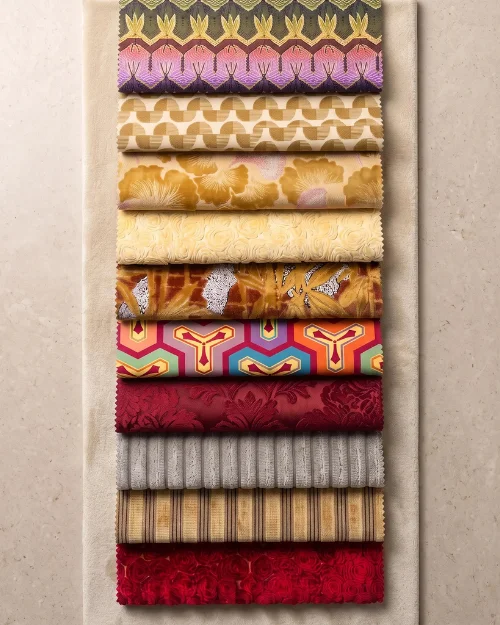
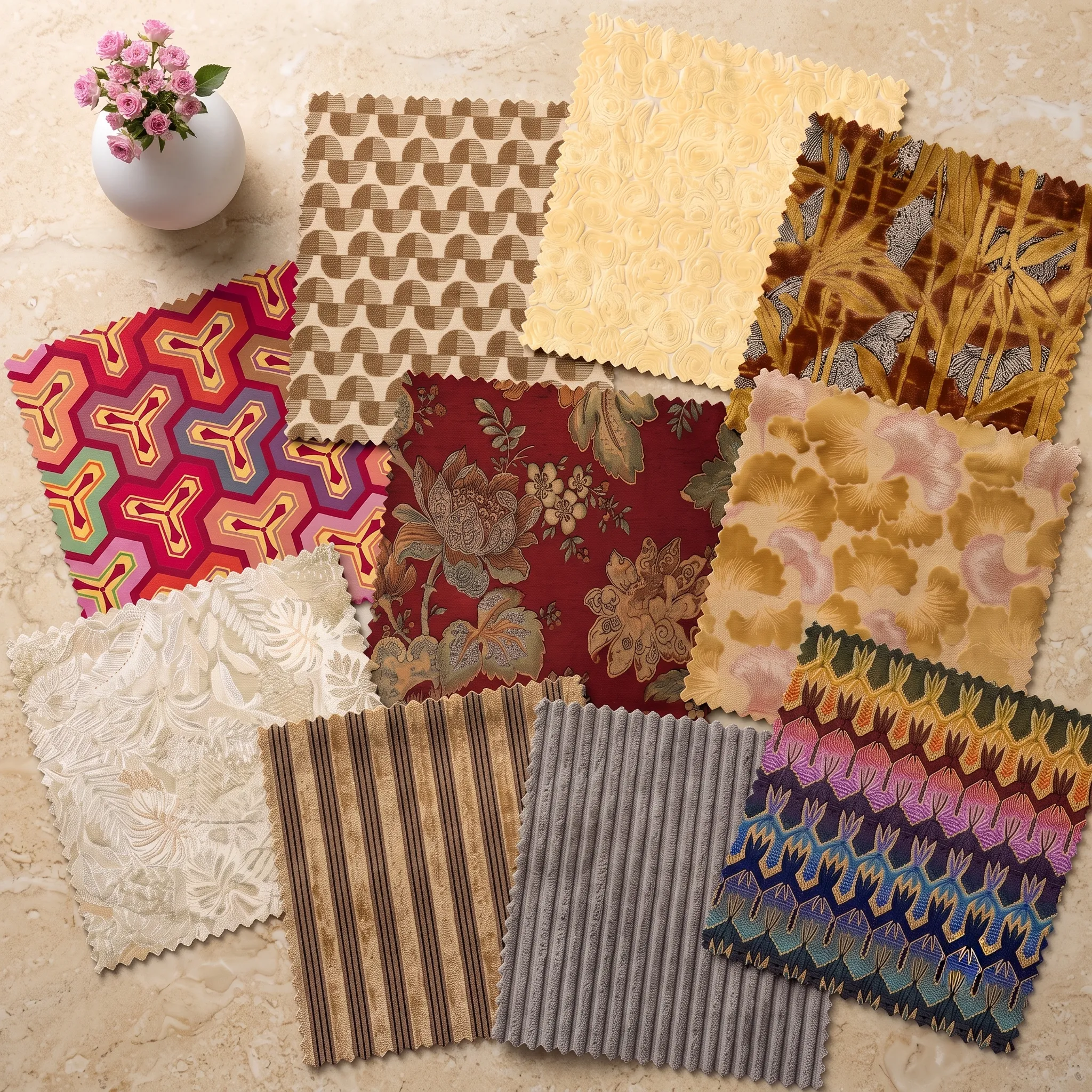
Get our complimentary Love-It Fabric Kit with 20 family-friendly swatches to make choosing stress free.
Leather sofas (can last 10 years or more)
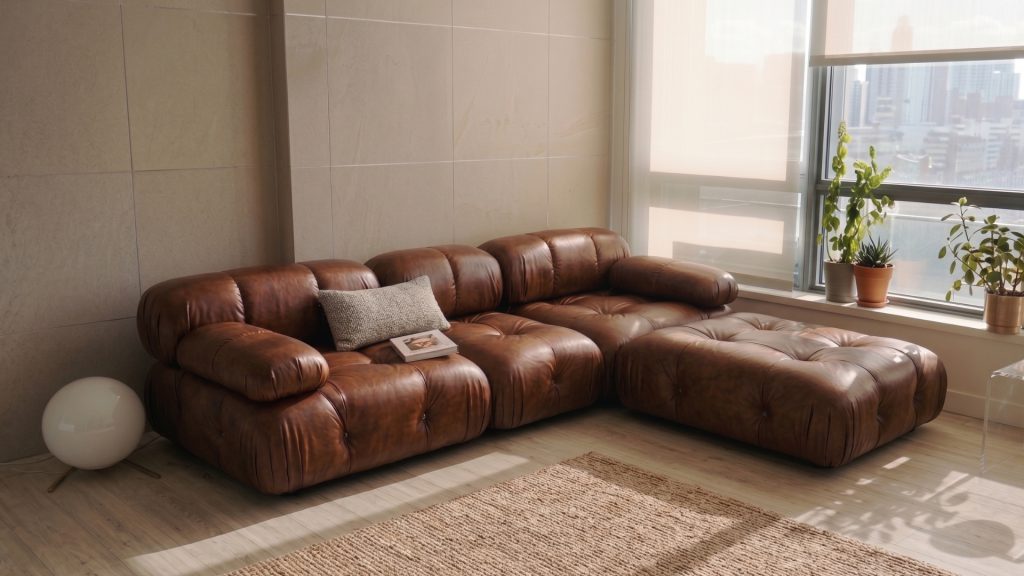
A well-made leather sofa can last a long time because quality leather is one of the few upholstery materials that can become more attractive with age.
Top-grain and full-grain leather can develop softness, depth, and character over time, especially when the sofa is properly cleaned and kept away from harsh sunlight, excessive heat, and very dry conditions.
Full-grain and top-grain leather usually sit at the longest end of the range because they come from the stronger outer layers of the hide. Vegetable-tanned leather, when the hide and sourcing support that claim, also belongs in this longer-lasting category. Instead of being treated with the chrome tanning methods used for much of the furniture market, vegetable-tanned leather is processed with plant-based tannins and is valued for the way it develops a rich patina over time. It will usually show marks, darkening, and natural variation more readily than a heavily protected leather, but for many people, that visible aging is the appeal.
Protected or performance leather may not show as much natural variation, but it can be a practical choice for families because the finish helps resist stains and everyday marks. Nubuck and aniline leather can feel beautiful and natural, but they usually need more care because they absorb spills and body oils more easily.
Bonded leather, faux leather, and some heavily coated materials have a much shorter life. They may look convincing at first, but once the surface begins to peel, crack, or separate, there is very little that can be done to restore it. That kind of wear is different from the patina that develops on quality leather.
A leather sofa with low-density cushions, weak suspension, or a light frame can become uncomfortable long before the leather itself wears out. When the leather is high-quality, and the construction underneath is built to the same standard, a leather sofa can easily move well beyond the ten-year mark and remain worth maintaining.
Sleeper sofas (usually last 5 to 10 years)
Sleeper sofas tend to have a shorter lifespan than standard sofas because they have to do two jobs inside one frame. They need to sit like a sofa during the day and open into a bed when needed, which means the frame, seat deck, hinges, mattress support, and folding mechanism all carry extra stress.
If the sofa uses thin foam, light upholstery, or a weak internal structure, the seats may begin to sag around the pull-out unit more quickly than on a standard sofa. A thin innerspring or low-density foam mattress can become uncomfortable quickly, especially if the sleeper is used to it often.
A sleeper used a few times a year for guests may last much longer than one used as both an everyday sofa and a regular bed. The more often the mechanism opens and closes, the more strain it puts on the frame and hardware. Over time, cheaper sleeper sofas may become harder to open, feel uneven as a bed, or start sagging through the seat cushions.
A well-built sleeper can still be a worthwhile piece, but it needs stronger construction than a standard sofa to last well. If the mattress mechanism is loose, the frame feels strained, or the seats have started to collapse around the pull-out unit, replacement may make more sense than repair.
Reclining sofas (usually last 5 to 10 years)
Reclining sofas carry more wear because they rely on moving parts. A fixed sofa only has to support sitting, while a reclining sofa has to support shifting weight, extend footrests, lock mechanisms, support hinges, motors, wiring, and withstand repeated movement over time.
Manual recliners depend on levers, springs, and metal hardware, while power recliners add motors and electrical components. Both can perform well when the frame and mechanism are built properly, but lower-cost versions often begin to show their age when the footrest stops closing cleanly, the seats no longer align, or the motor starts to struggle.
The upholstery material also needs to handle more friction than it would on a fixed sofa. Reclining seats move against clothing, arms, footrests, and mechanical seams, which can cause thinner fabrics, faux leather, and bonded leather to wear faster. Protected leather, performance fabric, and tightly woven upholstery usually make more sense for a reclining sofa because these materials have to withstand both sitting and movement.
The upholstery may still look acceptable when the reclining function begins to fail, which can make the decision frustrating. In some cases, a motor or mechanism can be repaired. In others, especially when the frame is light or the sofa was inexpensive to begin with, the repair cost may be difficult to justify.
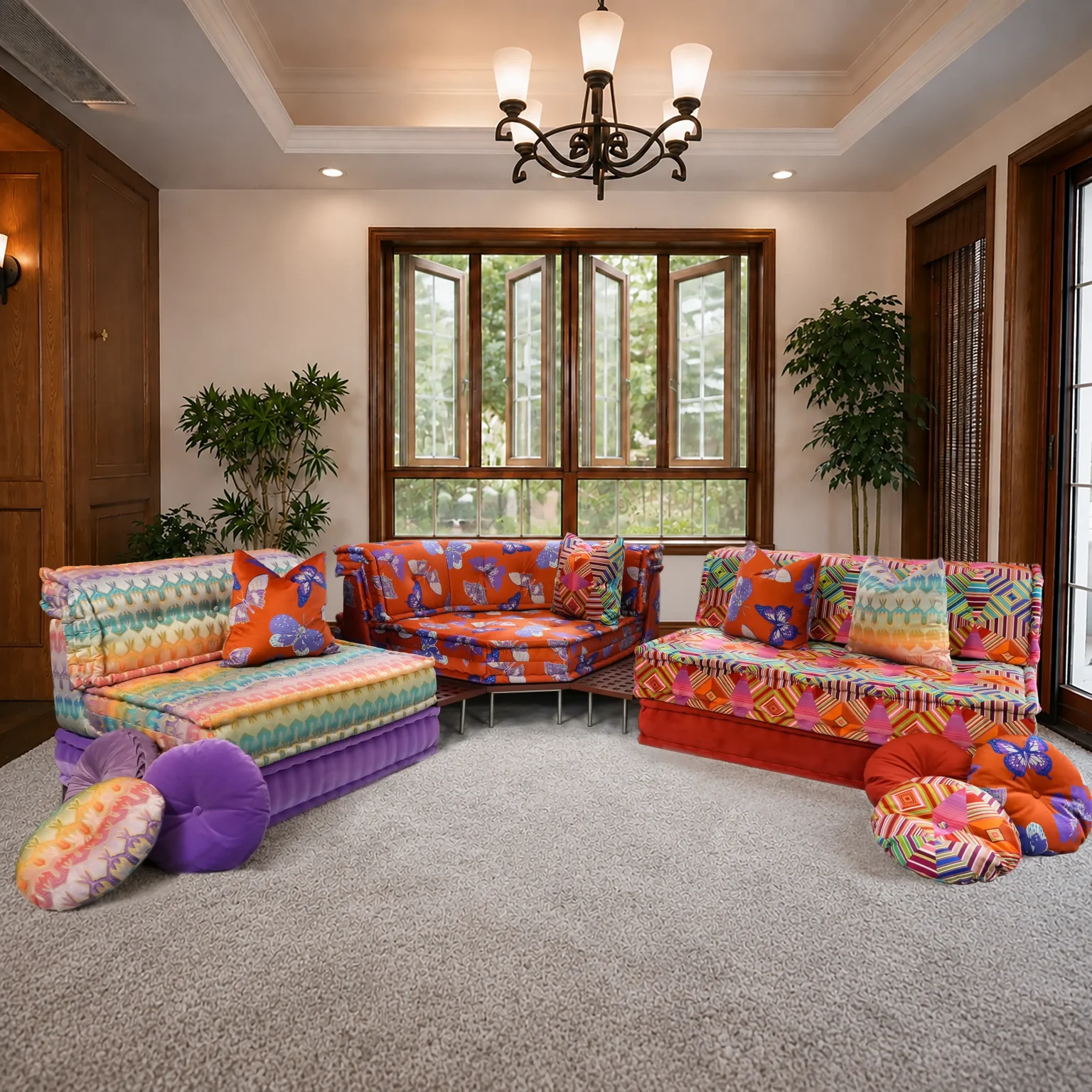
Modular and sectional sofas (usually last 7 to 15 years)

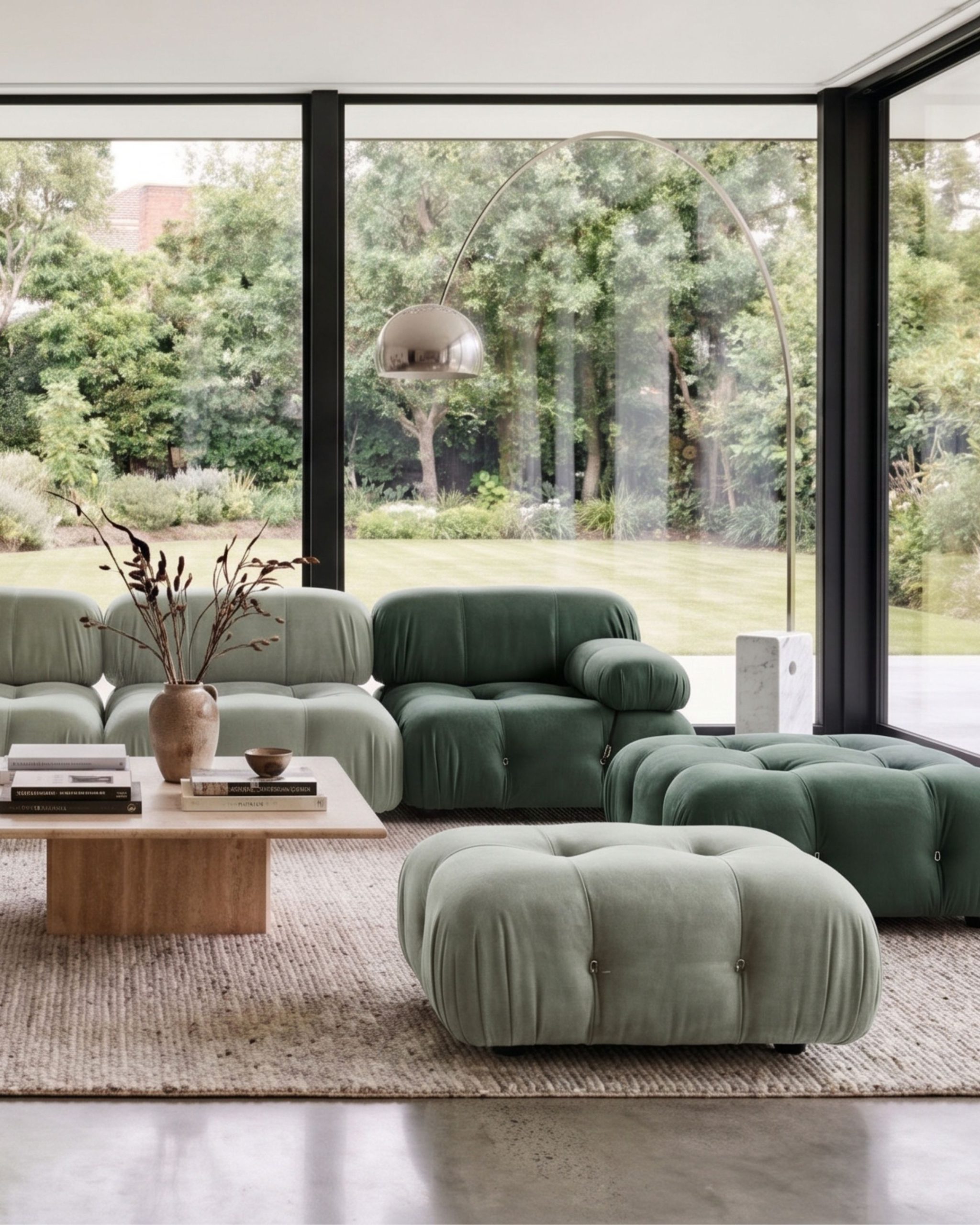
Sectionals and modular sofas often age based on use patterns rather than overall age. The chaise, corner seat, or favorite lounging spot may soften years before the rest of the sofa shows the same level of wear. One section can feel tired while another still looks almost new.
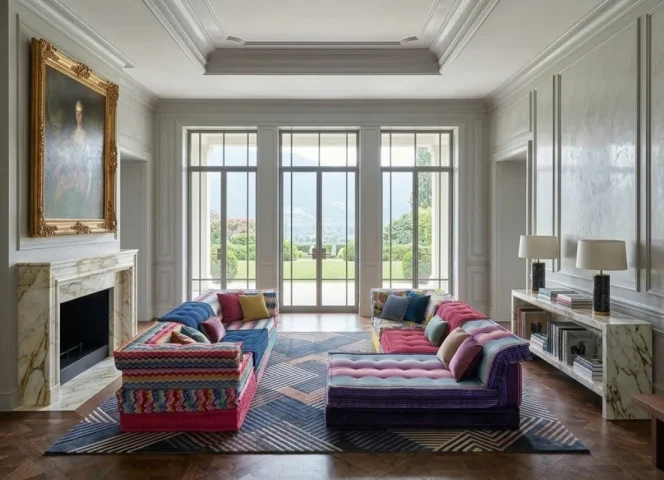
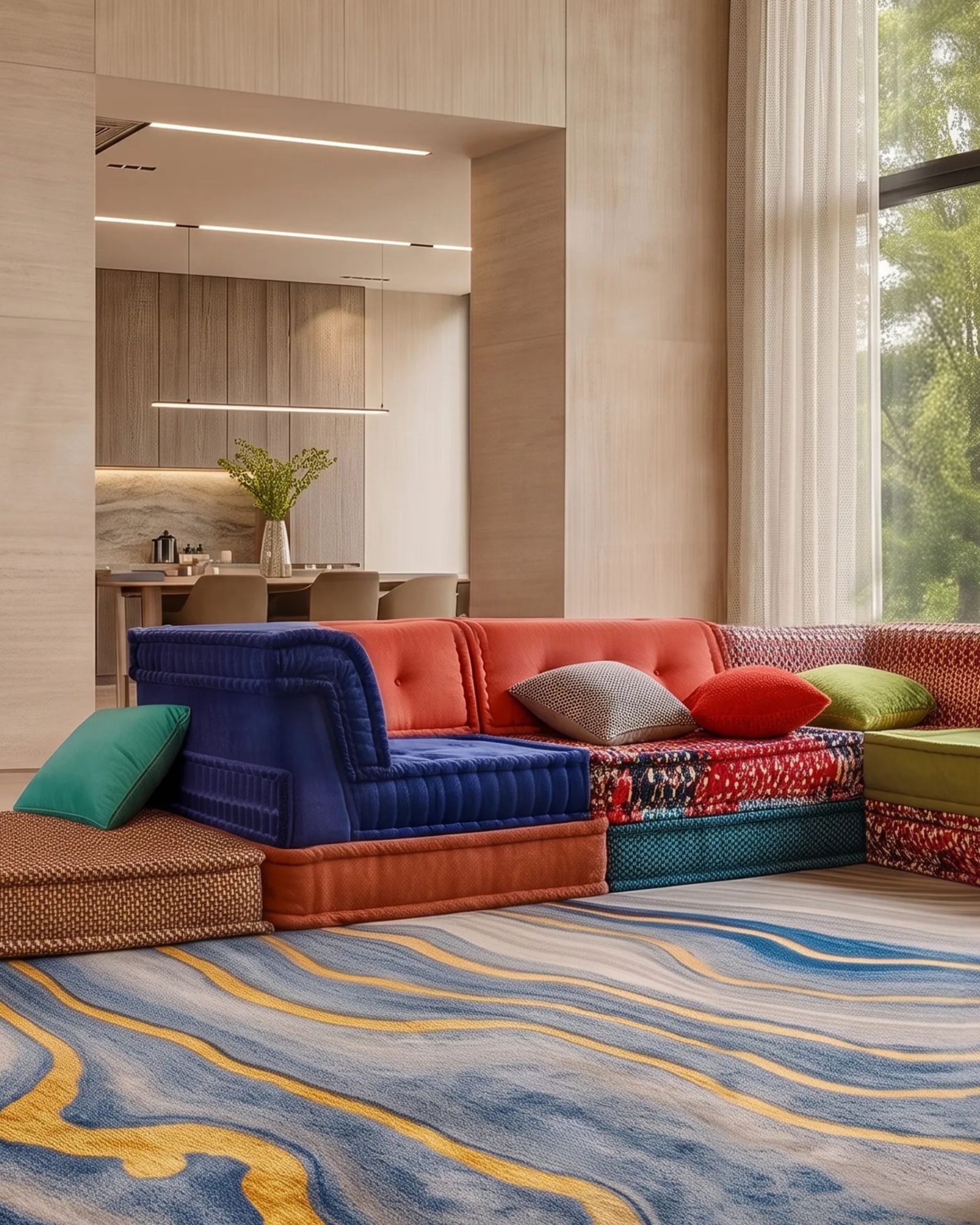
In many homes, the sectional is the piece that carries movie nights, guests, pets, children, naps, and everyday lounging, so delicate fabrics and low-density cushions can show wear quickly. Performance fabric, durable woven upholstery, protected leather, or a high-quality textured material will usually hold up better than a fabric chosen only for its color or softness.
A good sectional should stay aligned and feel stable when people sit, stretch out, and move across it. If the modules start separating, shifting, squeaking, or feeling loose early on, the problem usually comes from the frame, connector system, or the way the individual pieces are built.
A sectional can last a long time when the modules are sturdy, the cushions can be rotated, and the upholstery is chosen for the way the room is actually used.
Custom hardwood-frame sofas (can last 15 years or more)
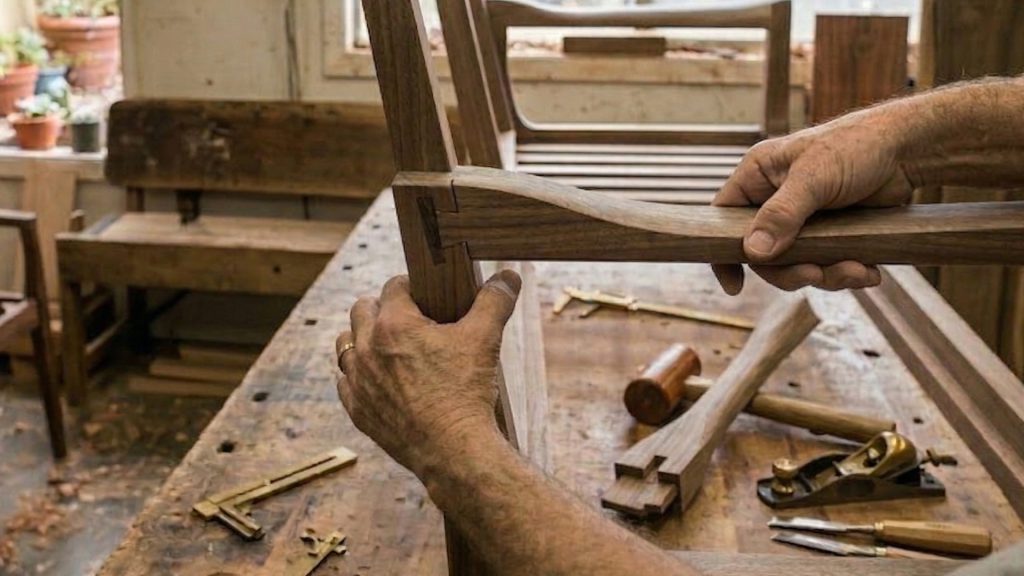
A custom hardwood-frame sofa belongs at the longest end of the lifespan range because it is usually built with better materials from the start. A kiln-dried hardwood frame, quality suspension, dense foam, and durable upholstery all help the sofa keep its shape, comfort, and support over time.
Instead of choosing from a limited set of preset options, a custom sofa can be upholstered in a fabric or leather that suits how the room will be used. The point is not only to choose a material that looks right, but one that will age well in the actual conditions of the home.
A well-built sofa is also worth maintaining when that wear eventually appears. For example, cushions can be refreshed, fabric or leather can be updated, and the piece can continue to serve the home because its underlying structure remains strong enough to support another chapter.
Signs It Is Time to Replace Your Sofa
Most sofas show their age in stages. The cushions may soften first, then the upholstery may begin to look worn, and eventually the frame or suspension may start to feel different when you sit down.
Looking at each of these signs separately can help you decide whether the sofa needs a small repair, a deeper restoration, or a full replacement.
The cushions no longer recover after you sit
Cushions are often the first part of a sofa to show daily wear because they take the most direct pressure. A good cushion will soften over time, but it should still have enough structure to return to its shape after you sit.
When the seat has a permanent dip, feels hollow in the middle, or needs constant fluffing to look presentable, the cushion fill is no longer supporting the sofa as it should.
Lower-density foam can feel comfortable when a sofa is new, but it tends to compress faster with regular use, especially in the seat that gets used most often. Higher-density foam, spring-down cushions, and well-built wrapped foam cores are more expensive because they are designed to hold their shape under repeated pressure rather than simply feel soft during the first few months.
Sagging cushions do not always mean the entire sofa needs to be replaced. If the frame is still strong, the suspension still feels even, and the upholstery is in good condition, new cushion inserts may be enough to bring the sofa back to life.
Replacing the sofa is a better choice when the cushions have flattened, the frame creaks, the fabric is worn through, or the sofa feels uneven from side to side.
The frame creaks, wobbles, or feels loose
You can change the upholstery on a sofa or replace the cushions, but a weak frame is much harder to justify repairing, since everything else depends on it. When a sofa creaks every time someone sits down, shifts when weight is applied across it, or feels loose in the arms and back, the underlying structure may be starting to fail.
A well-built sofa is usually made with a kiln-dried hardwood frame or a strong engineered hardwood frame, with reinforced joints so the piece stays square over years of use. Lower-cost sofas are more likely to use particleboard, MDF, soft plywood, staples, or lighter internal construction, which can loosen over time.
Particleboard also absorbs moisture from the air over time and weakens from the inside, which is one reason budget sofas can feel wobbly within a few years, even under careful use. Those materials help keep the price down at the beginning, but they rarely give the sofa the same repairable foundation later.
A strong frame should feel steady when you press on the arms or back, and it should not twist when one front corner is lifted slightly off the floor. If the sofa flexes, creaks, or feels as though the parts are moving independently from one another, reupholstering it will usually not solve the real problem.
The seat sags toward the middle, or you can feel the springs
If the seat still dips or feels uneven with the cushions removed, or sitting down feels like rolling toward the center of the sofa, the suspension underneath has stretched or given out, rather than the cushions on top of it.
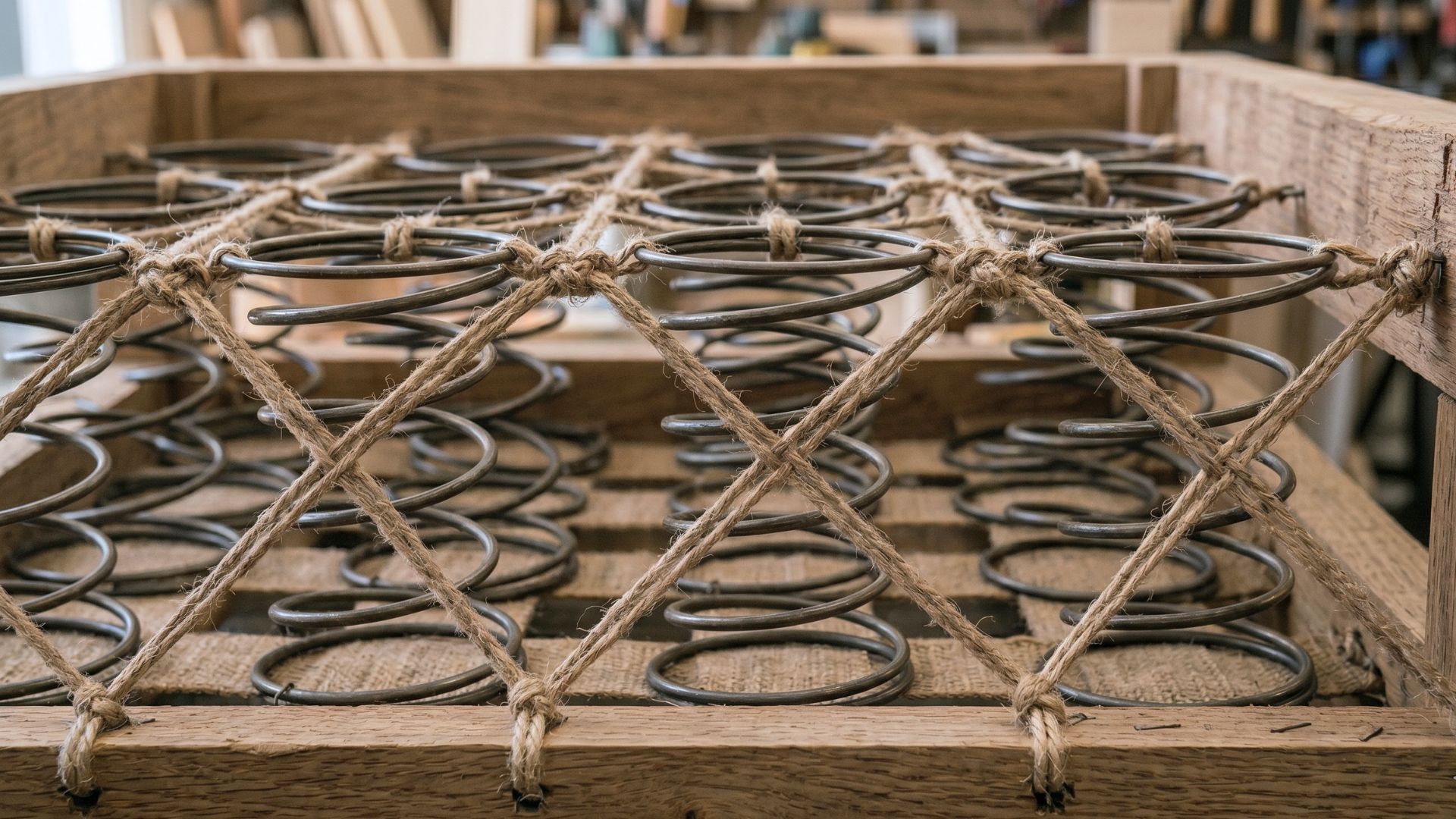
Most sofas use sinuous steel springs or woven webbing to support the seat. Sinuous springs lose tension gradually over time, while webbing tends to stretch faster and sag sooner.
A metallic squeak or clunk when someone sits down usually means a spring has broken loose and is rubbing against the frame. You may also feel a hard edge or a distinct low spot in one seat while the others still feel normal.
Suspension can be repaired, and on a sofa with a strong hardwood frame, it is often worth doing because the rest of the piece can carry on for years afterward. On a lower-cost sofa, the springs or webbing are usually anchored to material that is too weak to hold a proper repair, so the fix either fails again quickly or costs more than the sofa is worth.
The fabric or leather is worn beyond cleaning
Upholstery is meant to age, but there is a difference between normal wear and material failure.
On a fabric sofa, wear often appears first on the arms, seat cushions, and front edges because those areas get the most friction from hands, clothing, pets, and everyday use. You may see pilling that keeps returning, fading near a sunny window, thinning fabric on the favorite seat, or seams that have started to pull under tension.
A durable fabric with a higher abrasion rating or a performance finish will usually last longer in a busy living room, while a delicate weave may age quickly if it is used in a space that needs something more practical.
Leather ages differently depending on the grade and finish. Top-grain and full-grain leather can develop a patina that makes the sofa look richer over time, especially when the frame and cushions are built well enough to last.
Peeling, flaking, or cracking is a different issue and is more common with bonded leather, faux leather, or heavily coated materials that cannot be restored in the same way as quality leather.
If the upholstery is failing but the frame is excellent, reupholstery may be worth considering, but if the upholstery, cushions, and frame are all failing together, the sofa has likely reached the end of its useful life.
The sofa holds odors that do not come out
Food, spills, pets, smoke, humidity, body oils, and years of regular use can settle into the upholstery, padding, and cushion cores. Odor alone does not always mean the sofa needs to be replaced, but it becomes a stronger sign when it appears alongside staining, cushion breakdown, or moisture damage.
Regular vacuuming and professional cleaning can help when the odor is close to the surface, but once smells have moved deeper into the foam or batting, cleaning the outside of the sofa may only improve the problem temporarily.
Leather is usually less absorbent on the surface, particularly when it has a protective finish, but leather sofas can still trap odors in seams, padding, and materials beneath the cushions.
A sofa that smells musty, smoky, sour, or stale after repeated cleaning may no longer be a good fit for the room, even if it still looks acceptable from a distance. Old foam and batting also collect dust mites and allergens over the years, which is worth taking seriously if anyone in the household has allergies or asthma.
A sofa should make a room feel comfortable and inviting, and once the piece’s smell starts affecting the whole space, replacement may be the cleanest and most realistic solution.
The sofa no longer feels comfortable or supportive
A sofa can still look fine even if it no longer supports the body well. This is one of the easiest signs to ignore because the change often happens gradually. You may start sitting somewhere else without thinking, add extra pillows every time you use the sofa, or stand up with stiffness in your back, hips, or legs after sitting for a while.
A sofa that is too deep may force you to slouch unless you use pillows behind your back, while a sofa that is too low can make standing up harder. A seat that has lost support may feel cozy for a few minutes, but tiring after an hour because your body is sinking instead of being held.
When discomfort comes from worn cushions, replacement inserts may solve the problem if the rest of the sofa is still in good condition. When the issue stems from the sofa’s proportions, or when the suspension and frame have also softened, replacing the piece usually makes more sense.
A sofa should fit the way you actually sit, lounge, read, work, and gather, not just the measurements of the room.
The sofa no longer fits the way you live
A sofa that worked in a first apartment may feel too small in a larger living room, while a formal sofa that once looked beautiful may not make sense once children, pets, guests, and everyday lounging become part of the space.
You may move to a home with different proportions, add a television, open the room for entertaining, or need a sectional where a standard sofa used to be enough. In other cases, the issue is the material.
A delicate fabric may become a source of stress in a high-traffic family room, a light color may no longer feel practical, or a low, deep seat may not work for someone who needs more support.
These are valid reasons to replace a sofa because comfort and function matter as much as age.
When the size, material, layout, or comfort level keeps making the room harder to use, replacing it can make the entire space feel more natural again.
Build a Custom Sofa That Lasts with Adorn Croft
If your sofa is showing several of the signs above at once, replacing it is usually the better investment than patching one problem while the others catch up.
At Adorn Croft, we build custom sofas from the frame outward. We start every piece with a kiln-dried hardwood frame, a quality suspension, and high-density cushioning, then finish it with the fabric or leather that fits how your household actually lives. That construction is why a well-built custom sofa sits at the far end of the lifespan range, and it is also what keeps your options open later.
We design each sofa around your room, your proportions, and your daily use, whether that means a deep sectional for a busy family room or a tailored piece for a formal space.
If you are ready to replace a sofa that has reached the end of its life, get in touch to start designing a piece built to stay in your home for the next twenty years.
We help turn your ideas into a sofa you can see and feel confident about.
Book a Free Design CallAuthor bio

Beautiful homes start with great ideas.
Get curated ideas on materials, finishes, and styles for your home