A good leather sofa should feel comfortable, hold its shape over time, and develop the kind of character that makes a room feel warmer and more lived in. But when you start comparing prices and checking labels from different brands, the price range can be hard to make sense of.
At Adorn Croft, we have been building custom leather sofas in our own workshop for the last several years, which means we purchase the hides, construct the frames, select the cushion materials, and see exactly where the money goes in a finished piece. That has taught us that the cost of a leather sofa is not just about the leather itself, but also about the quality of the frame, the density of the foam, the stitching, the tailoring, and the time it takes to build something properly.
In general, a well-made leather sofa should cost enough to reflect real materials and skilled workmanship, not just a stylish shape. In this guide, we’ll break down what you can expect to pay for a good leather sofa at different quality levels, and how to tell when a leather sofa is truly high-quality.
Types of Leather and What Each Should Cost
The type of leather on a sofa is one of the clearest factors behind its price, and it is also where product labels can create the most confusion. Terms like “genuine leather,” “bonded leather,” and “leather match” can describe very different materials with very different lifespans.
In our workshop, we see the difference before the sofa is ever upholstered. Some hides have the strength, surface quality, and natural character to be used across a full sofa, while other materials are made to imitate that look at a lower cost. That difference affects not only what the sofa costs on day one, but also how it wears after years of sitting, stretching, cleaning, and everyday use.
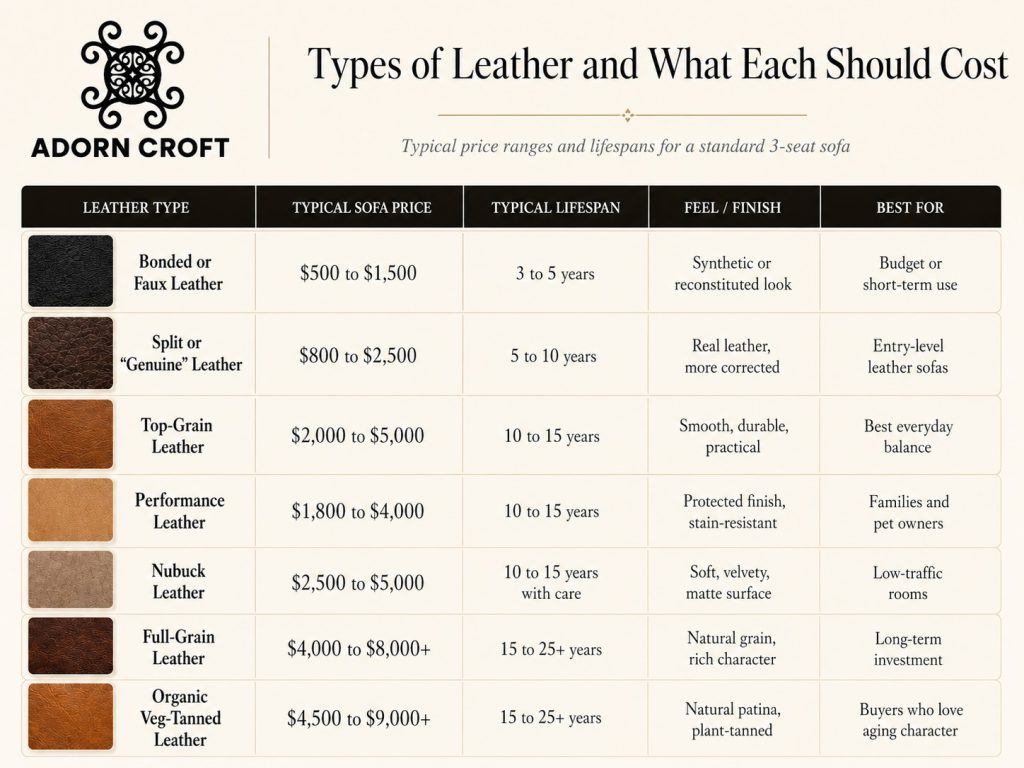
Bonded and faux leather ($500 to $1,500)

Bonded and faux leather are the lowest-cost options and the easiest to mistake for real leather at a glance.
Faux leather is a synthetic material made to look like leather. Bonded leather contains leather fibers or scraps that are combined with binders and formed into a sheet, then finished with a leather-like surface.
It may contain some real leather, but it is not the same as a full hide. The Electronic Code of Federal Regulations treats bonded, shredded, reconstituted, and similar leather-content materials differently from leather made wholly from animal hide and requires that the percentages of leather fibers and non-leather substances be disclosed when terms such as “bonded leather” are used.
Many bonded leather sofas look convincing in a showroom or in an online photo, but the surface is the first thing to wear out. Once the coating begins to peel, crack, or flake, there is very little that can be done to restore it. Unlike real leather, it also does not develop a rich patina over time.
If a new “leather” sofa is labeled as bonded leather, bicast leather, PU leather, vegan leather, leatherette, or another synthetic material, it should not be priced or judged like a long-term leather sofa.
Split and “genuine” leather ($800 to $2,500)

The term “genuine leather” is one of the most misunderstood phrases in furniture shopping. It sounds like a mark of quality, but in practice, it often means only that the material contains real leather, and not necessarily from the strongest or most desirable part of the hide.
Split leather comes from the lower layers of the hide after the top grain has been separated. Full-grain leather, by contrast, keeps the entire grain surface intact.
Split leather can be coated, embossed, and finished to resemble higher-grade leather. It is real leather and will usually outlast bonded or synthetic materials, but it does not have the same dense fiber structure as top-grain or full-grain leather. It can feel stiffer, wear faster, and look less natural as it ages.
This is also the range where you often see “leather match.” That usually means real leather is used on the parts you touch most, such as the seat cushions and inside back, while vinyl or other synthetic materials are used on the outer arms, sides, or back. A leather match should cost less than a sofa upholstered in the same leather all the way around.
Top-grain leather ($2,000 to $5,000)
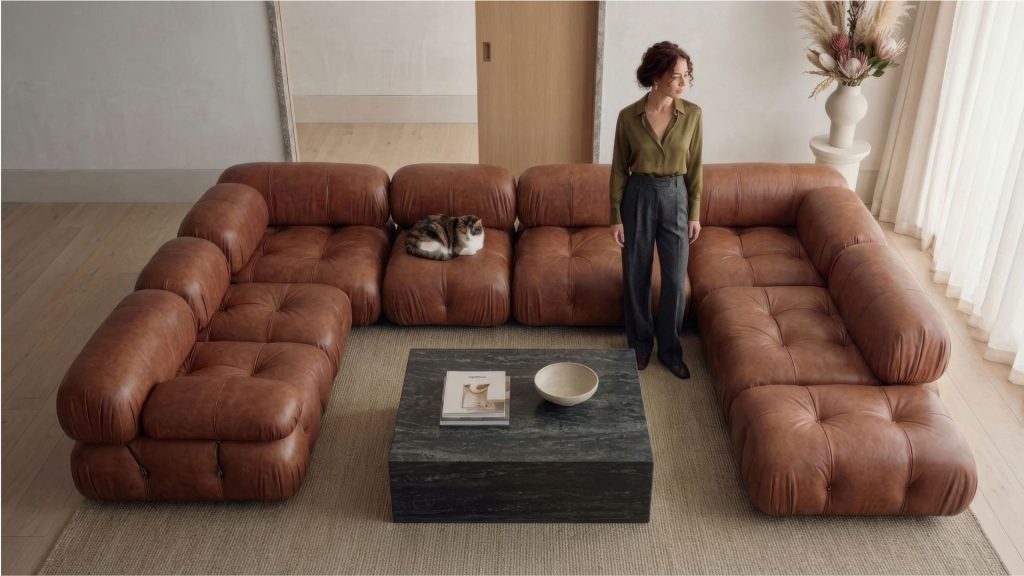
Top-grain leather is the most common choice for a good-quality leather sofa. It comes from the upper layer of the hide, but the surface is lightly sanded or corrected to remove imperfections and create a more consistent finish.
For many homes, top-grain leather is the practical middle-of-the-market option. It is real, durable, and easier to live with than very delicate natural leathers. The finish can make it more resistant to everyday stains, fading, and surface variation, which is helpful in busy living rooms, family rooms, and homes with children or pets.
Two sofas labeled “top-grain leather” can still feel very different after five years. One may have a light frame, thin foam, and minimal tailoring, while another may have a stronger hardwood frame, better suspension, higher-density cushions, and cleaner upholstery work.
At the lower end, you may be paying mostly for the leather look. At the higher end, you should also be getting a better structure underneath.
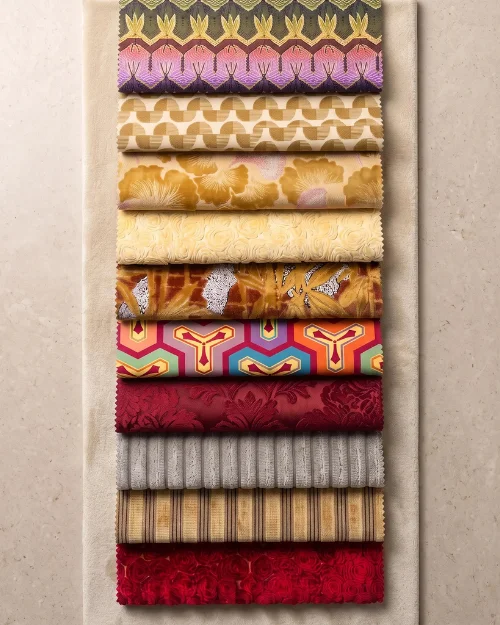
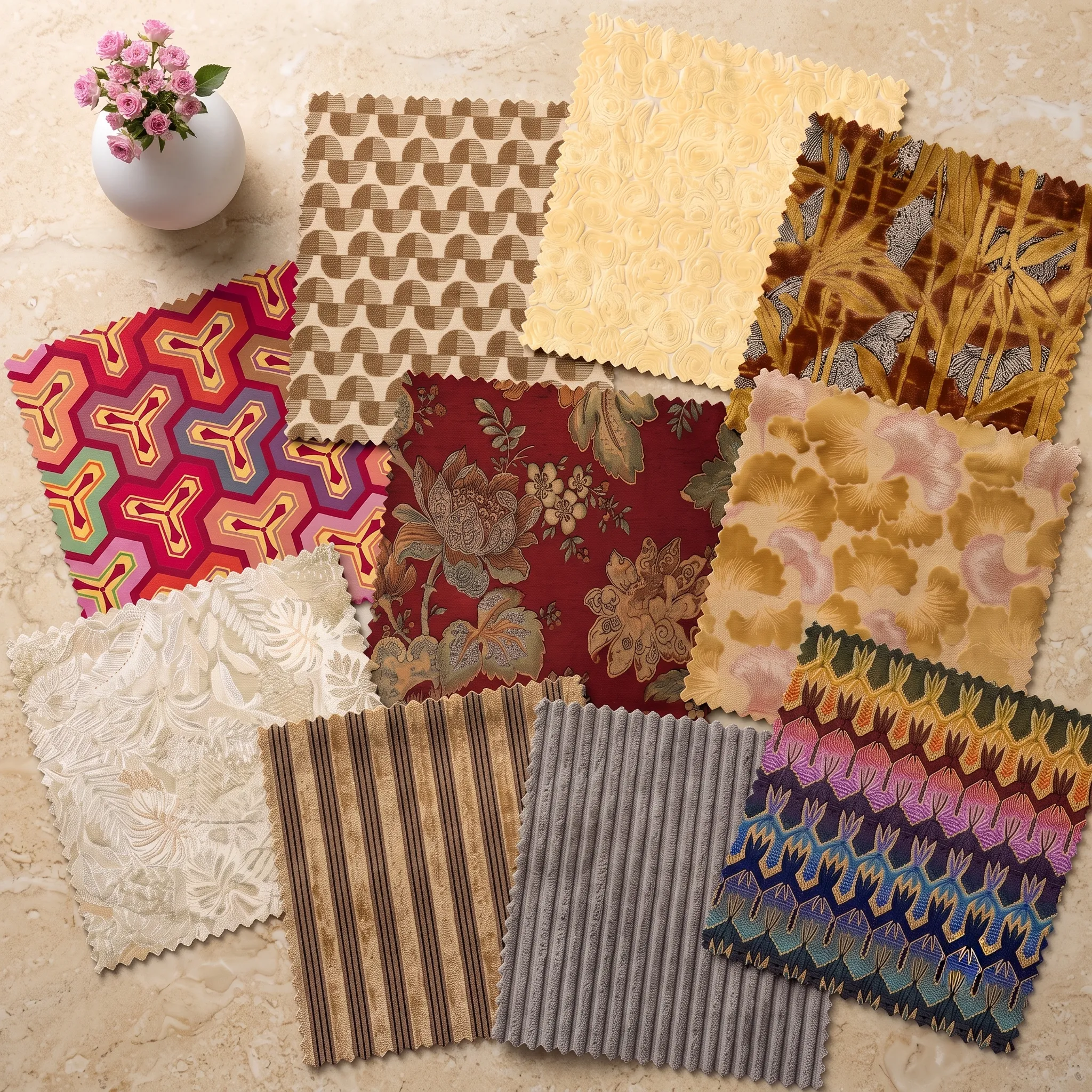
Get our complimentary Love-It Fabric Kit with 20 family-friendly swatches to make choosing stress free.
Performance leather ($1,800 to $4,000)
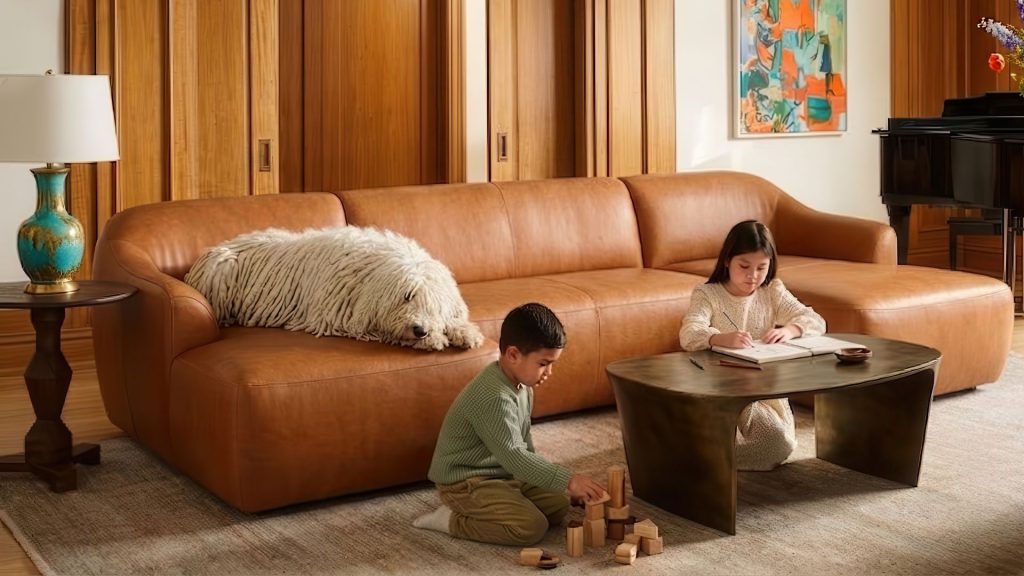
Performance leather is a marketing term rather than a distinct leather grade. In most cases, it refers to leather with a pigmented or protective finish designed to resist stains, scratches, fading, and everyday wear.
Brands that sell to families, pet owners, and high-traffic households often use this term because it speaks directly to how people want the sofa to live.
The material behind performance leather can be legitimate, especially when it is a protected top-grain leather. The finish adds durability and makes the sofa easier to clean, which can be a real advantage in a main living room.
Performance leather may not feel as soft, open, or natural as lightly finished leather. It can also look more uniform, because the protective coating reduces some of the variation and character you see in full-grain or aniline leather.
When you see “performance leather” on a label, the most important question is which grade of leather lies beneath the finish. If it has a protected top-grain hide, it can be worth this price range, but if it’s heavily coated split leather, it should cost less.
Nubuck leather ($2,500 to $5,000)
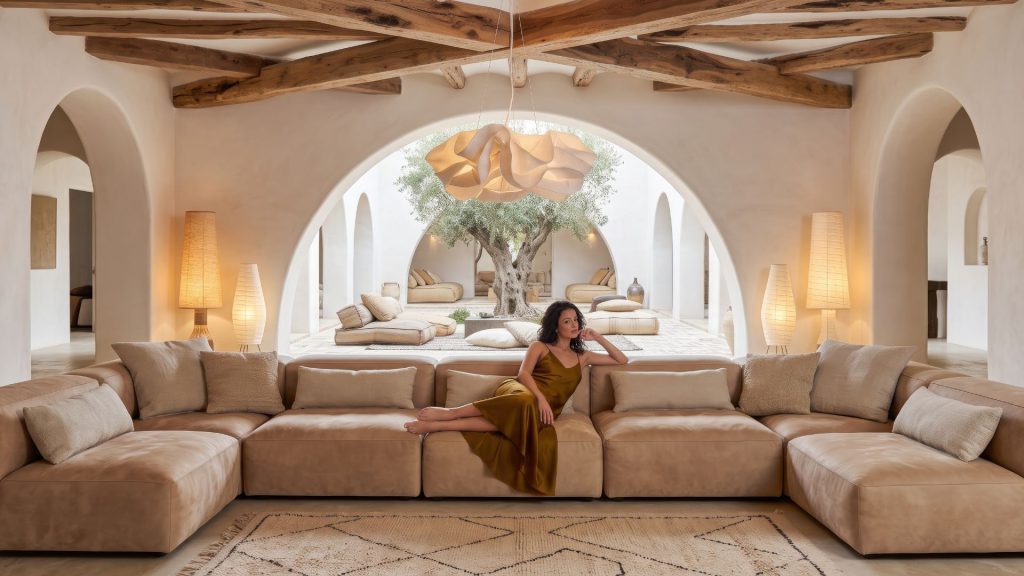
Nubuck is a specialty leather with a soft, velvety surface. It is usually made from top-grain leather that has been sanded or buffed on the grain side to create a texture similar to suede, but with greater strength because it comes from the outer side of the hide.
Nubuck feels beautiful and looks distinctive. It has a relaxed, matte appearance that can make a sofa feel warmer and less formal than smooth leather, but it is also more sensitive than protected leather. The open surface can more easily absorb spills, body oils, and everyday marks, and it tends to show scuffs, water spots, and changes in texture.
For that reason, nubuck is best for lower-traffic spaces or for homeowners who enjoy the maintenance that comes with a more delicate material. It is not usually the first leather we would recommend for a primary family sofa, especially in a home with young children, pets, or frequent entertaining.
Suede is close, but it is typically cut from the underside of the hide and is softer and more delicate still. For most homes, suede is better suited to accent pieces than to a main everyday sofa.
Full-grain leather ($4,000 to $8,000 and up)

Full-grain leather is the most natural and least corrected form of leather used on sofas. It preserves the hide’s full grain surface, including the subtle markings, variations, and character of the original material.
Because the surface is not sanded away to hide imperfections, full-grain leather requires better hides from the beginning, which is why it costs more. The material feels richer, lasts longer, and develops depth over time rather than simply looking worn out.
Many premium full-grain sofas use aniline or semi-aniline finishes. Aniline leather shows the most natural grain and feels soft and open, but it is more absorbent and needs more care. Semi-aniline leather adds a light protective finish, which makes it more practical for everyday use while still allowing the natural grain to show.
A full-grain leather sofa is for someone who wants the leather to change beautifully with age. It will not look perfectly uniform forever, and that is part of the point. Scratches, oils, sunlight, and use all become part of the surface over time.
When the frame and cushions are built to the same level as the leather, a sofa starts to become a long-term piece rather than something you expect to replace.
Organic vegetable-tanned leather ($4,500 to $9,000 and up)
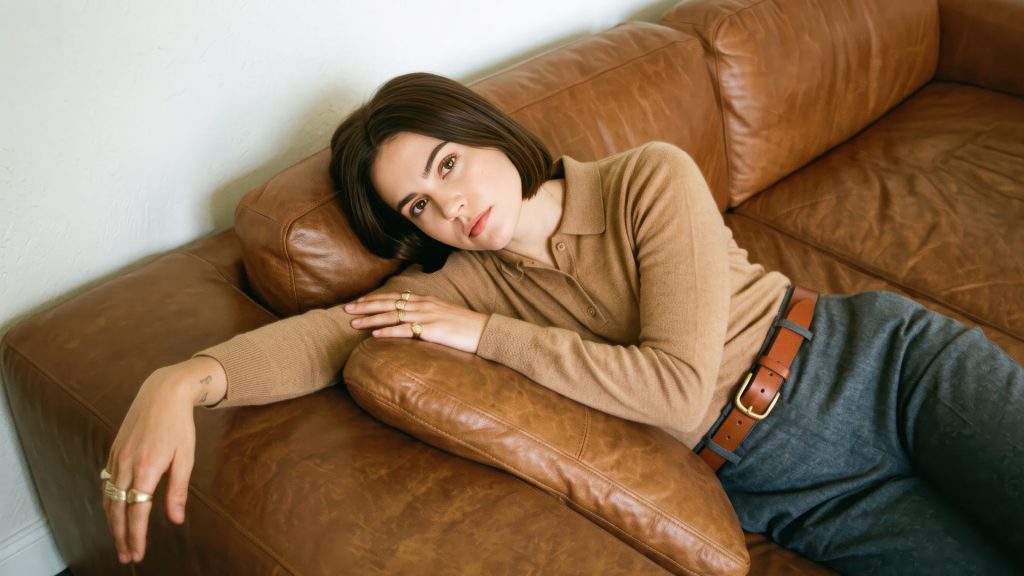
Organic vegetable-tanned leather sits at the premium end of the leather sofa market, but it is important to understand what the term means. It is not a separate leather grade, unlike split, top-grain, and full-grain. Instead, it describes how the hide is tanned and, in some cases, how the hide is sourced.
Vegetable tanning uses tannins from plant sources rather than the chrome tanning methods used for much of the furniture leather market. When the leather is described as organic, the maker or supplier should be able to explain what supports that claim, whether it relates to the hide, the tanning process, the dyes, the finishing materials, or a specific certification.
On a sofa, organic vegetable-tanned leather is usually chosen for its natural feel and the way it ages. It develops a deeper patina over time as sunlight, touch, body oils, and daily use gradually change the surface. For the right buyer, that is the appeal. The sofa does not stay perfectly uniform. It becomes richer, darker, softer, and more personal with age.
The tradeoff is that vegetable-tanned leather is usually more sensitive than protected or performance leather. It can mark, darken, scratch, and absorb spills more easily, especially when it has a lighter or more natural finish. That does not make it less valuable, but it does mean it is best for someone who appreciates visible aging and is willing to care for the material properly.
In general, expect this category to start around $4,500 and range up to $9,000+, depending on the sofa’s size, the grade of hide, the frame construction, the cushion quality, and whether the piece is custom.
When the hide is high quality, and the construction underneath is built to the same standard, organic vegetable-tanned leather can be a beautiful long-term choice. It is not the best option for someone who wants a perfectly consistent surface or the lowest-maintenance family sofa, but it is one of the most character-rich choices for a sofa that is meant to age naturally over many years.
Custom and bespoke full-grain leather ($7,000 to $15,000 and up)

At the top of the market, the cost exceeds the cost of the hide alone. A custom or bespoke leather sofa reflects the size of the piece, the number of hides required, the amount of material waste during cutting, the frame construction, cushion choices, stitching details, and the time it takes to build the sofa properly.
When we build a custom leather sofa, we are not just ordering a finished piece from a catalog. We are selecting hides, planning cuts around natural markings, building the frame, choosing cushion materials, and tailoring the upholstery to the piece’s exact dimensions. Larger sofas and sectionals cost more because they require more leather, more frame material, more cushion fill, and more labor from start to finish.
An expensive leather sofa is worth it if the cost goes into premium hides, a strong frame, comfortable cushions, careful tailoring, and a size that truly fits your home. But a high price alone does not guarantee better quality. At this level, some of the cost may come from a designer’s name or brand markup rather than better materials.
The best way to judge a custom leather sofa is to ask where the money is going. If the answer is specific: full-grain hides, kiln-dried hardwood frame, upgraded cushion fill, hand-finished details, and custom dimensions, the price is easier to understand and justify.
How to Tell If a Leather Sofa Is High-Quality
A sofa can be covered in beautiful top-grain or full-grain leather and still lose its shape early if the frame is weak, the suspension is poorly made, or the cushions are filled with low-density foam.
Here are a few ways you can tell if a leather sofa is well-built or not:
Start with the frame
A high-quality leather sofa should be built on a strong frame. The best frames are usually made from kiln-dried hardwood, such as oak, maple, beech, or ash. Kiln drying removes excess moisture from the wood, which helps prevent the frame from warping, cracking, or shifting as it ages.
Lower-cost sofas often use particleboard, MDF, soft plywood, or lighter framing materials held together with staples and glue. Those frames may look fine when the sofa is new, but they are more likely to loosen, creak, or flex over time.
Lift one front corner of the sofa a few inches off the floor. If the opposite front leg rises with it, the frame is staying square. If the opposite leg stays planted on the floor while the frame twists, it may indicate weaker construction.
You can also press firmly on the arms and back. A well-built sofa should feel rigid and stable. It should not wobble, shift, or creak under pressure.
For online shopping, look at the product specifications. A manufacturer that uses a kiln-dried hardwood frame will usually say so. If the listing says very little about the frame, that silence is worth noticing.
Check the suspension under the cushions
The suspension is the support system between the frame and the seat cushions. It affects how the sofa feels when you sit down and how well it resists sagging over time.
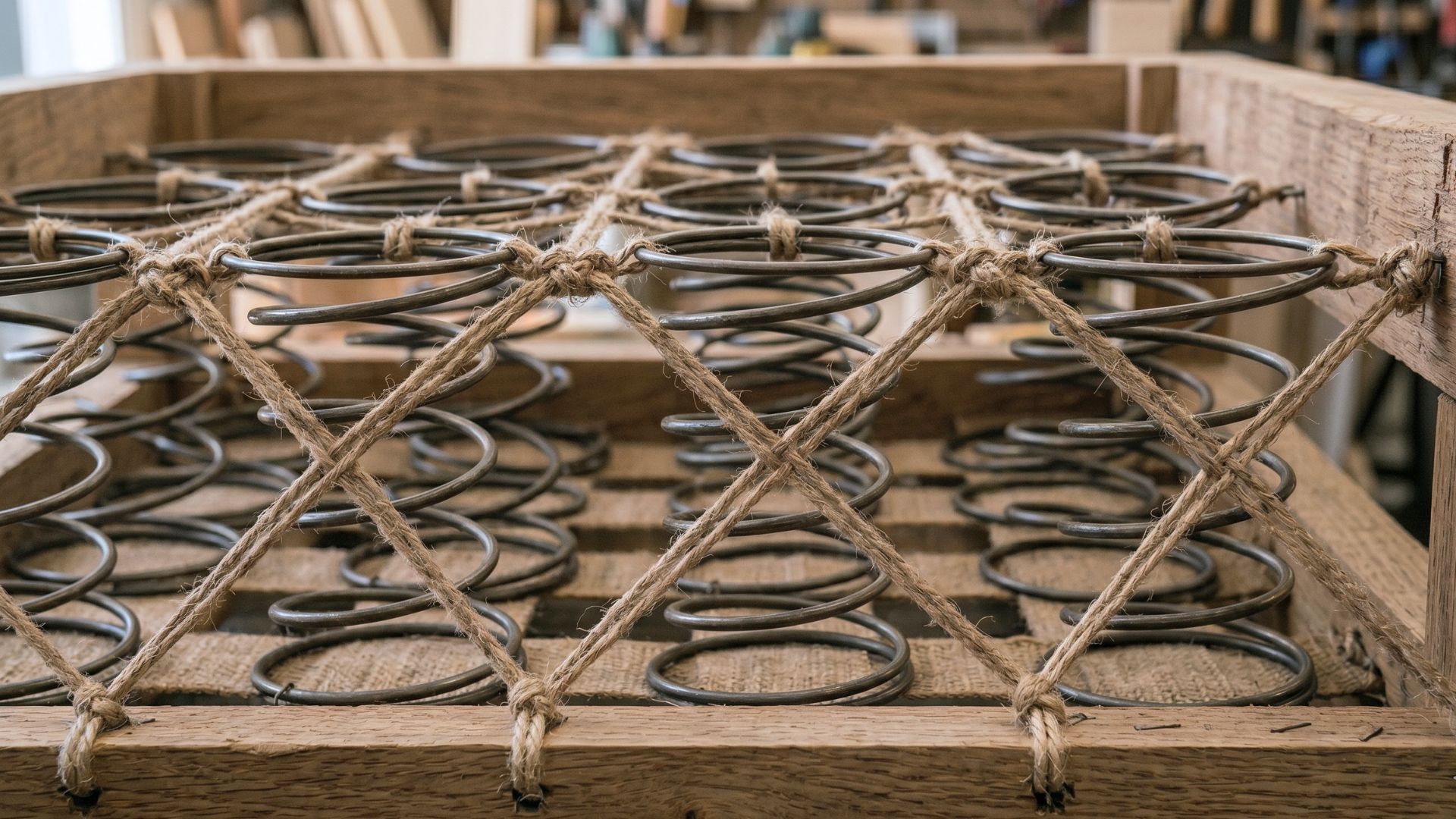
Eight-way hand-tied springs are often considered a traditional premium option because each coil is tied by hand in multiple directions. This method takes more labor and is usually found in higher-end sofas. Sinuous springs, which are S-shaped steel wires, are also common in well-made sofas and can perform very well when the steel is strong and the rows are closely spaced.
Basic elastic webbing is usually the lower-cost option. Some modern sofas use webbing successfully, but if the webbing is thin or loosely installed, it can stretch out and lose support more quickly.
To test the suspension, remove a seat cushion if possible, then press down on the deck beneath. Good suspension should feel firm, even, and responsive. It should spring back rather than letting your hand sink deep into the frame.
Also, sit in different spots across the sofa. The support should feel consistent from one cushion to the next. If the middle already feels soft, bouncy, or uneven when the sofa is new, that is not a good sign.
Press the cushions and see how they recover
Cushions are one of the first places a cheaper sofa starts to show wear. A quality leather sofa should feel comfortable, but it should also have structure. If the cushions feel flat, vague, or overly soft from the beginning, they may not hold up well with daily use.
Many good sofas use high-density foam, often wrapped in fiber, down, or a down alternative for softness. Some higher-end cushions use spring-down construction, where a pocketed spring unit is built into the cushion for added support and shape retention.
A simple test is to press your palm firmly into the seat cushion and then let go. A good cushion should push back and return to shape quickly. Then sit in the same spot for a few minutes and stand up. The impression from your body should soften or disappear rather than staying deeply compressed.
Very soft cushions can feel appealing in a showroom, but comfort without support usually does not hold up over time. For a main living room sofa, you want a cushion that feels comfortable and substantial.
Look closely at the stitching and tailoring
Leather is less forgiving than fabric, so rushed upholstery work is easier to spot if you know what to look for.
On a well-made leather sofa, the seams should run straight, the stitches should be even, and the leather should be pulled smoothly across the frame. Corners should look clean, not puckered or wrinkled. Piping, topstitching, and seams should be consistent across the sofa, including the arms, cushions, and back.
The leather panels should also look thoughtfully matched. Natural variation is normal, especially with full-grain leather, but the main seating areas should feel balanced. Large shifts in color, grain, or texture across adjoining panels may mean the maker used lower-grade pieces or did not take the time to plan the cuts carefully.
Check whether the sofa is leather all the way around
A high-quality leather sofa should be clear about where leather is being used. Some sofas use real leather only on the seating surfaces, such as the seat cushions, inside arms, and inside back. The outer arms and back may be made of vinyl or another synthetic material. This is often called “leather match.”
A leather match is not always a bad choice, but it should cost less than a sofa upholstered in the same leather all the way around. The problem is when the label simply says “leather sofa” without explaining which panels are leather and which are not.
Before buying, ask: Is this full leather, or leather match? Are the sides and back the same material as the seats? Is the leather top-grain, full-grain, split, or bonded?
Read the warranty carefully
A warranty can tell you a lot about how much confidence the maker has in the sofa, but only if you read what it actually covers.
A strong warranty on the frame and suspension is a good sign because those are the parts that should last the longest. A short blanket warranty on a higher-priced sofa can be a warning sign, especially if it only covers defects for a year and excludes the parts most likely to wear.
Pay attention to the details. Does the warranty cover the frame? The springs or suspension? Cushion collapse? Seam failure? Leather peeling or cracking?
Normal softening and natural leather variation are often excluded, which is expected, but the major construction components should be clearly addressed.
Ask the maker to explain the price
One of the clearest signs of a high-quality leather sofa is transparency. If a sofa is well-made, the people behind it should be able to explain specifics such as top-grain or full-grain leather, a kiln-dried hardwood frame, high-density cushions, reinforced joints, quality suspension, carefully matched panels, custom dimensions, or hand-finished details.
A high price does not automatically mean high quality. But when the price reflects better leather, stronger construction, supportive cushions, and careful tailoring, you should be able to see and feel the difference.
Build Custom Leather Sofas With Adorn Croft
Adorn Croft is a custom sofa atelier based in California. We build sofas around the room, the client, and the way the piece will actually be used.
Instead of asking you to choose the closest match from a preset catalog, we start by understanding what you need: the size of your space, how you sit, the comfort you prefer, the leather you love, and the kind of daily life the sofa needs to withstand.
If you are spending several thousand dollars on one piece of furniture, you should be able to understand what you are paying for: the leather, the frame, the cushion construction, the suspension, the tailoring, and the time it takes to build the sofa properly. That is the way we approach every piece at Adorn Croft.
From there, we build the sofa around you.
Custom leather sofas built around your space
Most ready-made sofas are built to a fixed set of dimensions. That can work well when the size, depth, arm style, cushion feel, and configuration already fit your room. But many homes need something more specific.
Maybe your living room is long and narrow. Maybe you want a deeper seat because you like to lounge. Maybe you need a higher back, a slimmer arm, a longer chaise, or an exact overall length to fit between a wall and a window. Maybe you already found a sofa you love, but the dimensions, leather, or comfort level are not quite right.
At Adorn Croft, those details are part of the design process, not limitations.
You can send us a sketch, a reference image, or a photo of a sofa you saw elsewhere, and we will build toward that idea. The process begins with a free design consultation, followed by a free 2D rendering of your exact piece, or a 3D rendering for a small fee, so you can review the design before anything goes into production.
That matters most for buyers who keep finding sofas that are almost right. With a custom build, the depth, arm profile, back height, cushion firmness, leather, stitching, leg style, and configuration can all be discussed before the piece is made.
What Adorn Croft leather sofas typically cost
We are not going to pretend that a custom leather sofa is the cheapest option, because it is not.
Most Adorn Croft’s custom sofas fall between $3,000 and $10,000, with individual modules starting around $940. Leather pieces can vary within or above that range depending on the sofa size, the leather selected, the number of hides required, the cushion construction, and the design complexity.
A lower-priced sofa is usually designed around a fixed system, a target price, and efficient production. That can be a perfectly reasonable choice when the available options fit your needs. But it also comes with trade-offs. The dimensions are set, the materials are limited, the frame, cushion feel, leather choice, and finishing details are already decided before you enter the process.
In a custom leather sofa, the frame, dimensions, leather, cushion feel, stitching, and finishing details are chosen for your home rather than adapted from a pre-existing template. The price reflects the labor, materials, and hand-finishing that go into building a piece one at a time.
Adorn Croft quotes also include shipping and any duties, so the number you approve at the beginning is the number you pay at the end.
Built with the details that justify the price
The real value of a leather sofa lies not only in what you see, but also in the construction underneath the leather.
Adorn Croft builds with a kiln-dried hardwood frame that is corner-blocked, glued, and doweled at every joint. The cushions use a high-resilience foam core with a density of 2.81 lb/ft³, wrapped in Dacron batting for a softer surface feel. The seat is supported by eight-way hand-tied springs.
A leather sofa can look beautiful when it first arrives, but the frame, foam, and suspension determine whether it keeps its shape, support, and comfort over time. This is also why we publish these details openly. When someone is investing in a custom leather sofa, they should know what they are paying for beneath the surface.
Leather, fabric, and material choices that fit the way you live
Although this guide focuses on leather, the same principle applies to every material choice: the sofa should be built around your life, not just the look you want in a photo.
Adorn Croft offers a wide range of upholstery options, including leather and more than 1,500 curated fabrics, including performance weaves, bouclé, velvet, linen, textured materials, and OEKO-TEX-certified fabrics.
If you already have a material you love, we can also work with customers’ own material, as long as it is suitable for the piece.
For leather sofas, the goal is to help you choose a hide and finish that fit your actual home.
Lightly finished leather may be beautiful in a quiet sitting room. A more protected leather may make more sense for a family room with children, pets, and daily use.
The right choice is not always the most expensive leather. It is the leather that gives you the right balance of feel, durability, maintenance, and character.
A custom sofa should come with a real relationship
A custom leather sofa is not meant to be a short-term purchase, so the support around it should not disappear the moment it is delivered.
Adorn Croft uses a 50/50 payment structure, with half due to begin production and the remaining half due before delivery. You are not paying in full upfront for a custom sofa that does not yet exist.
After your piece arrives, you also have lifetime support on it. You can reach the people who understand how your sofa was made, including the founder, instead of starting over with a new support agent every time you have a question.
Our job is not only to build it well, but to stand behind it after it becomes part of your home.
The Adorn Croft difference
A good leather sofa should feel less like a product you settled for and more like a piece that belongs in your home. That is what we build toward: a sofa made for the way you sit, the way you live, and the room it is meant to complete.
With Adorn Croft, the cost of a leather sofa is not hidden behind vague words like “premium” or “luxury.” It is tied to specific choices: the leather, the frame, the cushion construction, the suspension, the tailoring, the dimensions, and the level of customization.
Book your free design consultation with Adorn Croft today and build a leather sofa around your home, your comfort, and your way of living.
We help turn your ideas into a sofa you can see and feel confident about.
Book a Free Design CallAuthor bio

Beautiful homes start with great ideas.
Get curated ideas on materials, finishes, and styles for your home