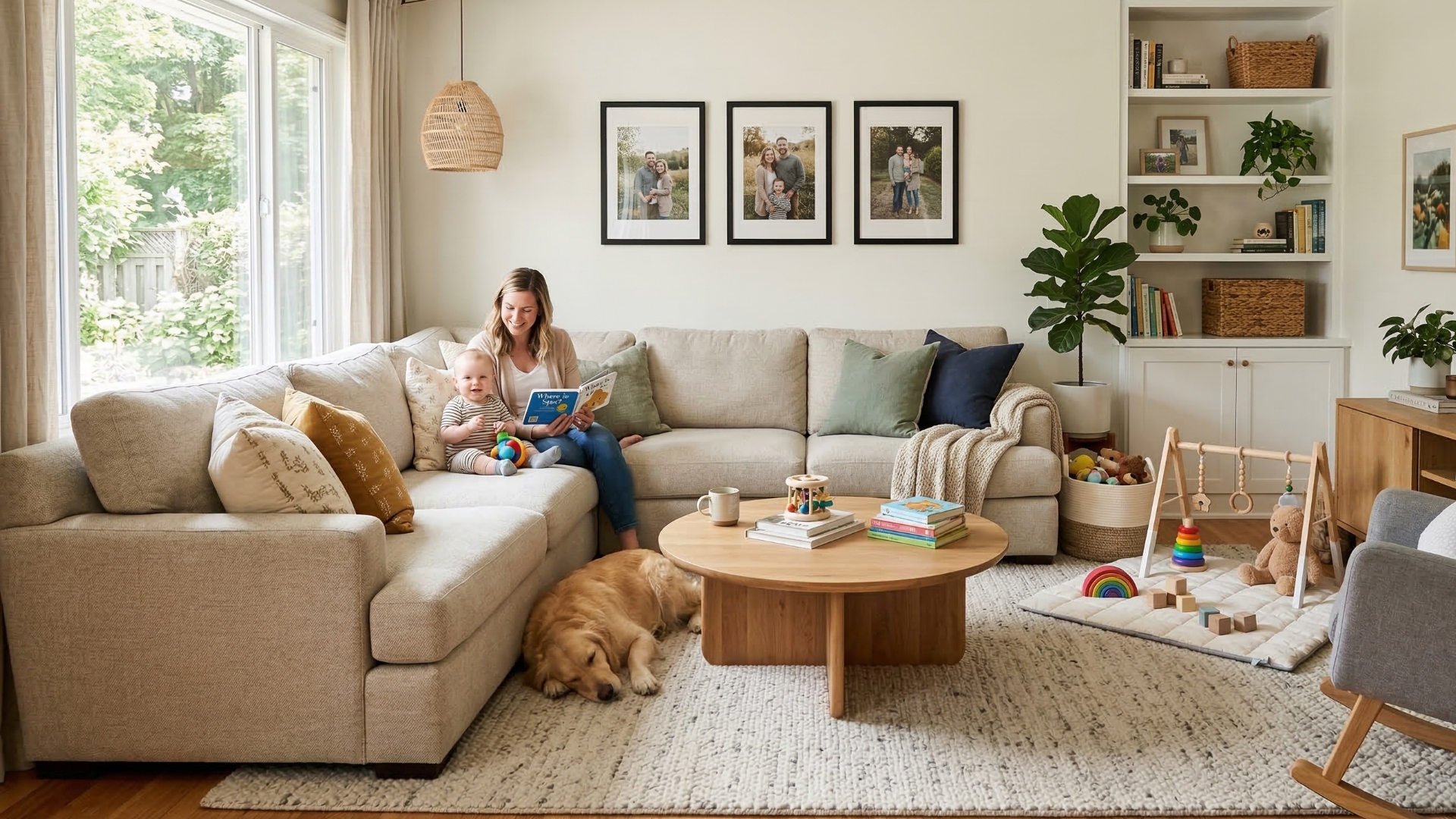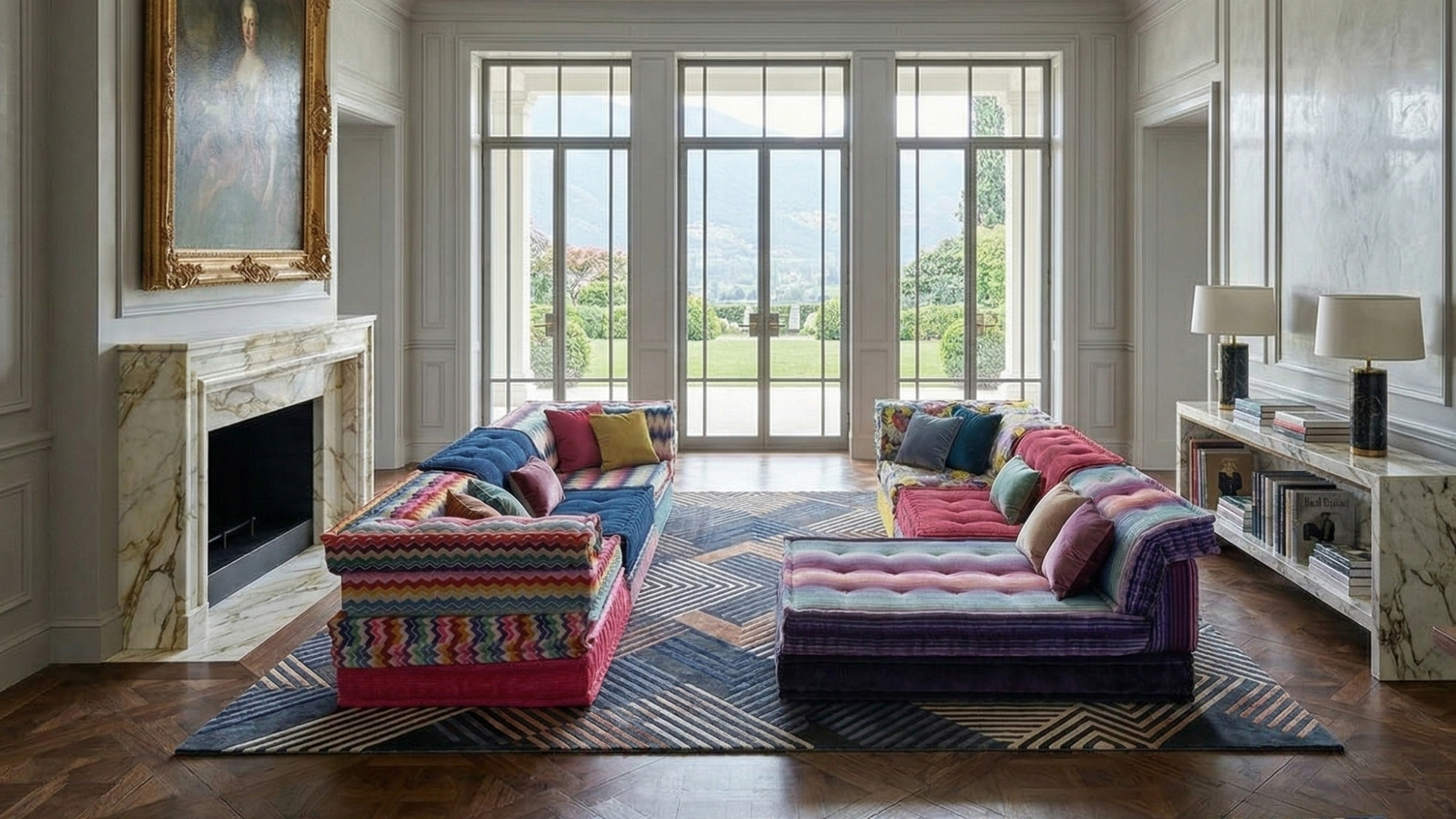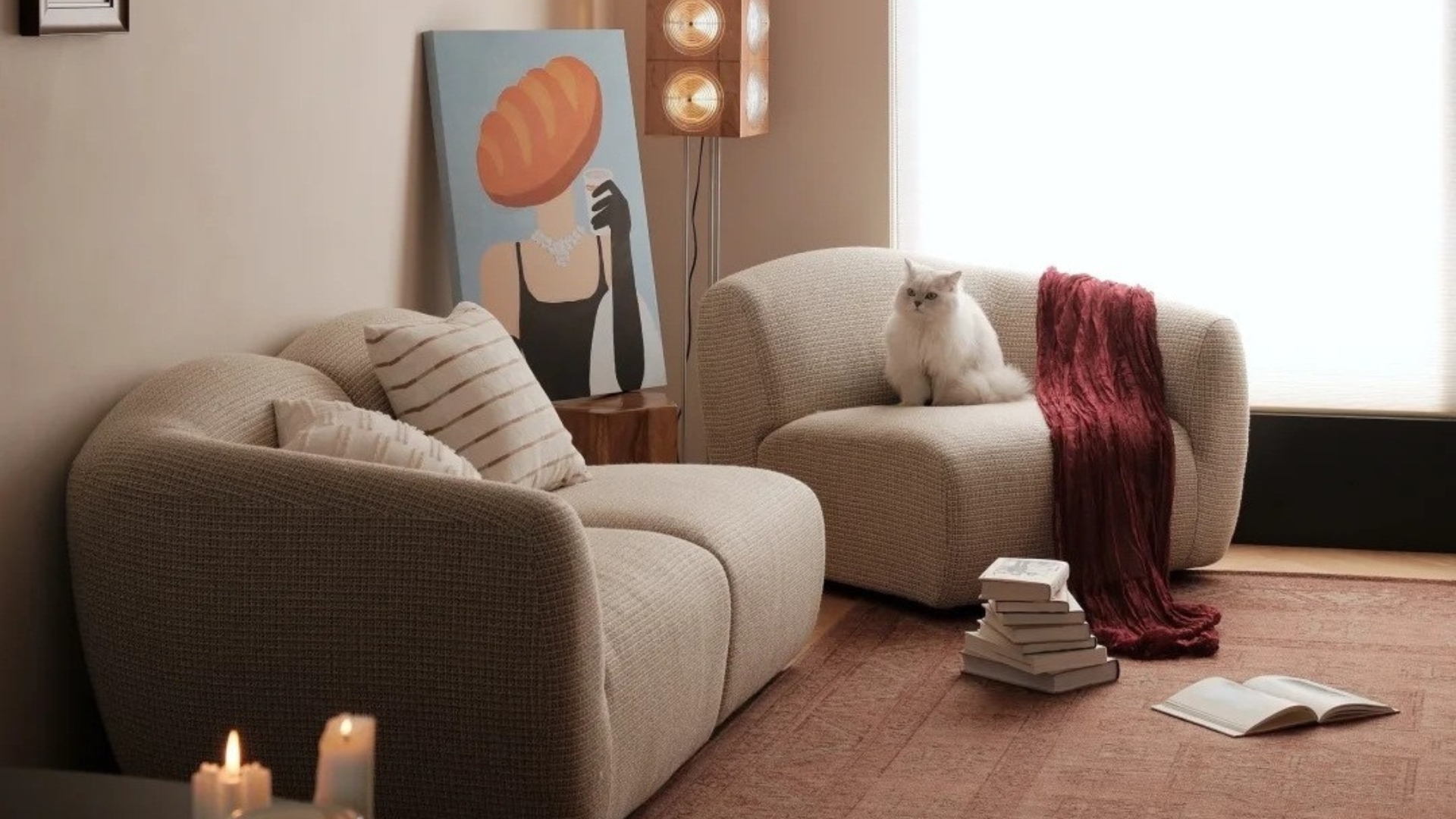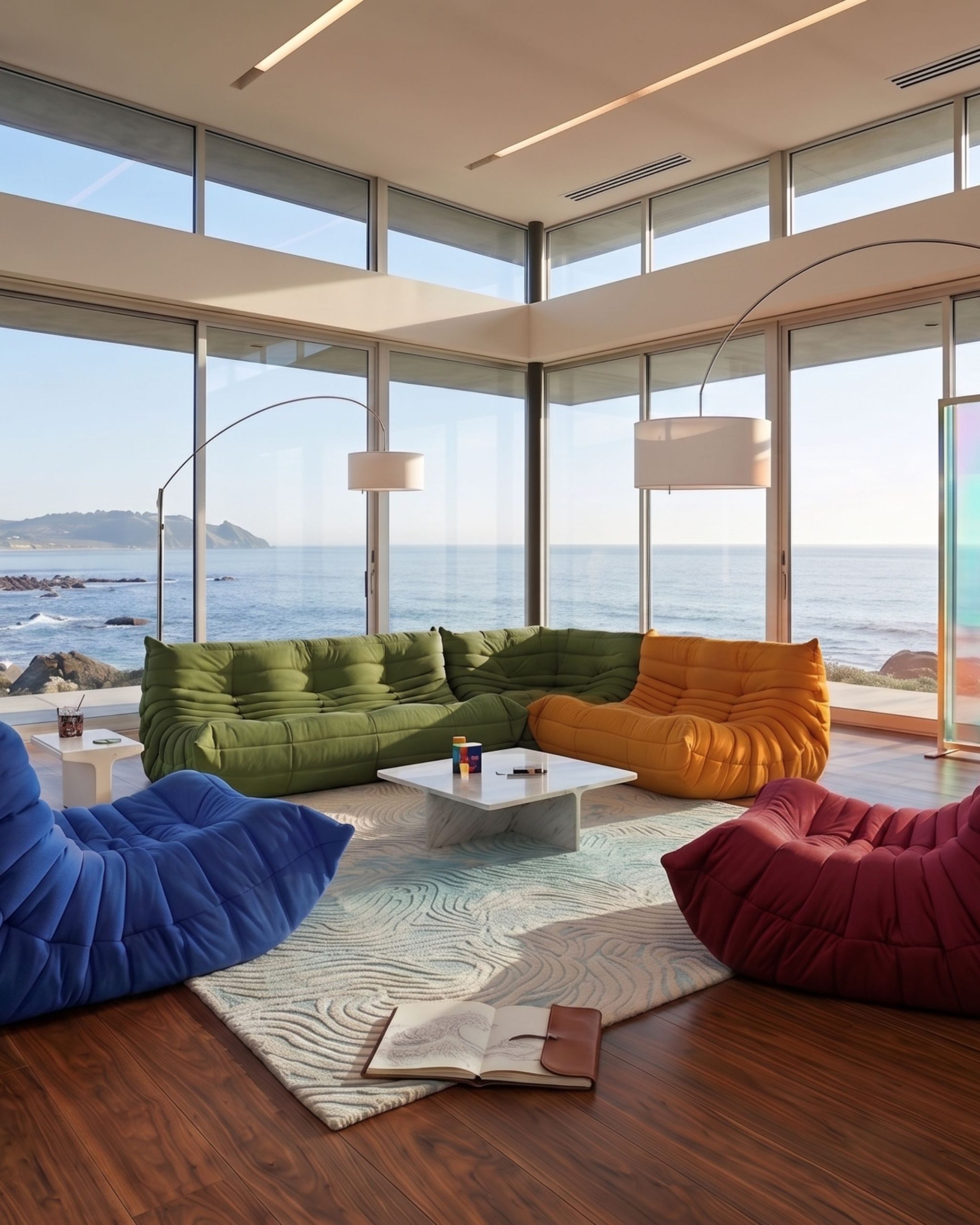
Picking a sofa fabric shouldn’t be confusing, but most product pages don’t give you enough information to make a real decision. When creating custom sofas, you often see names like “performance linen” or “top-grain leather” without any explanation of what those terms actually mean or how the material will hold up over time.
Most buyers focus on color and texture first, which makes sense since that’s what you actually see in the room. But the weave, fiber content, and finish matter just as much because they determine whether your sofa still looks good in three years or starts pilling and sagging after six months.
A beautiful linen might wrinkle constantly and drive you crazy, while a cheap polyester can feel plasticky, trap heat, and start looking worn faster than you’d expect. The wrong leather can crack and peel within a couple of years, even if it looked great in the showroom.
The difference between sofa fabrics that genuinely last and fabrics that start showing wear within a year usually comes down to fiber content, weave construction, and how the material is finished. None of that is obvious from a swatch or a product photo, and most retailers don’t bother explaining it.
In this guide, we break down the most common sofa materials, explain what makes each one perform well or poorly, and help you choose based on how you actually live. We cover durability, texture, maintenance, and which options make sense for different households.
How to Choose the Best Material for Your Sofa
Choosing the right sofa material starts with understanding how the piece will live in your home, not just how it looks. A fabric can be beautiful, but if it pills in a busy living room or fades in a sunlit corner, it very quickly loses its appeal.
The goal is to match the material to your lifestyle so your sofa stays comfortable, refined, and easy to care for.
The key questions to consider are simple:
- Does the fabric need to resist stains and daily wear?
- Will the sofa sit in a room with strong sunlight?
- Do you want a crisp, structured feel or a softer, more relaxed texture?
Thinking through these early on prevents regret later and helps the sofa age gracefully. At the end of the day, durability, comfort, and longevity all come down to choosing the right textile for your home’s conditions.
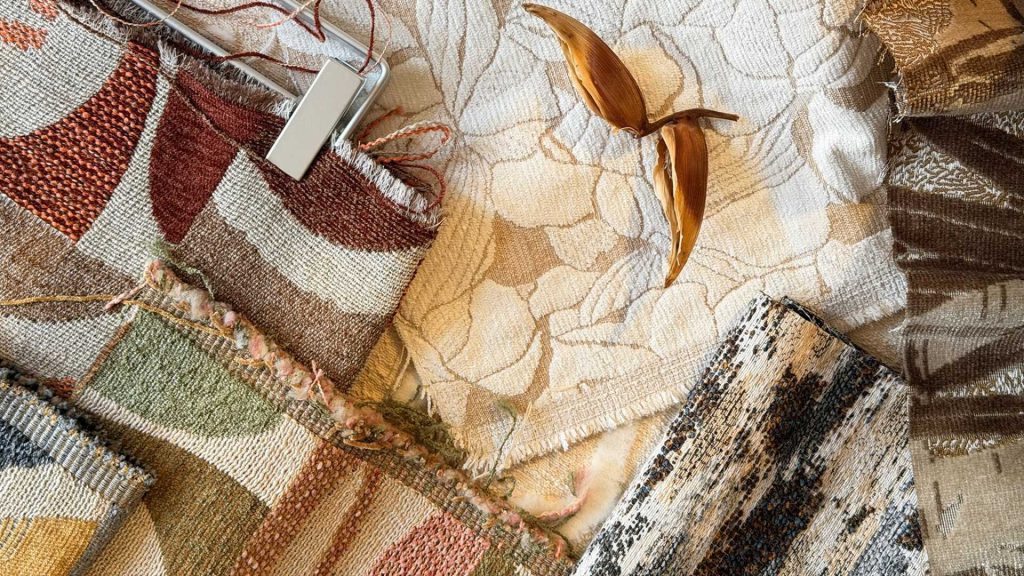
At Adorn Croft, we work only with high-end fabrics that use tighter weaves and advanced solution-dye processes for long-lasting color and texture.
This article focuses on these higher-quality materials because they are the ones we trust and recommend to clients seeking pieces that endure beautifully.
What Makes a Sofa Material Truly Durable
Once you know how the sofa will be used, the next step is understanding what actually makes a fabric durable.
Many materials are marketed as strong or family-friendly, but true longevity comes from a few specific qualities:
1. High Abrasion Resistance
A durable fabric holds up to friction without thinning or developing shiny patches. Materials with a high rub count handle everyday lounging, pets, and long-term use with far less visible wear.
2. Strong and Resilient Fibers
The best-performing textiles begin with inherently strong fibers. Wool, performance microfibers, and full-grain leather naturally bounce back, keeping the surface smooth and structured over time.
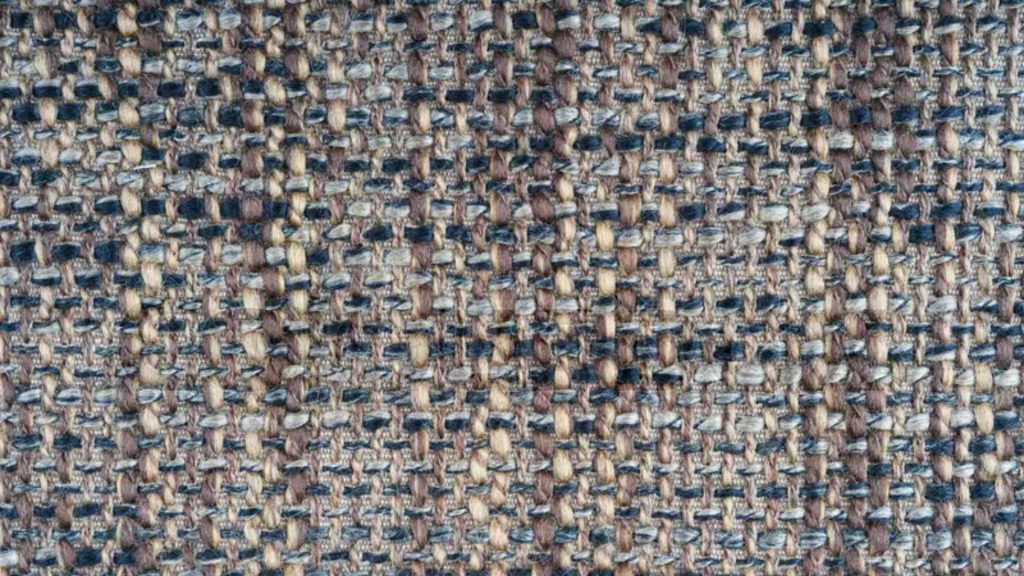
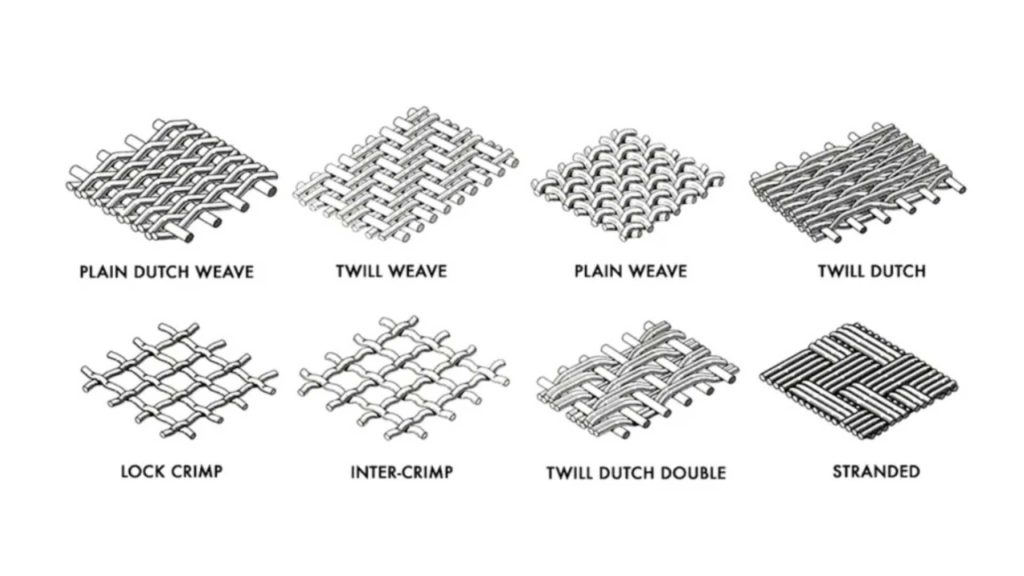
3. A Tight and Stable Weave
A well-constructed weave keeps the fabric from stretching, sagging, or unraveling. It also supports the fibers themselves, allowing the material to maintain its shape and texture.
These traits matter, but environmental factors also play a role. Sunlight can fade color and dry out fibers, while humidity can cause certain materials to age faster. For sun-heavy spaces, outdoor or semi-outdoor fabrics offer better colorfastness and stability.
It’s also helpful to remember that even the strongest materials benefit from thoughtful care. Washable or replaceable covers won’t make a fabric more durable, but they do extend the life of the sofa as a whole. Because different textiles age differently, fabric selection can also influence how much a custom sofa costs over time.
Sofas are meant to be lived on, and over five to ten years, your needs or space may change. Updating fabrics or covers is a natural part of keeping a home feeling current and comfortable.
Best Sofa Materials (Pros, Cons, and When to Choose Them)
Choosing the right sofa material can feel overwhelming when every option promises comfort, durability, and easy care.
Below, we break down the materials that consistently perform best in real homes based on thousands of client requests and our upholstery experience.
1. Full-Grain Leather
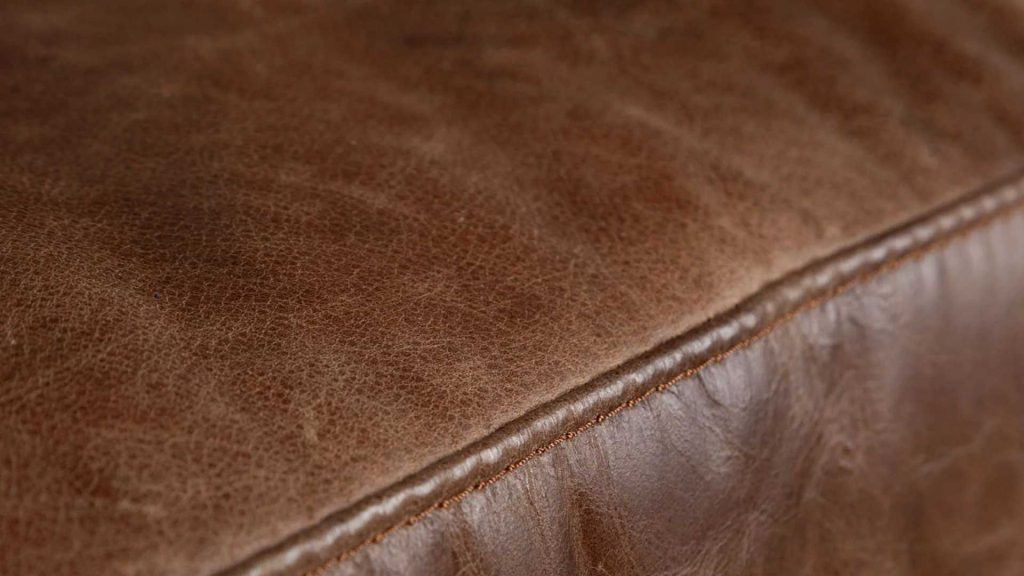
Among all upholstery leathers, full-grain leather sits at the top. It’s cut from the top layer of the hide, where all the natural grain is untouched. The result is a firm yet luxuriously soft feel with subtle variations that give the surface an authentic character.
What makes full-grain leather special is its strength. Because the surface isn’t sanded, the fibers stay tightly packed, making it the most durable leather type for your sofa. Over time, it also develops a rich patina that gives a leather sofa even more character as it ages.
The only trade-offs to consider are its higher price and the presence of natural markings, which are part of its charm but not everyone’s preference. But if you want a leather sofa that lasts for many years and ages gracefully, full-grain is the most rewarding choice.
You may also come across other leather types on the market, so it helps to understand how to compare.
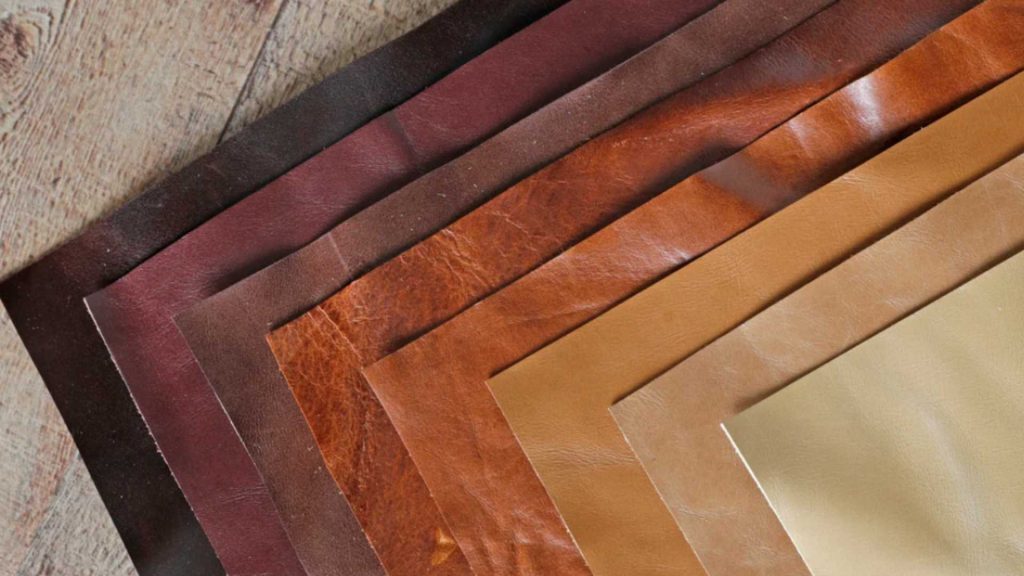
Top-grain leather sits just below full-grain in quality. It’s lightly buffed to remove small marks, which creates a more uniform look, but the sanding reduces a bit of its natural toughness. It’s still a strong choice, especially if you prefer a smoother, more consistent appearance.
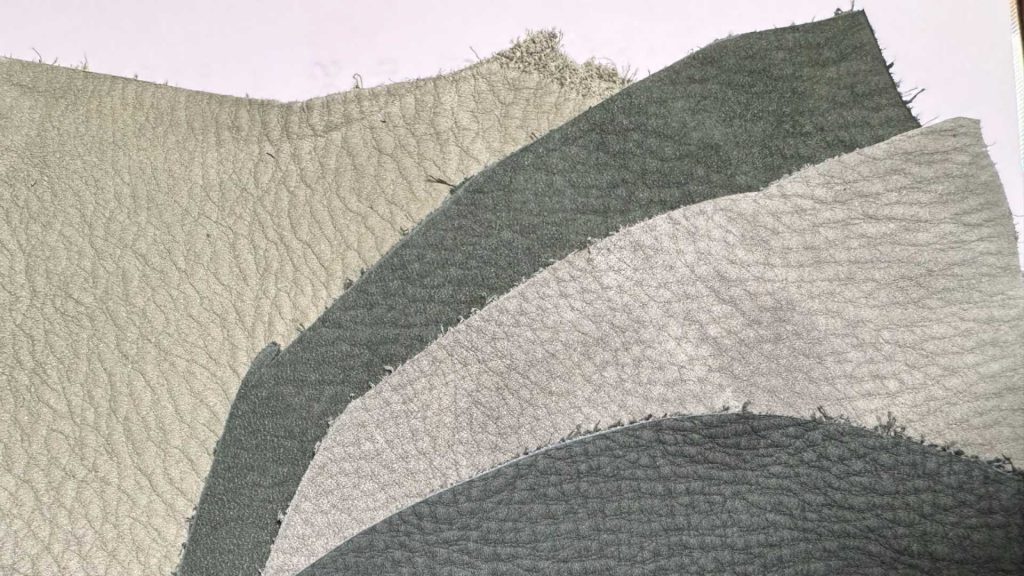
Nubuck is another variation, which starts as top-grain leather but is sanded to create a velvety, suede-like surface. It’s beautiful and tactile, but it is more delicate, so it’s best for low-traffic rooms or homeowners who enjoy maintaining their pieces.
Regardless of which leather type you choose, here are some practical notes to know:
- Pet fur brushes off easily
- It needs maintenance to prevent cracking
- In humid climates, it must be well-maintained to avoid mold
- Always request swatches and buy from a reliable merchant to avoid bonded or imitation leather, which can peel quickly
2. Performance Velvet
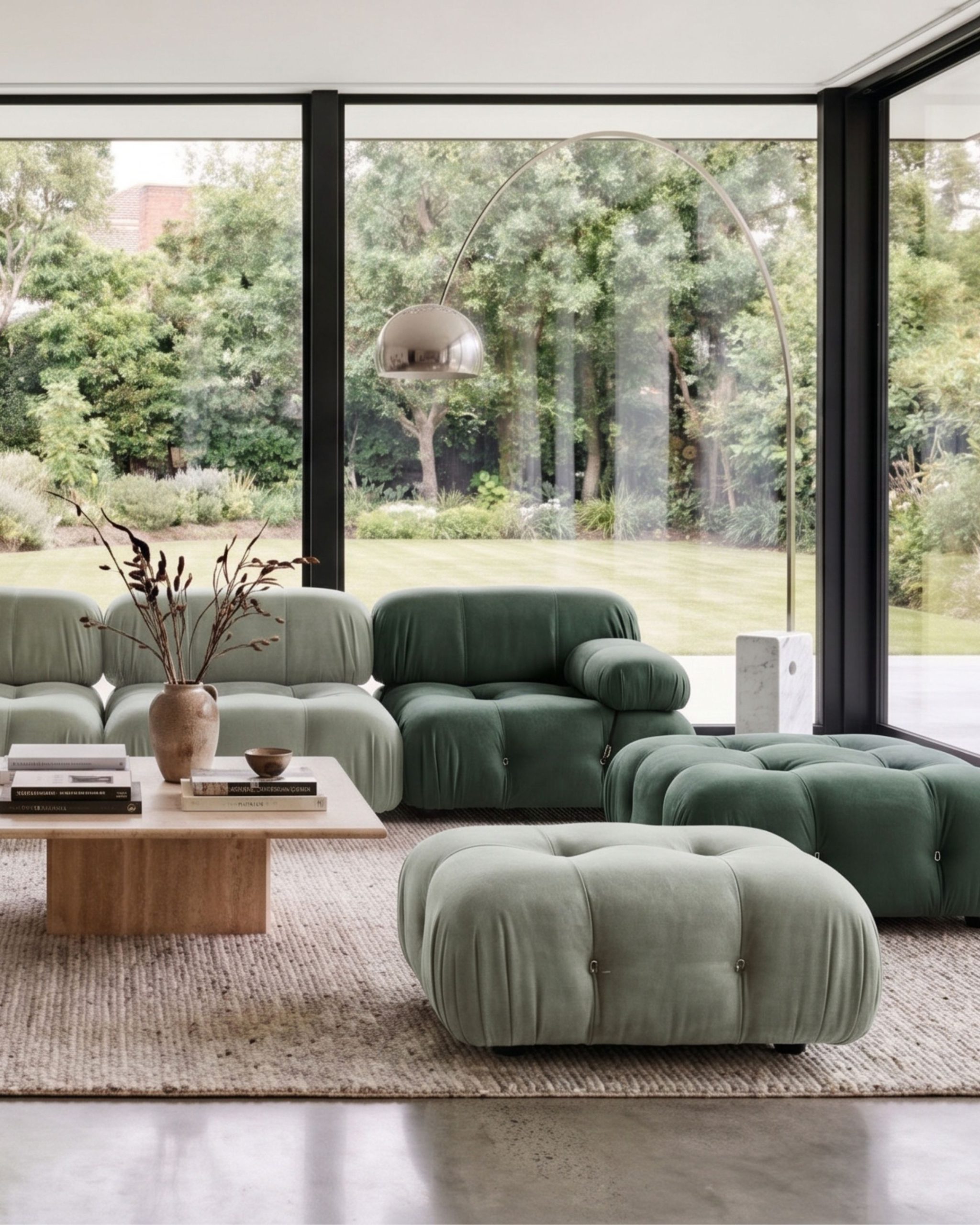
If comfort is your priority, performance velvets are some of the most comfortable sofa materials. The surface is luxuriously soft, yet this performance fabric is engineered to handle daily life far better than traditional velvets.
The strength of this fabric comes from its construction. Performance velvet uses a tightly woven base and treated fibers that resist stains, moisture, and fading.
However, its quality varies a lot in the market. The term “performance velvet” is used loosely, so the difference often comes down to how advanced the fibers are.
Generally speaking, high-density velvets with poly-microfiber construction perform best. They use ultra-fine fibers below 1.0 denier, which gives them that spring-back quality that keeps the surface from flattening. Fabrics in the 450 to 550 g/m² range or with 80 to 100k pile points per square meter feel more substantial.
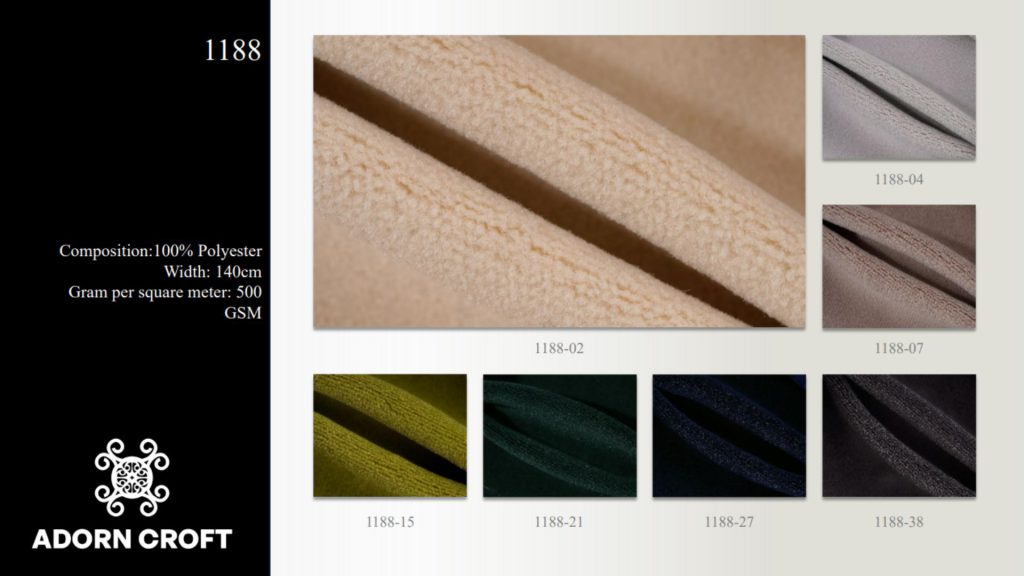
In simple terms, these velvets are made with very fine fibers, so they feel soft and stay fluffy even after years of sitting and cleaning.
Another strength of performance velvet is how well it handles homes with pets. Cut-pile velvet resists snagging and can withstand pet claws when made well. It may attract some dust or hair, but regular vacuuming keeps it clean and smooth.
The main limitation to consider is that lower-grade performance velvets can crush or develop shiny spots over time, especially in high-use areas. That’s why choosing the high-density version mentioned previously matters. When you pick a well-constructed velvet, you get all the comfort with far fewer maintenance concerns.
At Adorn Croft, we use this higher-grade style of performance velvet. Its solution-dyed fibers hold color beautifully over time, making it a perfect choice for anyone who wants a plush, inviting sofa that still stands up to daily use.
3. Wool Blends
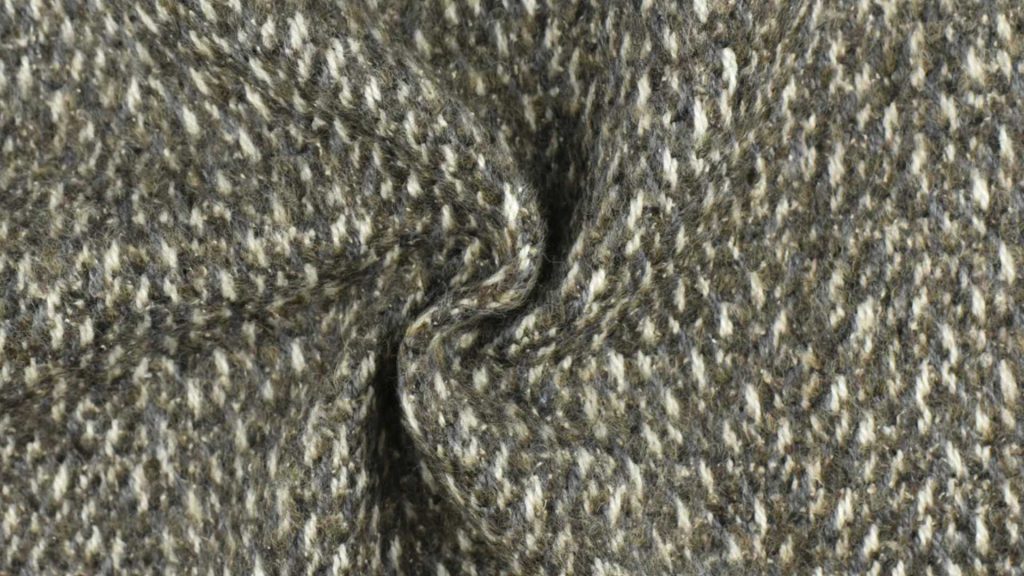
Wool blends are among the longest-lasting sofa materials. They’re created by mixing wool with fibers like polyester, nylon, viscose, or acrylic, creating a fabric that’s durable yet still has the natural beauty wool is known for.
Pure wool is already resilient on its own. But blending it with other fibers brings out the best qualities of each.
The right mix creates a softer hand feel, better durability, and more consistent color. What’s more, it reduces pilling, improves cleanability, and helps the fabric keep its shape over time at a more accessible price point.
Wool blends come in different tiers, each offering a different level of refinement:
- Tier 1 (40 to 60% wool): Soft, accessible, and available in more uniform colors with a casual, cozy feel.
- Tier 2 (60 to 80% wool): Stronger, longer-lasting, and visually richer, with lower pilling and a clean Scandinavian look.
- Tier 3 (80 to 95% wool): Tightly woven, crisp, and refined, with minimal pilling and a modern Italian aesthetic.
- Ultra Luxury (95 to 100% wool): Crafted in specialty mills for exceptional smoothness, almost zero pilling, and a luxurious texture.
Like any natural fiber, wool does come with a few considerations. It can feel warm in hot climates, and some people are sensitive to its texture, especially at higher wool percentages. Lower-grade blends can pill more easily if the wool content is low or if the accompanying fibers are weak. And while wool is naturally resilient, we find that it responds best in homes that avoid extreme humidity or direct sunlight.
We work primarily with the higher tiers for our sofas. Our fabrics use 50% wool and above, including pure 100% wool options. We select high-crimp wool for better resilience and shape retention, and worsted yarns with a higher twist count and longer staple length for a smoother, stronger finish.
For anyone who loves natural fibers but also wants a dependable, long-lasting sofa, wool blends are one of the most balanced choices. They feel grounded, hold their structure beautifully, and bring a quiet, timeless sense of luxury to any room.
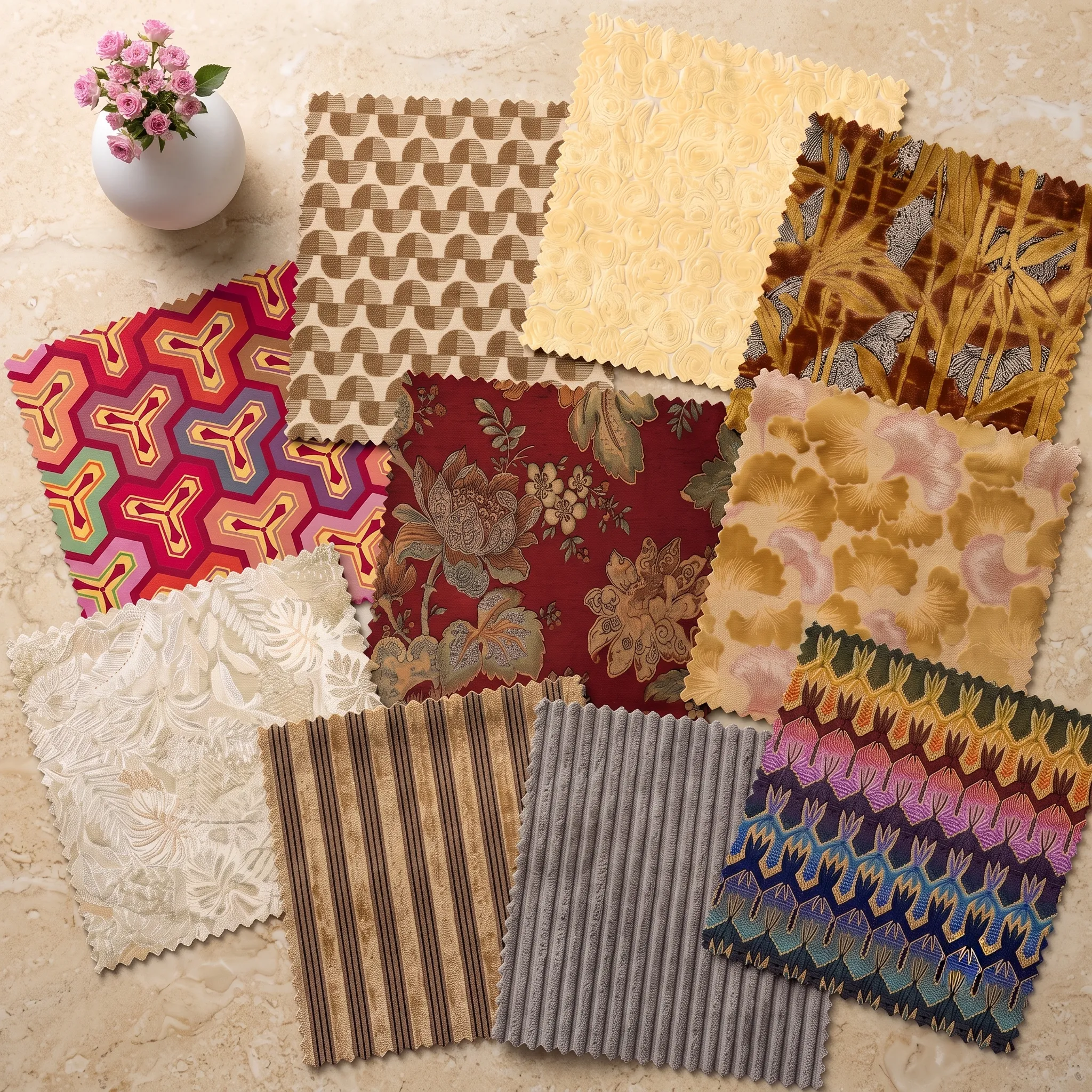
Get our complimentary Love-It Fabric Kit with 20 family-friendly swatches to make choosing stress free.
Materials to Be Careful With
Unfortunately, not every beautiful fabric holds up well in real-life use. These materials can look appealing at first, but are worth considering carefully before choosing them for a sofa.
- Bouclé: A trending looped-texture fabric made with wool or cotton, but lower-grade synthetic versions snag easily and aren’t ideal for homes with pets.
- Suede: A soft, brushed leather with a velvety surface, but it stains quickly and demands high maintenance.
- Rayon: A semi-synthetic fiber made from wood pulp that feels silky, but it stretches, wrinkles, and wears down fast.
- Chenille: A plush yarn-based fabric known for its fuzzy texture, but it’s prone to stretching and fabric separation if the backing is thin.
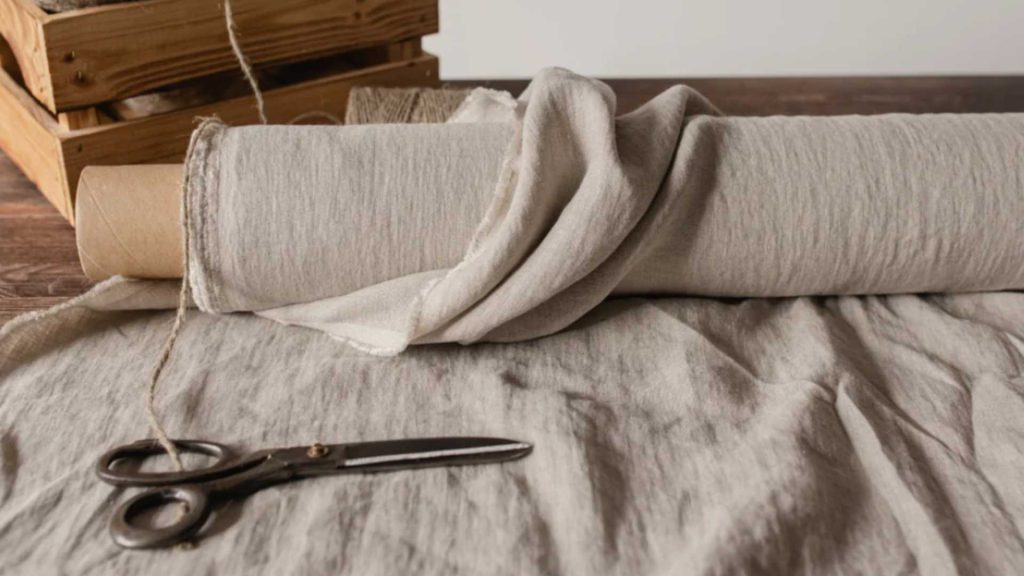
- Pure Linen: A natural fiber made from flax that’s breathable and elegant, but it wrinkles easily with daily use.
- Acrylic: A lightweight synthetic fiber designed to mimic wool, but it pills quickly and is not abrasion-resistant.
- Olefin: A durable synthetic fiber often used outdoors, though it can become brittle or faded in sun-heavy rooms.
- Denim: A tightly woven cotton twill that’s very tough, but its stiffness makes it less comfortable for a sofa.
- Bonded Leather: A blend of leather scraps and adhesives made to look like real leather, but it peels and cracks quickly.
These materials can still be used thoughtfully. But it’s important to understand their trade-offs so that they’re chosen for the right room, purpose, and level of use.
Best Sofa Material for Different Lifestyles
Choosing the right fabric becomes much easier when you think about how the sofa will be used every day. Below are the materials that consistently perform best across different home environments.
Best Sofa Material for Homes with Kids & Pets
If your sofa needs to handle spills, climbing, jumping, or pet claws, choosing the right material makes a huge difference.
While kid-friendly sofa fabrics and pet-friendly sofa fabrics share many qualities, each comes with its own considerations. The good news is that several materials perform exceptionally well for both.
These fabrics offer the best mix of strength and easy care for homes with kids and pets:
- Microfiber: Tight, smooth weave that resists stains and stands up well to scratchy claws.
- Performance Velvet: Cut-pile surface resists snagging and cleans hair easily with regular vacuuming.
- Natural Wool/Linen Blends: Strong, breathable fibers that keep their shape and hide wear better than pure linen.
- Full-Grain Leather: Durable surface that wipes clean and naturally repels fur.
Best Sofa Material for Long-Term Durability
For buyers who want a sofa that stays beautiful for many years with the least visible aging, these materials hold up exceptionally well:
- Wool Blends: Naturally resilient, tightly woven, and slow to pill.
- Linen Blends: More structured and long-lasting than pure linen.
- Performance Polyester: Strong, stable fibers that resist wear and fading.
- Performance Velvet: Maintains pile, color, and softness even with regular use.
- Full-Grain Leather: Develops a refined patina and ages better than almost any fabric.
Best Low-Maintenance Sofa Material
If you want something easy to clean and simple to care for, these fabrics make everyday upkeep effortless:
- Performance Polyester: Stain-resistant, colorfast, and very forgiving.
- Microfiber: Cleans quickly and rarely shows wear.
- Performance Velvet: Simple maintenance with regular vacuuming.
How Adorn Croft Helps You Choose the Right Material
Even with all this information, choosing a sofa fabric can still feel overwhelming. It isn’t always obvious which texture, color, and performance level will work best for your home.
So to make the process easier, we guide you through every step.
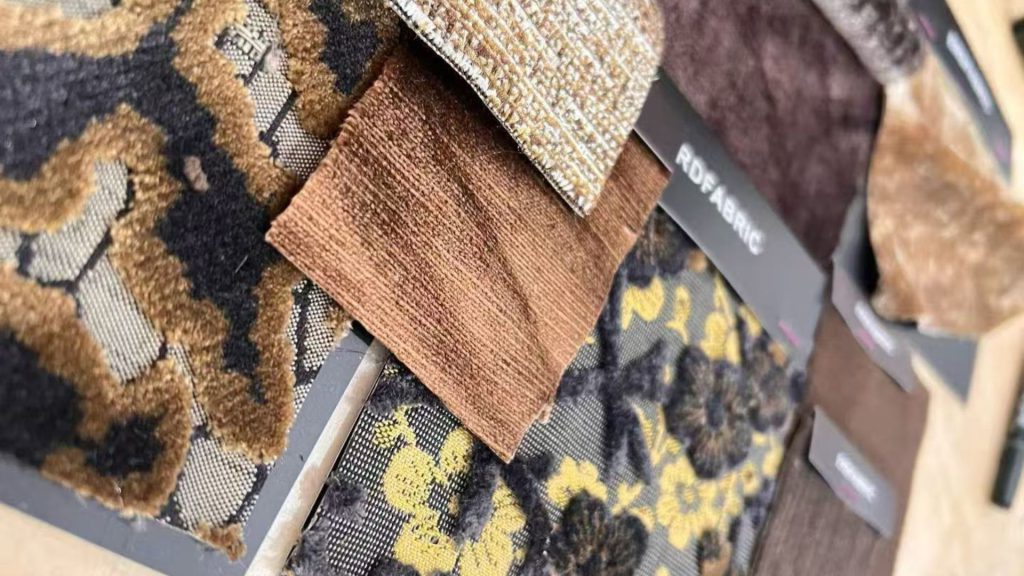
We send fabric swatches so you can see the color and texture in your own space, with the swatch fee fully deducted from your order. We also support designer fabrics and COM provided by you. Along the way, we offer clear, practical guidance on how each fabric behaves with sunlight, pets, and daily use, helping you choose with confidence.
Our goal is to ensure the material you select feels right for your lifestyle and continues to look beautiful over time.
Conclusion
Finding the right sofa material becomes much simpler once you focus on how the piece will live in your home. When you focus on durability, comfort, and maintenance level, the right choice becomes much clearer.
High-quality fabrics and blends often outperform trending materials. They offer better structure, richer texture, and a longer lifespan. Thinking this way makes it more about choosing a fabric that supports the way you actually live.
And if you’d like help narrowing down your options, you can always contact our team to find the material that feels right for your space.
We help turn your ideas into a sofa you can see and feel confident about.
Book a Free Design CallAuthor bio

Beautiful homes start with great ideas.
Get curated ideas on materials, finishes, and styles for your home