In our experience, many people shopping for a leather sofa do not have sufficient experience with leather to know which type or grade they are looking at. A sofa can look beautiful in a showroom but begin sagging, peeling, or losing support after only a few years of use if it’s not built well.
There are also terms such as “genuine leather,” “top-grain leather,” and “leather match” that can make two sofas appear similar even when the materials are very different.
In fact, a sofa may use better leather on the seats but split leather, coated material, or vinyl on the sides and back, and unless those details are clearly listed and you understand them, it can be difficult to know what you are actually paying for.
Other than that, the frame, suspension, cushion foam, stitching, and whether the cushions can be replaced will all affect how long a leather sofa lasts.
In this article, we will look at ten of the best leather sofa brands, including Adorn Croft, explain what each one does well and where it may fall short, and cover leather grades, frame construction, cushion materials, warranties, and other details to check before you order.
1. Adorn Croft Custom Leather Sofas
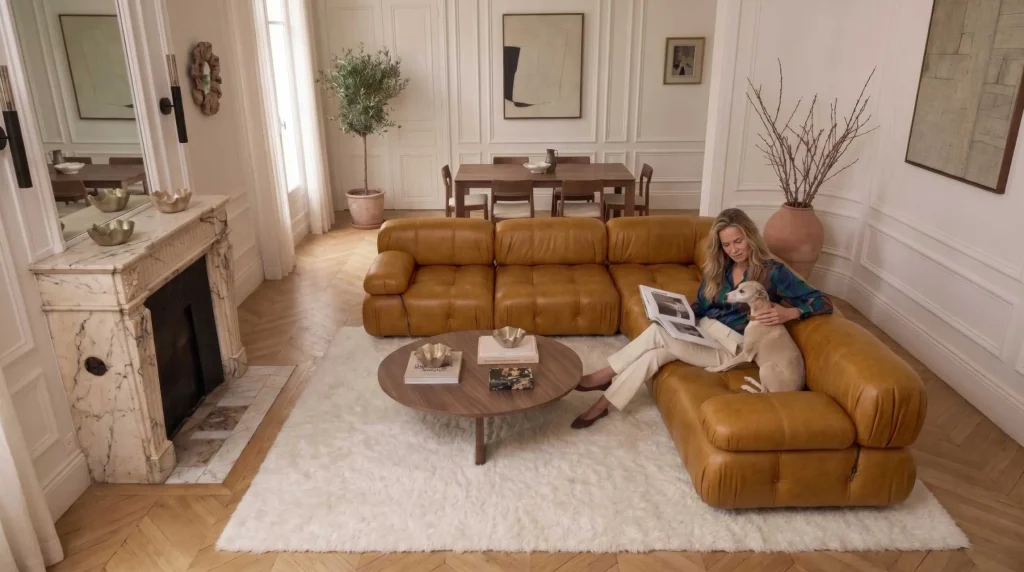
Adorn Croft is best for someone who knows the general style of leather sofa they want but cannot find it in the right dimensions, leather, configuration, or level of comfort, and for anyone who wants the most premium leather available.
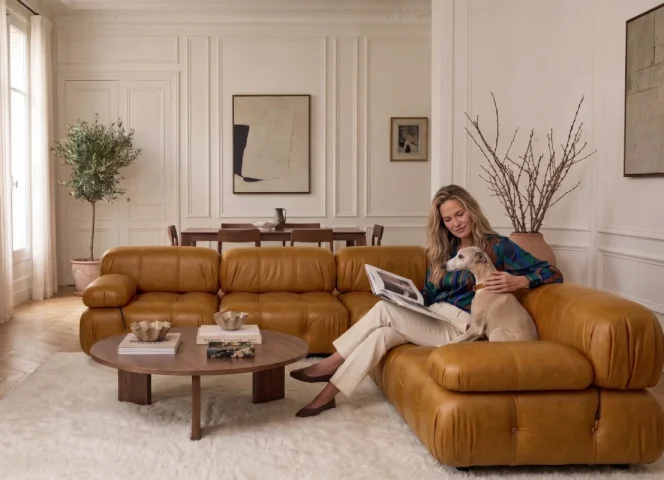
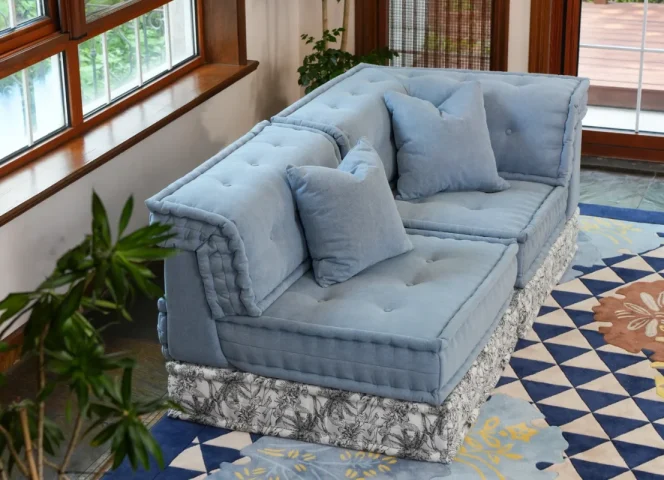
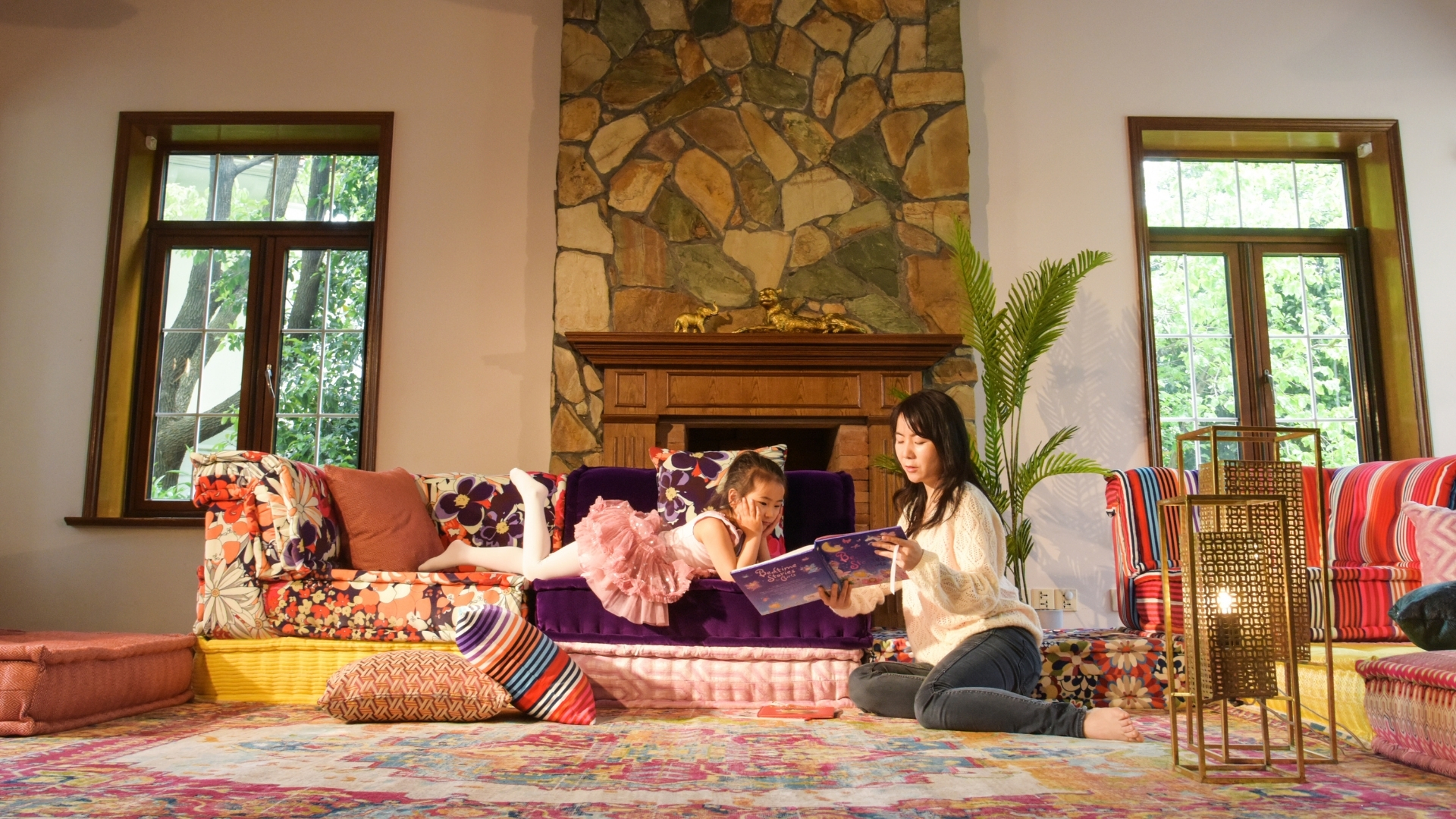
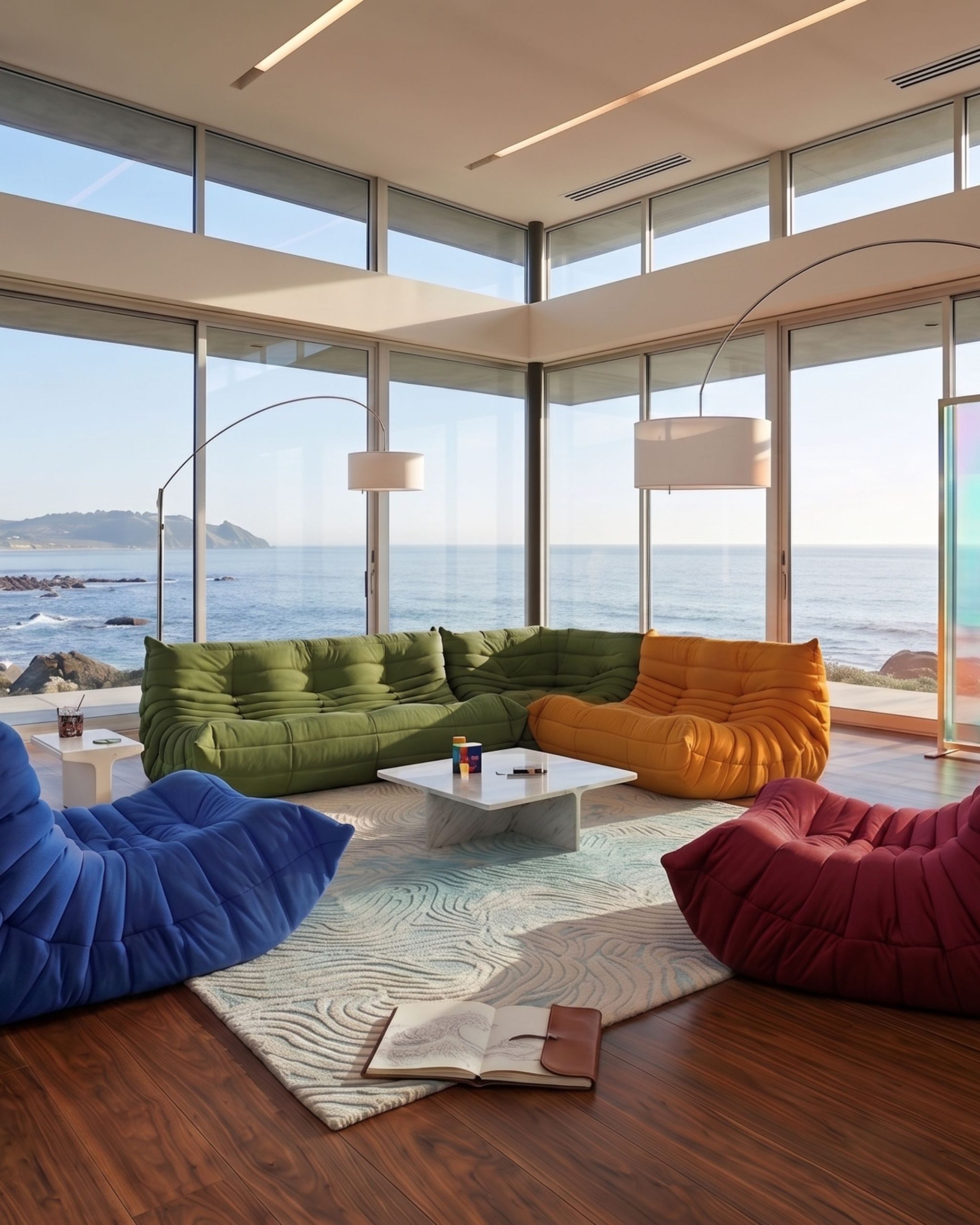
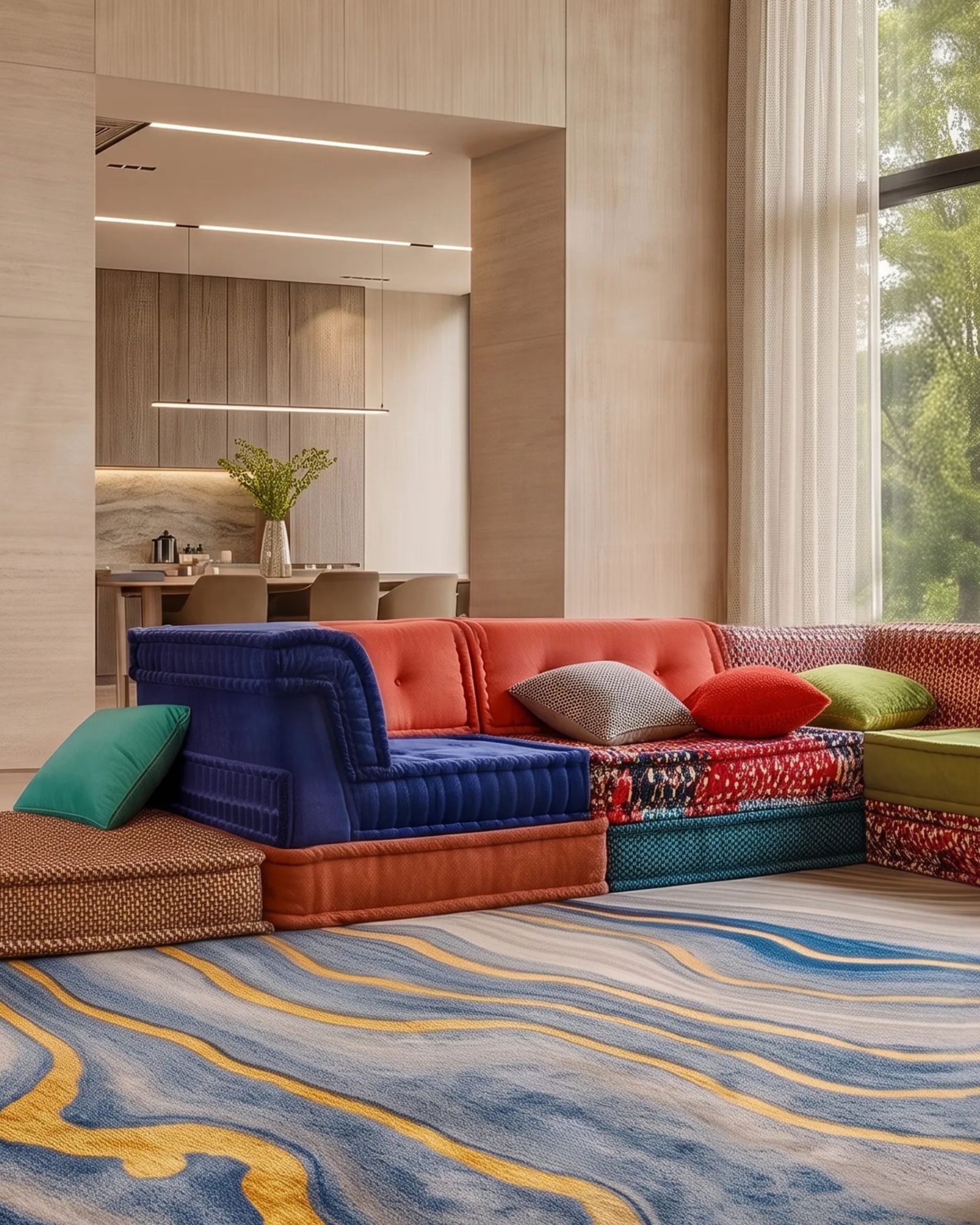
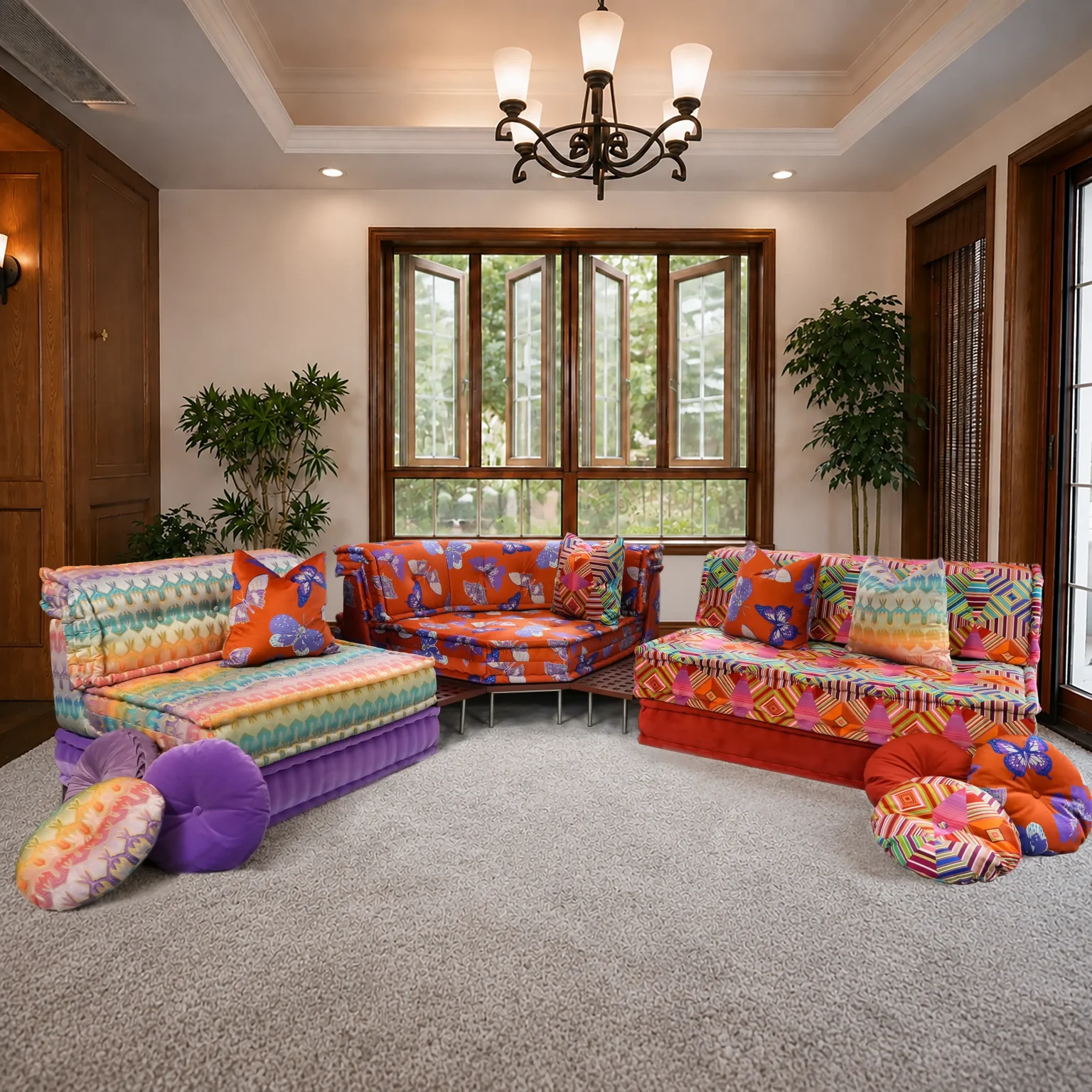
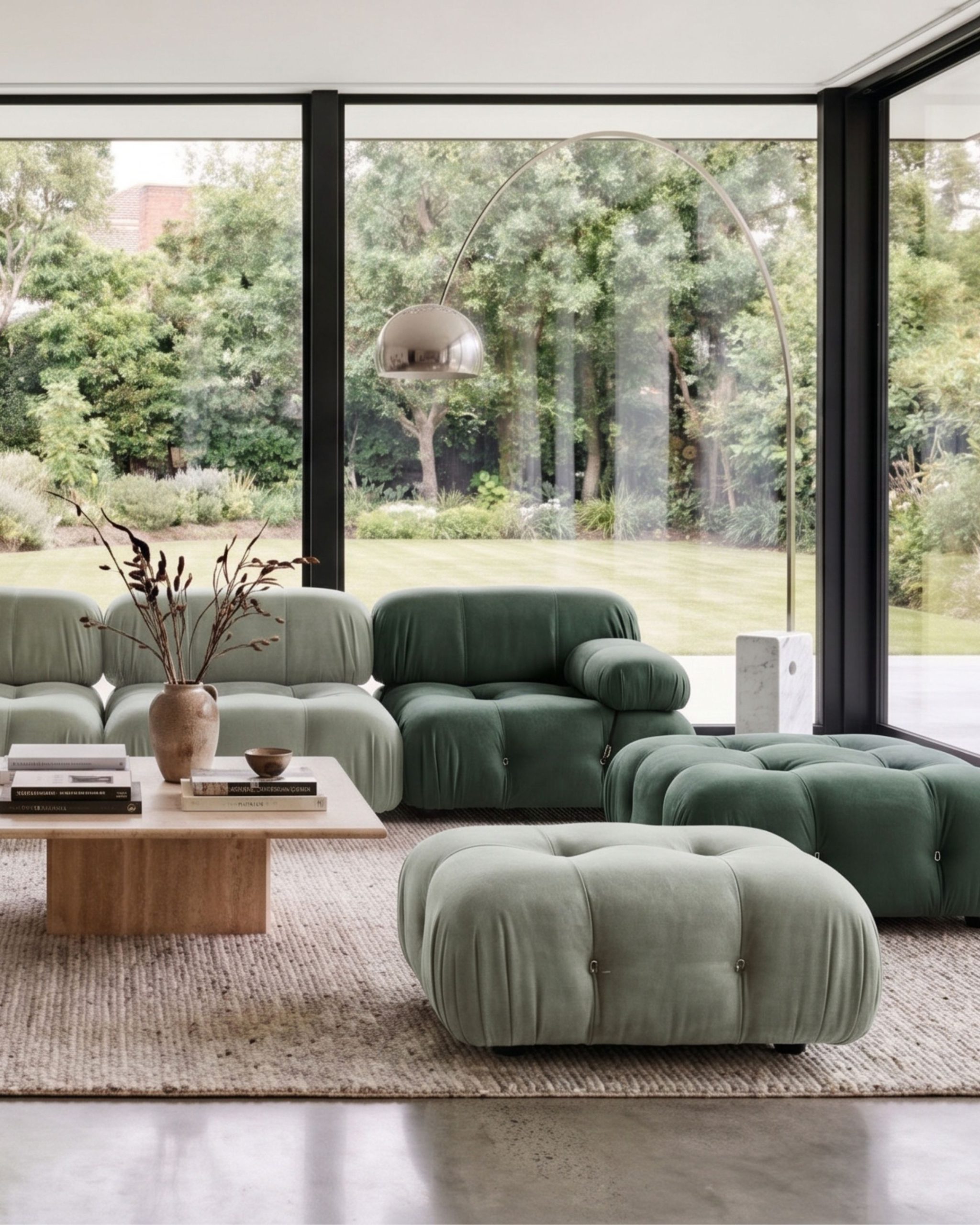
Many customers come to us because they like the shape of a Togo, Bubble, Mah Jong, Pebble, or Marenco-style sofa but find that the standard version is too low, too deep, too large, or only available in fabric.
Every Adorn Croft sofa is made to order, so you are not limited to a fixed combination of size and material.
We work with organic vegetable-tanned leather, tanned with natural plant extracts rather than chrome, along with top-grain, full-grain, and nubuck options. We can adjust the width, depth, seat height, back support, cushion firmness, configuration, and leather around the room and the people who will use it.
Built Around Your Room and the Way You Sit
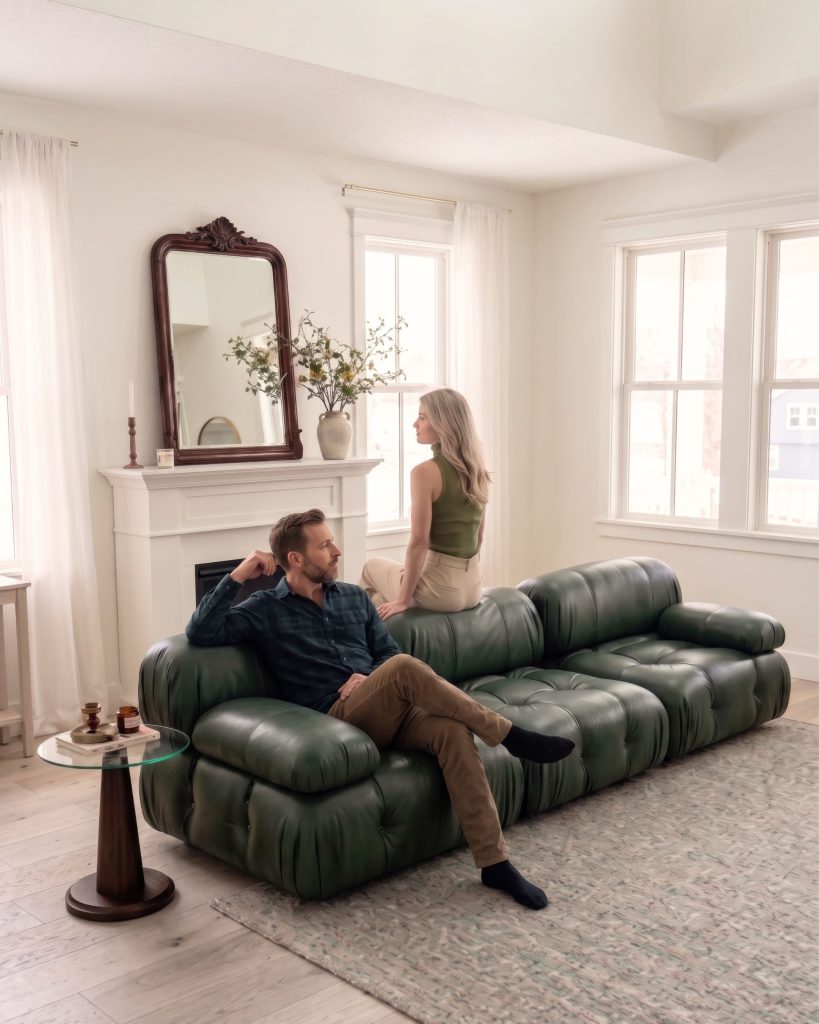
A sofa can be made of excellent leather and still feel uncomfortable if the proportions do not suit the people using it.
The proportions can then be adjusted around the customer and the room. That may mean raising the seat for a taller person, reducing the depth so someone can sit back with their feet on the floor, or reworking the width and configuration so the same design fits an apartment rather than a large living room.
We work through these details before production begins. That may mean changing the width of each module, raising the seat, reducing the depth, adjusting the back angle, or making the cushions firmer than on a standard version.
This is one of the main reasons families and designers work with us. They do not have to choose between the leather sofa they like and the dimensions they actually need.
Better Leather Options, Chosen for the Way You Live

The best leather for a formal sitting room may not be the best choice for a family room with children, pets, and direct sunlight.
We work with organic vegetable-tanned leather, full-grain, top-grain, aniline, nubuck, and other leather options, and we explain how each one is likely to wear over time. Someone who wants natural markings and visible patina may prefer a minimally finished leather, while a busy household may be better suited to a more protected finish that is easier to maintain.
Vegetable-tanned leather and nubuck are the two options most brands do not carry. Vegetable tanning uses natural plant extracts rather than chrome, which produces a hide that ages and patinas more richly over time. Nubuck has a soft, brushed surface that feels closer to suede while retaining the strength of a top-grain hide. Full-grain and top-grain are more widely available, and we offer those as well.
We also do not encourage customers toward lower-grade leather. Split and bonded materials cost less at the outset, but they are the reason many leather sofas begin peeling or cracking within a few years. If you are investing in a sofa you plan to keep, the leather is not the place to economize.
We also consider how much sunlight the room receives, whether pets will use the sofa, and how comfortable the customer is with scratches, creases, and color changes. These are easier decisions to make before production than after the leather has already been selected.
Customers can choose from our material collection or provide their own leather if they have already found a specific hide or tannery they prefer. We review customer-supplied materials first to ensure they are suitable for the sofa’s shape and construction.
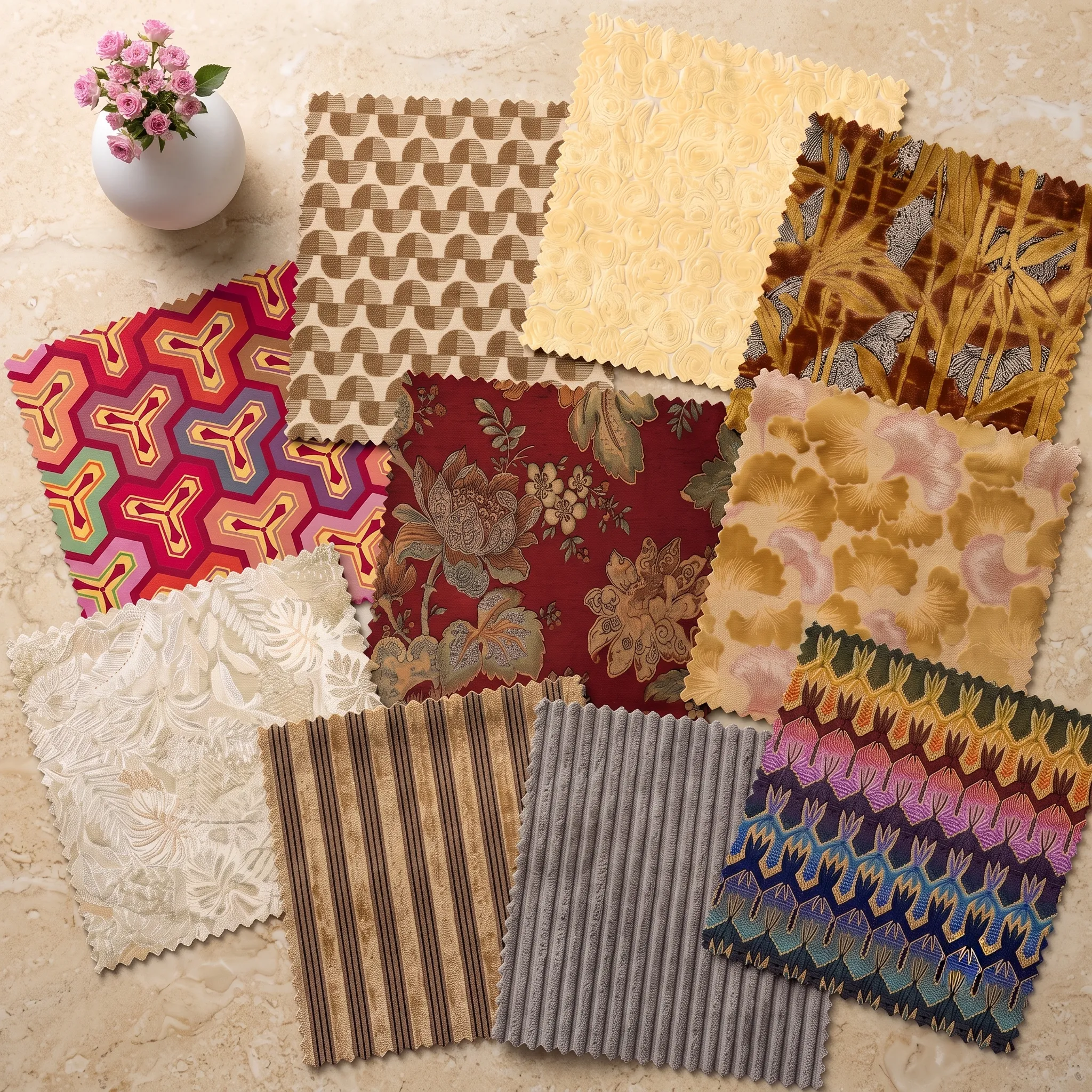
Want Fabrics You’ll Love?
Get our complimentary Love-It Fabric Kit with 20 family-friendly swatches to make choosing stress free.
A Frame and Cushion System Made for Long-Term Use
Our framed sofas use kiln-dried hardwood with corner-blocked and double-doweled joints. Seats use eight-way hand-tied springs, and applicable designs use high-resilience foam with a density of 2.81 pounds per cubic foot.
A denser foam core holds its shape longer, but serviceability matters too. Depending on the design, we can build cushions as separate units so they can be replaced or re-covered later rather than requiring the entire sofa to be discarded.
We also remain available after delivery if a sofa later needs replacement upholstery, new cushions, or another repair.
Familiar Sofa Styles Made to Your Specifications
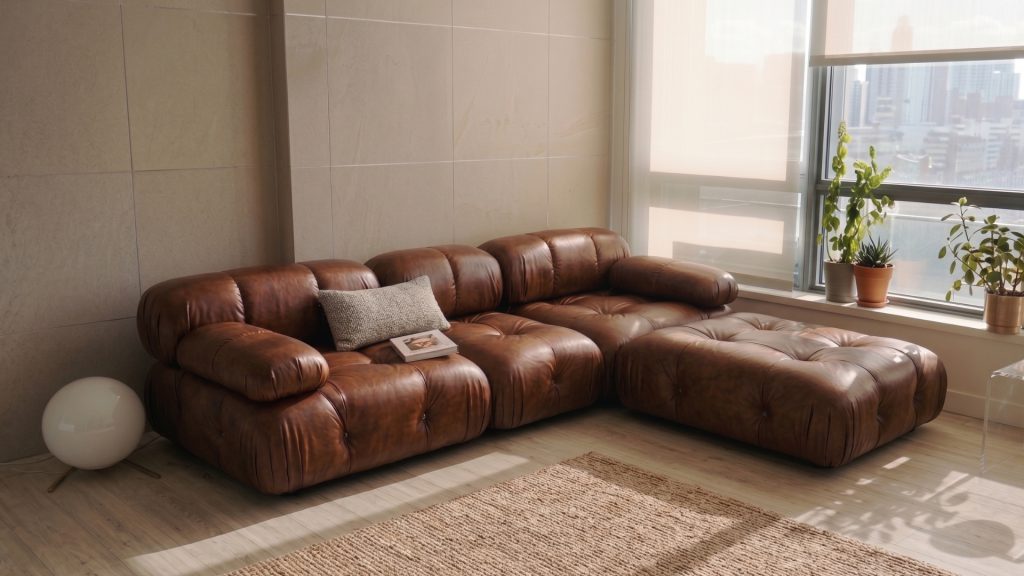
Our leather sofas are not limited to a standard three-seat shape. We make Mario Bellini sofas, Togo-style sofas, Bubble sofas, Pebble sofas, Marenco-style pieces, modular sectionals, and original designs.
Leather changes the character of each style. A Bubble sofa can feel more tailored in leather, while a Togo can develop a softer, more lived-in appearance as the hide ages. Modular designs can also be arranged around the room rather than in a single fixed configuration.
We can keep the parts of the design that attracted you to the sofa while changing the measurements, leather, firmness, or layout to make it otherwise impractical.
Production Time, Pricing, and Delivery
Because every sofa is made to order, it will not arrive as quickly as one that is already in stock. Production generally takes 4 to 6 weeks, depending on the design, leather availability, and order complexity.
Our pricing depends on the sofa style, size, configuration, and leather selected. For example, a single Togo-style chair and a large panoramic Mah Jong sectional require very different amounts of material and labor, so we provide a quote based on the actual design rather than using one starting price for every sofa.
Delivery is free within the continental United States and Canada.
Not Sure How to Bring Your Dream Sofa to Life?
We help turn your ideas into a sofa you can see and feel confident about.
Book a Free Design Call2. Hancock & Moore
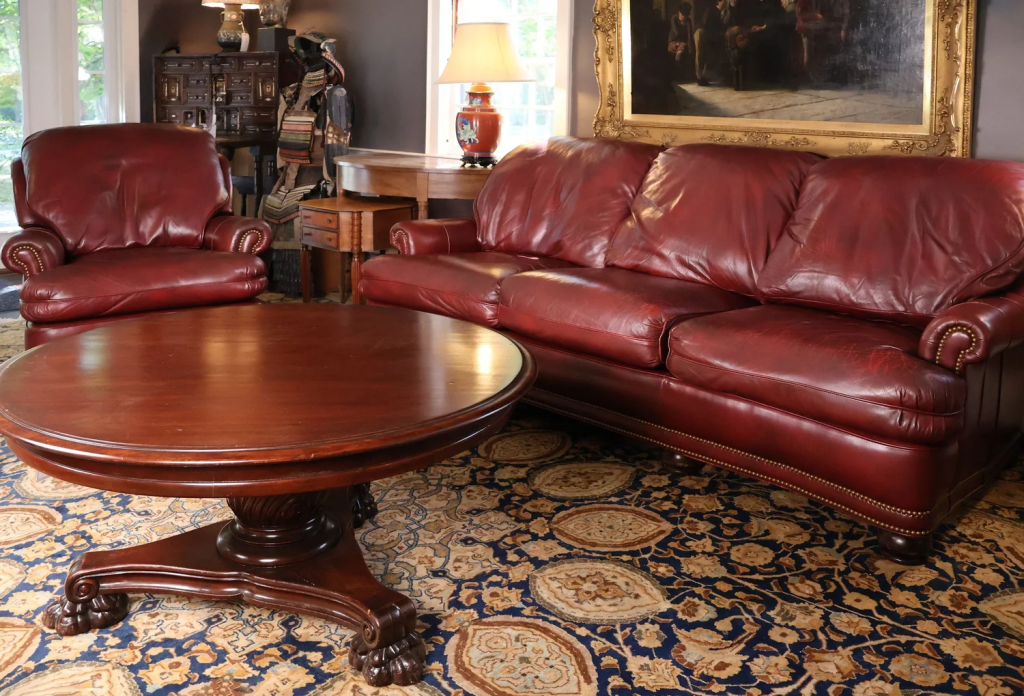
Hancock & Moore is one of the best-known names in traditional American leather furniture. Its pieces are made in North Carolina, and the company continues to use eight-way hand-tied coil suspension, a more labor-intensive system generally found at the higher end of upholstered furniture.
It also offers a large selection of leather, including protected and unprotected hides with varying levels of natural grain, color variation, and patina.
The brand is a good fit for someone who wants a traditional sofa, recliner, or sectional and expects to keep it for many years. Its Your Way program also provides more flexibility than a typical ready-made collection, allowing buyers to combine different frame sizes, seat depths, arms, backs, and bases.
It is not fully bespoke, like a sofa built from scratch, but it offers enough choice to address many common size and comfort issues.
One thing to keep in mind before ordering is that natural leather will not remain perfectly smooth and tight. Depending on the hide, it may show scars, grain variation, wrinkles, stretching, and color changes as it is used.
Those characteristics are not necessarily defects, but buyers who want a consistently uniform surface should ask for more protected leather rather than choosing solely based on softness in the showroom.
Hancock & Moore is best for buyers who want traditional styling, established American construction methods, and enough leather and configuration options to create a sofa they can keep for the long term.
Pricing and production times vary by dealer, hide, and configuration, so it is worth requesting a complete written specification before placing the order.
3. American Leather
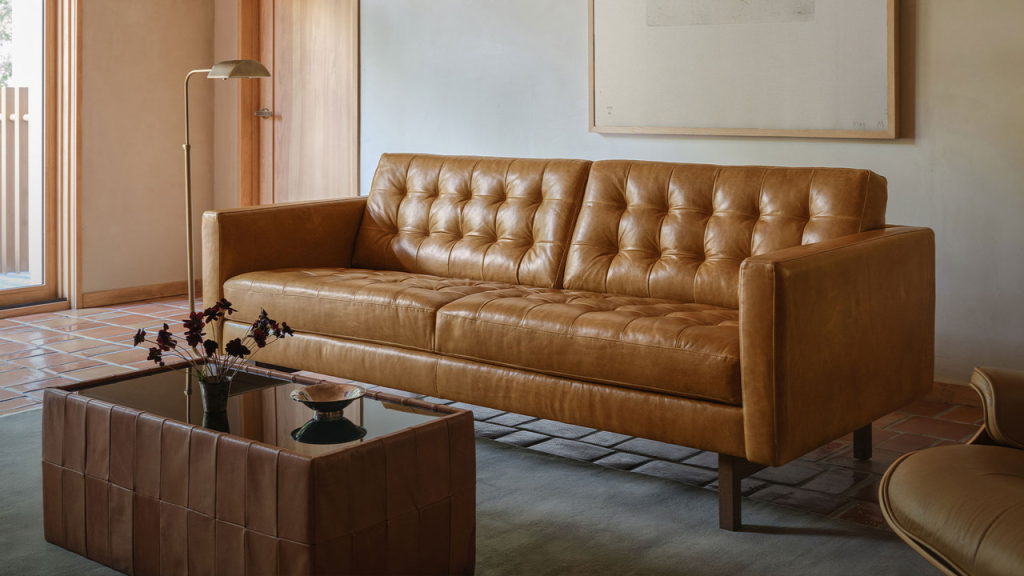
American Leather makes its furniture to order at its Dallas, Texas, facility. Although the company is best known for the Comfort Sleeper, it also offers stationary sofas, sectionals, recliners, and other seating in a range of leather and fabric options. Its designs generally lean more contemporary than those of traditional heritage furniture brands.
The Comfort Sleeper is the main reason many buyers consider the brand. It uses a platform-style opening system rather than the thin mattress and metal bar found in many conventional sleeper sofas. The collection is offered in multiple styles, sizes, and mattress options, and some models require no clearance between the sofa and the wall when opened.
American Leather also provides stronger warranty coverage than many mid-market sofa brands. Its general warranty includes limited lifetime coverage for the frame and suspension, with five-year coverage for other defects in materials and workmanship.
The premium Comfort Sleeper mechanism carries a 10-year warranty, although the warranty period differs across the company’s other sleeper systems.
The customization still takes place within an established range of frames, mechanisms, sizes, and finishes rather than through completely original construction. That makes the process faster and more predictable, but it may not solve highly specific dimensional requirements.
American Leather is best for someone who needs a sleeper sofa for regular use, wants contemporary styling, and prefers furniture made to order in the United States without moving into a fully bespoke program.
4. Roche Bobois
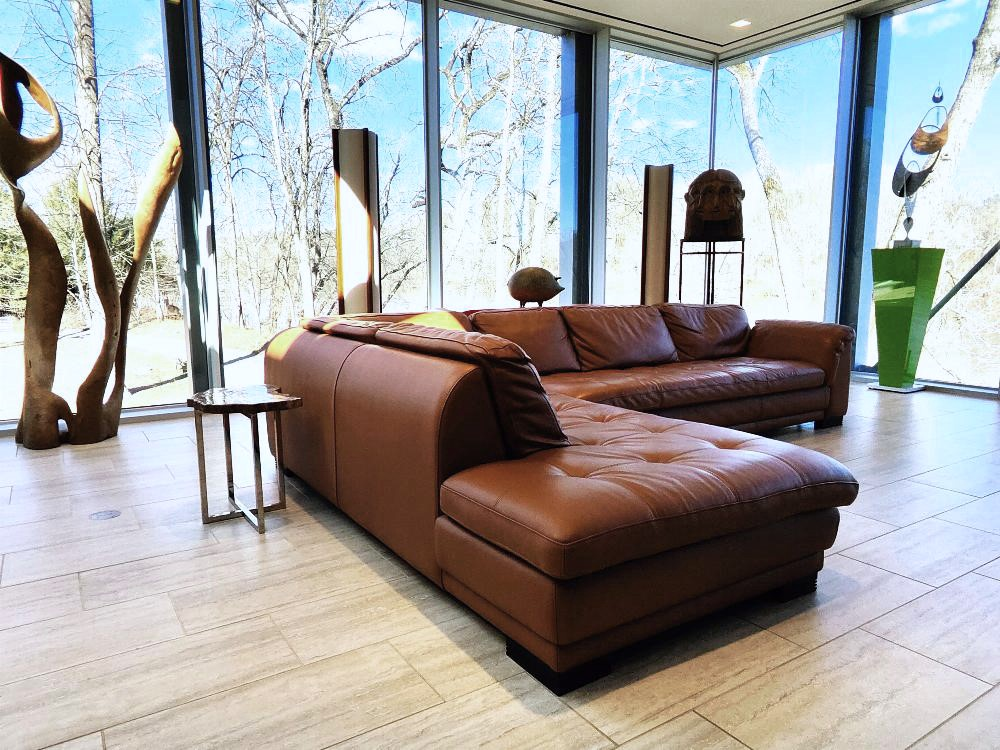
Roche Bobois sits at the designer end of the sofa market. The brand works with established designers and is known for pieces with a clear visual identity rather than variations on a standard three-seat frame.
The Mah Jong is the most recognizable example. Designed by Hans Hopfer, it uses low, floor-level cushions that can be rearranged into different seating configurations. The cushions are hand-stitched and have also been released in upholstery collections developed with fashion and textile designers.
The main reason to buy from Roche Bobois is therefore the design itself. A Mah Jong, Bubble, or another recognizable Roche Bobois piece has a particular shape and design history that is difficult to separate from the brand.
Many models also offer a wide range of dimensions, finishes, and configurations, although this is customization within the original design rather than a completely new sofa.
That design identity comes at a considerable price. Current US listings show many standard sofas in roughly the $8,000 to $17,000 range, with larger modular compositions potentially costing much more. Leather choice, configuration, delivery, and local showroom pricing can all affect the final amount.
Roche Bobois is best for someone who sees the sofa as an important design piece and specifically wants one of the brand’s silhouettes. It is less suited to a buyer whose main goal is to obtain the greatest amount of traditional construction for the lowest possible price.
5. Natuzzi Italia
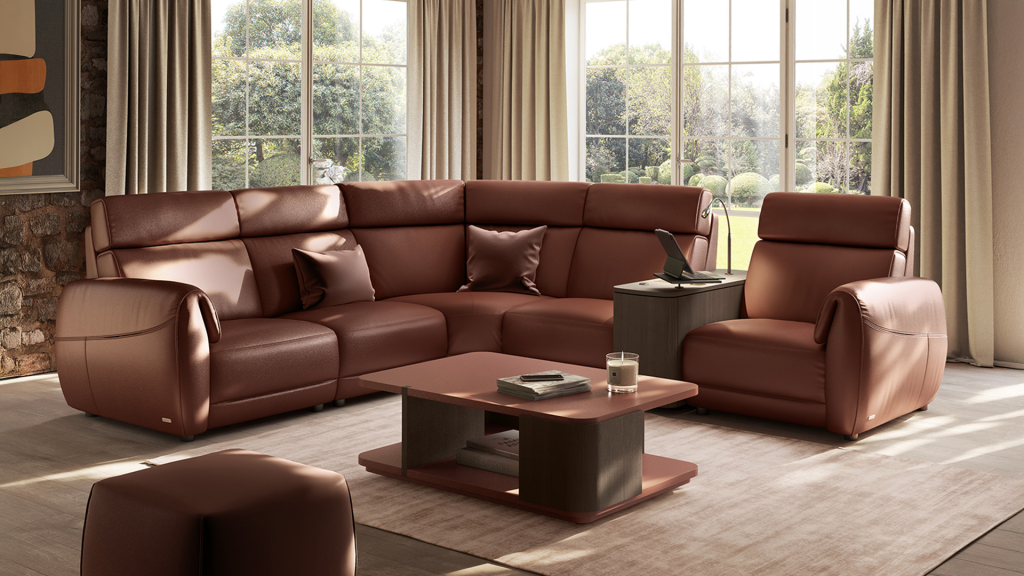
Natuzzi is closely associated with Italian leather furniture, but buyers should note that Natuzzi Italia and Natuzzi Editions are separate collections.
Natuzzi Italia is positioned as the company’s premium design line, with a stronger focus on Italian design, modular configurations, motion features, and a wide choice of coverings.
Natuzzi Editions is a separate collection aimed at a broader part of the market. Because both names appear at furniture dealers, it is easy to compare two products as though they belong to the same range when they do not.
The company also divides its leather into different finish categories. Its Natural leathers are intended to preserve more of the hide’s natural appearance, while Protecta leathers use additional surface protection for greater practicality.
A protected finish may be the better choice for a frequently used family room, while a more natural hide will generally show more variation and develop more visible character over time.
Many current Natuzzi models include modular pieces, adjustable headrests, power motion, or zero-wall reclining systems. These features make the brand worth considering for someone who wants a contemporary leather sofa with more built-in functionality than a traditional stationary design.
Before comparing prices, confirm whether the sofa is from Natuzzi Italia or Natuzzi Editions, which leather category is used, and whether the same material covers the entire sofa. Natuzzi is best for buyers who want contemporary Italian styling and a choice between more natural leather and finishes designed for easier everyday use.
6. Ekornes Stressless
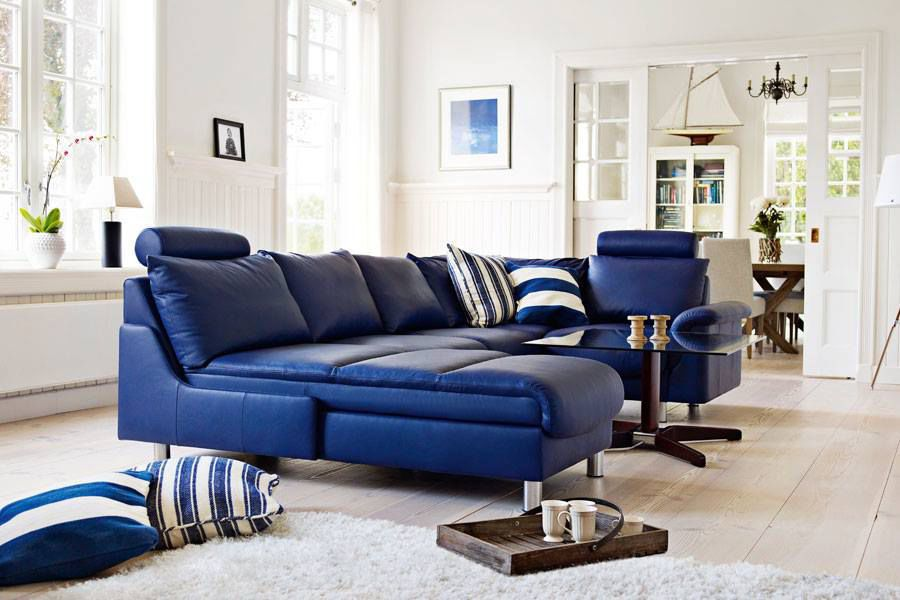
Stressless is best known for reclining furniture rather than traditional upholstered sofas. Its chairs and sofas are designed around systems that move with the body, including the Plus and Glide mechanisms, and many models include adjustable head and neck support.
The main strength of the brand is its combination of reclining comfort and mechanical construction. Stressless currently provides a 10-year guarantee on the internal mechanisms and frames of its recliners and sofas. In the United States, the base, foam, power motors, and related mechanisms receive five-year coverage, while the leather or fabric upholstery receives one year.
The ten-year warranty applies mainly to the internal parts, while the visible leather surface has much shorter coverage. Stressless also considers some settlement and indentation in the padding to be part of the normal break-in process rather than a defect.
The design is distinctive and will not suit every room. Stressless sofas tend to look more mechanical and upright than a loose-cushion leather sofa, and buyers who mainly want a traditional or low-profile silhouette may prefer another brand.
Stressless is best for someone who prioritizes reclining comfort, head and neck support, and reliable moving components. Buyers should still select the leather carefully and understand that the upholstery warranty is much shorter than the mechanism guarantee.
7. Maiden Home
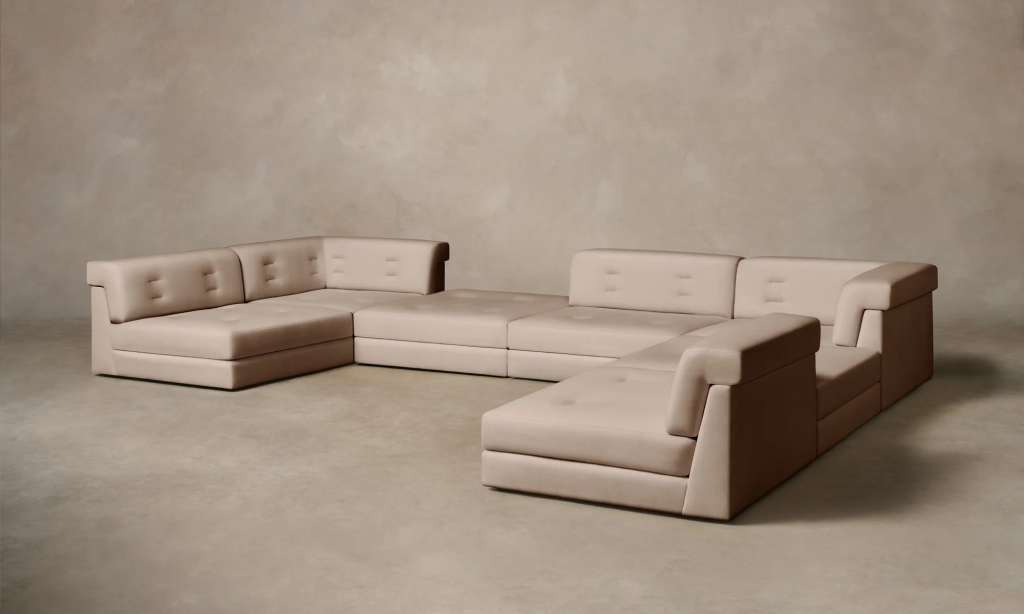
Maiden Home offers more choice than many direct-to-consumer furniture brands. Its leather sofas are available in several sizes, depths, configurations, and leather types, and many pieces are handcrafted in North Carolina.
The Varick shows the type of flexibility the brand offers. It is available in widths from 75 to 120 inches and in both a 40-inch classic depth and a 44-inch extended depth. The seat height remains relatively low at 17 inches, so the deeper version will work better for lounging than for someone who wants a more upright seat.
The company now has flagships in New York and Miami, but many customers will be ordering without first sitting on the exact sofa. Swatches can show the color and surface of the leather, but they cannot tell you whether the depth, back angle, or cushion feel will suit your body.
The brand works well for buyers who want more control over the size, leather, and configuration than most online brands provide but do not need every measurement changed. It is especially important to compare the actual seat depth and height, rather than looking only at the sofa’s overall dimensions.
Maiden Home is best for someone who wants modern styling and near-custom choice with a simpler ordering process than a fully bespoke sofa. Buyers with very specific height, depth, or firmness requirements may still find the available combinations limiting.
8. Room & Board
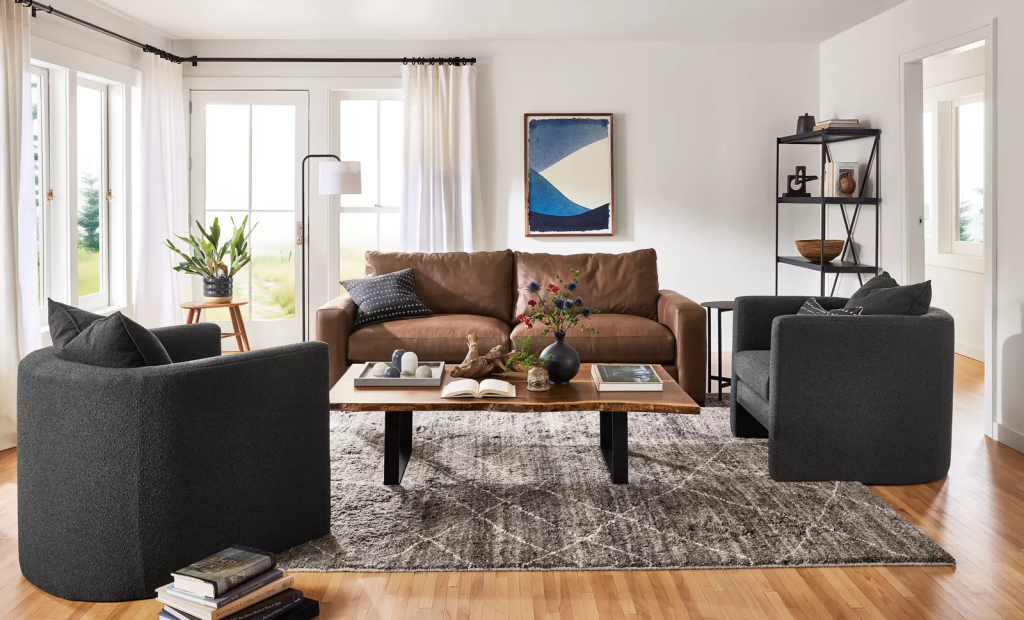
Room & Board belongs on this list largely because of how clearly it publishes its sofa specifications. Their product pages specify the frame construction, suspension, cushion fill, cushion style, seat height, seat depth, and manufacturing location rather than relying solely on terms such as “premium” or “luxury.”
That makes it easier to understand that construction differs between models. The Metro, for example, uses a bench-made hardwood frame with dual-flexolator suspension and loose blend-down seat cushions. The Robin and Stevens use hardwood frames with sinuous coil suspension, while the Pierson uses webbing beneath its down-blend cushions.
This variation is not necessarily a problem. It means buyers can choose between softer lounge seating, firmer upright seating, and different levels of maintenance. A down-blend cushion will feel softer and require more reshaping, while wrapped foam will usually retain a neater appearance.
The important point is to review the specifications for the individual sofa rather than treating every Room & Board model as though it is built in exactly the same way. The company’s comfort guide also lets buyers compare sofas by cushion feel, depth, and height, which is useful when shopping across a large catalog.
Room & Board is best for buyers who want to compare construction and comfort using published information, prefer modern or transitional styling, and would rather buy from an established retailer than order from a small custom workshop.
9. Flexsteel
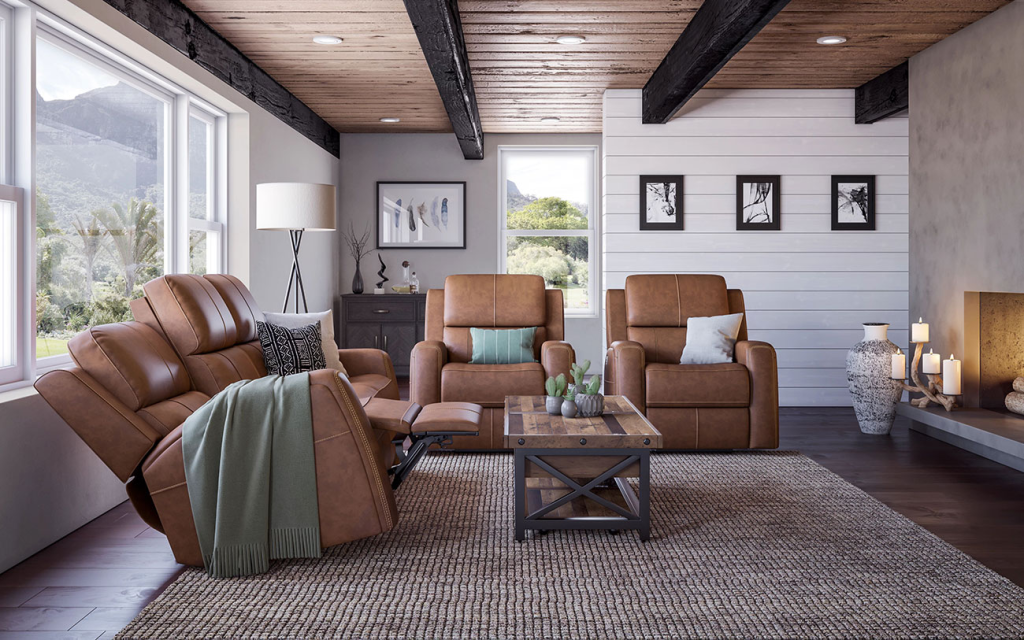
Flexsteel offers a practical middle ground between entry-level furniture and high-priced heritage brands. Its defining feature is the Blue Steel Spring, a steel ribbon suspension system used by the company in various forms for more than a century and guaranteed for the lifetime of the product.
The system is designed to provide seat support without the retying associated with traditional hand-tied springs. Flexsteel uses it across many stationary and reclining models, although the exact spring design and surrounding construction can vary by collection.
The company generally uses semi-aniline and pigmented leathers rather than focusing only on delicate, minimally protected hides. That makes many of its leather options practical for everyday rooms, since a pigmented or protected surface will usually resist stains and color changes better than an unprotected aniline leather.
The warranty should still be read on a component-by-component basis. Flexsteel provides lifetime limited coverage for certain springs and reclining mechanisms, but normal leather stretching, patina, scratches, natural markings, and cushion softening are excluded. Its warranty information also notes that seat foam may lose up to an inch of height during the first year under normal use.
Flexsteel is best for someone who wants supportive, serviceable furniture at a more accessible price than many premium leather brands. It is a strong practical option, although buyers should not assume that every model uses the same leather, cushion fill, or frame construction simply because it carries the Flexsteel name.
10. Article Sven
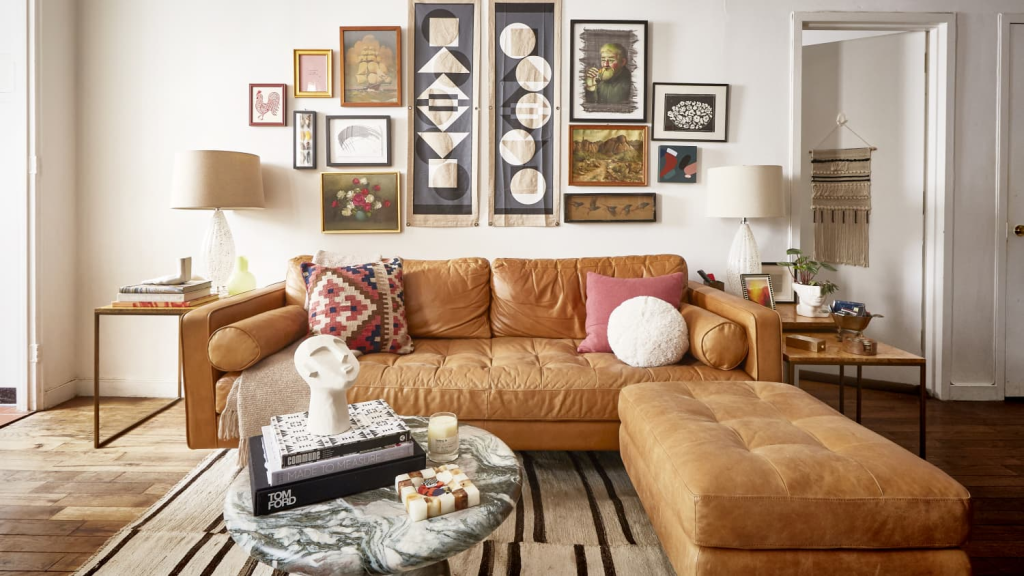
The Article Sven is one of the most recognizable leather sofas in the online furniture market. It combines a mid-century profile, a tufted bench seat, bolster pillows, and full-aniline Charme leather at a price well below that of most heritage and designer brands.
The current 88-inch Charme leather sofa is listed at around $1,699, though colors and promotions may affect the price.
The leather is a major part of the appeal. Full-aniline leather has a natural surface and will develop creases, scratches, color changes, and patina rather than maintaining a completely uniform appearance. That works well for someone who wants a relaxed, lived-in sofa but may disappoint a buyer expecting the leather to remain pristine.
The main compromise is the cushion design. The Sven uses one large tufted bench seat rather than separate reversible seat cushions. This gives it a clean appearance, but it also concentrates wear in the same areas and provides fewer options for rotating the cushions to distribute use.
Long-term reports are mixed. Some owners describe the frame and leather holding up for years, even after adding fill to the back cushions, while others report that the cushions lost their shape sooner than expected. A long-term editorial test of the sectional found only moderate creasing after a year, which suggests that use, household size, and maintenance can have a significant effect on the result.
Article provides a one-year manufacturer’s warranty, which is considerably shorter than the structural coverage offered by most premium brands on this list.
The Sven is best for someone who wants the appearance and patina of full-aniline leather at a mid-market price and accepts that the cushion system may not be as serviceable or long-lasting as the leather itself.
It is a reasonable value when purchased with those expectations in mind, but it should not be evaluated as though it were built to the same standard as a sofa costing several times as much.
Things to Consider When Buying a Leather Sofa
In our experience, the brand name is only one part of choosing a leather sofa. It is equally important to consider the type of leather, the frame beneath it, the cushion construction, and whether the sofa can be repaired later, as these factors usually indicate how long it will last.
A well-known brand can still offer different levels of quality across its collection. One model may use top-grain leather and a hardwood frame, while another may use lower-grade leather on a less substantial frame.
It is therefore important to look at the specifications of the individual sofa rather than rely only on its name.
Learn the Leather Grades Before You Shop
Leather descriptions can sound similar even when the materials are very different.
Full-grain leather retains the complete outer surface of the hide, including its natural grain, scars, and markings. It is generally the strongest grade and can develop more character and patina as it ages.
Top-grain leather also comes from the outer portion of the hide, but the surface has been sanded or corrected to create a more consistent appearance. It remains a good-quality option and may be easier for some households to maintain, depending on the finish applied to it.
Split leather comes from the lower layers of the hide after the top portion has been removed. It is usually less durable and may be coated or embossed to resemble higher-grade leather.
Bonded leather is made by combining leather fibers or scraps with a backing and surface coating. It can look convincing when new, but the coated surface is more likely to crack or peel as it ages.
The term “genuine leather” is particularly unhelpful because it implies that some leather is present without clearly identifying the grade. It should not be treated as another name for full-grain or top-grain leather.
You should also ask where each material is used on the sofa. Some products use top-grain leather on the seats and inside arms, but place split leather or vinyl on the sides, back, and outside arms. That may be acceptable at a certain price, but it should be clearly explained before you order.
Match the Leather Finish to Your Household
The grade tells you which part of the hide is being used, while the finish affects how the leather feels, looks, and handles daily use.
Aniline leather is dyed with little or no protective surface coating. It usually feels soft and natural, developing a visible patina over time. It also absorbs spills more readily and will show scratches, sun exposure, and color changes.
Semi-aniline leather has a light protective finish. It keeps much of the natural appearance of aniline leather while adding some resistance to stains and everyday wear.
Pigmented or protected leather has a stronger surface coating that creates a more uniform color and provides greater resistance to spills, fading, and minor marks. It may not feel as natural as aniline leather, but it is often the more practical choice for a busy household.
In our experience, customers sometimes choose the softest or most natural-looking hide without first considering where the sofa will be used. A formal sitting room that receives little sunlight has very different requirements from a family room used every day by children and pets.
For a busy home, we may recommend a protected or semi-aniline leather. For a quieter room where the customer wants the sofa to develop visible character, aniline leather may be the better fit.
No leather is completely scratch-proof. Cats, dogs, belts, keys, and other sharp objects can mark any hide. Direct sunlight can also fade leather, while very dry indoor air can cause it to lose moisture over time.
The right finish and occasional conditioning can reduce these issues, but they cannot remove them entirely.
Check the Frame and Suspension
The leather is the part you see, but the frame and suspension determine whether the sofa remains stable and supportive.
Kiln-dried hardwood is generally preferred because removing excess moisture helps reduce the risk of the wood warping or shrinking later. Corner blocks, dowels, and reinforced joints also help the frame withstand repeated use.
Lower-cost sofas may use plywood, engineered wood, particleboard, or a combination of materials. Not all engineered materials are automatically poor, but the seller should be able to explain what the frame is made from and how the joints are constructed.
The suspension sits beneath the cushions and supports the weight of the people using the sofa.
Eight-way hand-tied springs are traditionally used in higher-end upholstered furniture. They create an interconnected support system and can provide even weight distribution when properly constructed.
Sinuous or no-sag springs are common across the middle of the market. A well-made, sinuous spring system can provide good support, though the steel gauge and how the springs are attached matter.
Webbing is also used in many sofas, particularly lower-profile and modern designs. Its performance depends on the quality, spacing, and tension of the webbing rather than the word alone.
When comparing sofas, ask about the frame material, joint construction, and suspension system. A product page that only says “solid construction” or “premium frame” doesn’t give you enough information.
Ask Whether the Cushions Can Be Replaced
Cushions often show wear before the frame or leather does. For that reason, it is worth finding out whether they can be removed, reversed, refilled, or replaced.
Separate seat cushions are generally easier to service than a cushion permanently attached to the frame. Reversible cushions can also be rotated to distribute wear more evenly, although this is not possible on every design.
A fixed bench cushion may create a cleaner appearance, but it gives you fewer options if one area begins to sag. Even excellent leather cannot prevent the sofa from feeling worn if the cushion beneath it has lost its shape.
The type and density of the fill also matter. High-resilience foam generally holds its shape longer than lower-density residential foam. Around 2.0 pounds per cubic foot is a useful durability benchmark, while 1.8 pounds per cubic foot is more common as a standard residential grade.
Down and down-blend cushions feel softer but require regular fluffing and reshaping. Spring-down cushions combine an internal coil unit with a softer outer wrap, creating a balance between support and softness.
At Adorn Croft, we use high-resilience foam at 2.81 pounds per cubic foot in applicable designs. We can also adjust the firmness and cushion construction around how the customer prefers to sit.
Whatever brand you choose, ask what is inside the cushions and what your options will be if they need attention several years later.
Read the Warranty by Component
A long warranty does not necessarily mean every part of the sofa receives the same coverage.
Many brands advertise lifetime or ten-year warranties, but that coverage often applies only to the frame, springs, or reclining mechanism. The leather and fabric may be covered for a much shorter period, sometimes only one year.
Read the warranty separately for:
- The frame
- The suspension
- The cushion foam
- Reclining or sleeper mechanisms
- Electrical components
- Stitching
- Leather or other upholstery
You should also review the exclusions. Normal leather stretching, wrinkles, scratches, fading from sunlight, pet damage, humidity, and changes in cushion firmness may not be covered.
This does not automatically make the warranty poor. Natural leather will stretch and change with use. The important thing is knowing what the manufacturer considers normal and what it considers a defect before a problem occurs.
Measure the Room and the People Using the Sofa
Measure more than the wall where the sofa will sit. Check the entrance, doorway, hallway, stairwell, elevator, and any tight turns the delivery team will need to navigate.
For modular sofas, confirm whether the individual sections will fit through the route. A large sectional may fit comfortably in the room once assembled, but still be impossible to bring through the doorway as a single piece.
The dimensions of the people using the sofa matter just as much as the dimensions of the room.
A seat height between 17 and 19 inches works for many adults, but taller people may prefer a higher seat. Shorter people may need less depth to sit against the back cushion while keeping their feet on the floor.
Seat depths beyond approximately 24 inches are usually intended for lounging. They can be comfortable for taller users or someone who likes to curl up, but they may feel too deep for upright sitting.
We often hear from customers who like everything about a sofa except the way it feels once they sit back. In many cases, the issue is not the cushion itself. The seat is simply too deep, too low, or angled in a way that does not suit them.
Measure a chair or sofa you already find comfortable and compare its seat height, usable depth, back height, and arm position with the product you are considering.
Compare the Cost Over the Life of the Sofa
The lowest purchase price does not always produce the lowest long-term cost.
A top-grain or full-grain leather sofa on a well-made frame with serviceable cushions may last for many years. A bonded or heavily coated sofa with cushions that cannot be replaced may need to be discarded much sooner.
For example, a $6,000 sofa kept for 20 years costs about $300 per year. A $1,500 sofa replaced every four years costs $375 per year over the same period.
This does not mean everyone should buy the most expensive sofa available. A lower-priced sofa may make more sense for a rental, temporary home, or room that is rarely used. The point is to compare the expected usable life with the price rather than looking at the sticker price alone.
Need Help Designing a Custom Leather Sofa?
A ready-made sofa works well when its size, comfort, leather, and construction already suit your needs. When those details do not line up, a custom sofa may make more sense than compromising on a piece you plan to keep for many years.
At Adorn Croft, we can help you choose the hide grade, finish, firmness, dimensions, and configuration around the room and the people who will use it. That may mean a Bubble sofa in a protected leather for a busy family room, a Togo-style sofa in aniline leather for a quiet reading area, or a modular Mah Jong layout designed for a space that may change over time.
You do not need to have every detail figured out before contacting us. You can bring room measurements, photos of the space, an inspiration image, or simply explain what has not worked with the sofas you have tried.
From there, we can help narrow down the size, shape, leather, cushion construction, and overall design before anything goes into production.
Book a free design consultation to begin planning your custom leather sofa.
Not sure how to bring your dream sofa to life?
We help turn your ideas into a sofa you can see and feel confident about.
Book a Free Design CallAuthor bio

Beautiful homes start with great ideas.
Get curated ideas on materials, finishes, and styles for your home