If you are shopping for a custom sofa, finding one with transparent pricing is harder than it should be.
Most brands hide their numbers behind quote requests or show ranges so wide they’re meaningless. Semi-custom sofas can run $1,000 to $4,000, while true custom builds often sit between $12,000 to $19,000. Fully bespoke silhouettes from brands like Edra or Ligne Roset often reach $20,000 to $45,000+.
With two sofas looking nearly identical yet having wildly different price tags, you’re left guessing which one is a good deal or a red flag.
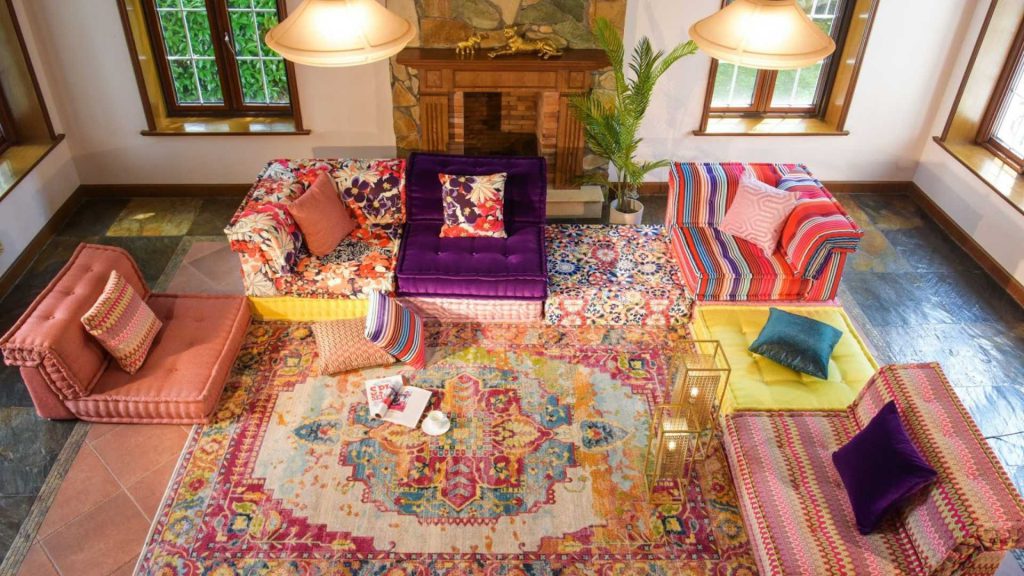
The confusion exists because custom furniture pricing depends on several factors that most manufacturers never openly share. The type of wood in the frame, the density of the foam, the suspension system, and the fabric grade all affect the final cost.
At Adorn Croft, our pricing is more straightforward. Most custom sofas we manufacture range from $3,000 to $8,000. A minimalist 3-seaters start around $3,500, deep-seat sectionals and modular sofas run $5,800 to $8,000, and sculptural or European-style designs can reach $10,000+.
In this guide, we explain what goes into custom sofa pricing so you can make an informed decision and invest in a piece that lasts, fits your space, and matches your style
Factors That Affect the Cost of a Custom Sofa
The price of a bespoke sofa varies based on its materials, suspension, cushion build, and design complexity.
To understand why they vary so much in price, let’s look at what goes into building one.
1. Frame Materials
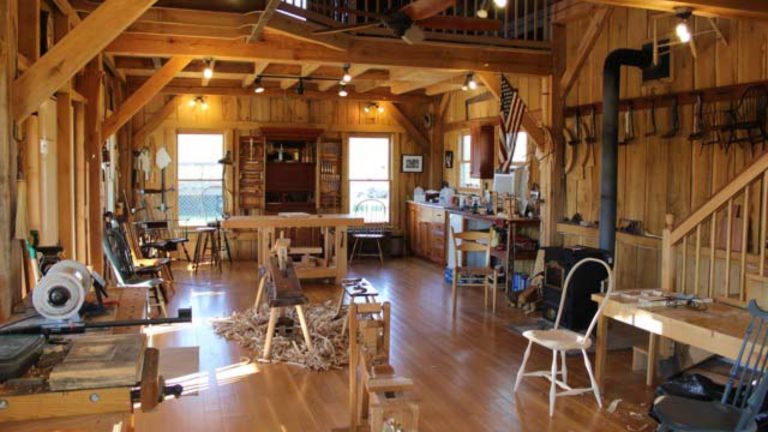
The frame is the foundation of any custom sofa. It shapes how long the piece lasts and how stable it feels over time.
Most high-quality sofas use hardwood or kiln-dried hardwood. These woods stay straight, resist warping, and support daily use without loosening or creaking.
Lower-cost frames in the wider market often rely on pine, medium-density fiberboard (MDF), or plywood blends. These materials are lighter and more affordable, but they tend to flex, squeak, and age faster.
In higher-quality custom sofa builds, the strength of the frame also depends on the joinery. Techniques like corner blocking, double dowels, and mortise and tenon connections keep the structure grounded and prevent movement over time.
This is the same construction philosophy we follow at Adorn Croft. We build our frames with imported hardwoods such as maple, ash, beech, and birch, reinforced with strong joinery in all load-bearing areas. These builds can last 15 to 25 years, while pine or plywood frames tend to wear down within 3 to 7 years.
Outdoor sofas require a different approach, so we use stainless steel framing to prevent moisture absorption and protect the structure in all weather conditions.
2. Suspension System
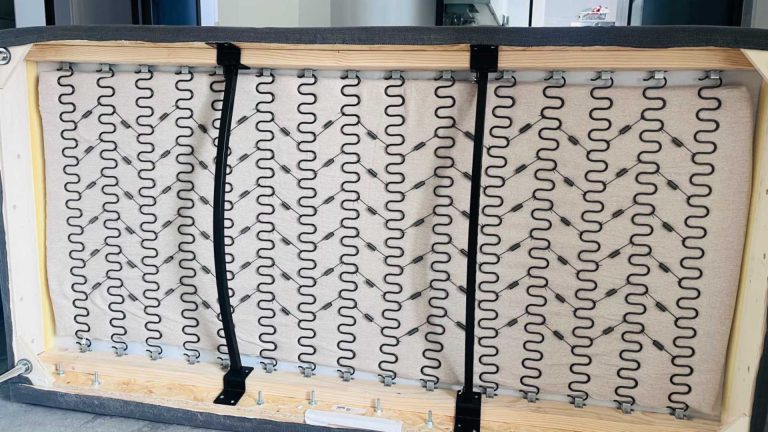
The suspension is the hidden structure beneath the cushions of your seating. It carries your body weight, absorbs pressure, and determines whether a sofa feels supportive and soft.
Most people simply want a sofa that feels good every day and stays that way for years. The suspension is what makes that possible.
When it’s well built, you feel smooth, even support. When it’s not, you feel sagging or that hollow bounce that appears after only a short period of use.
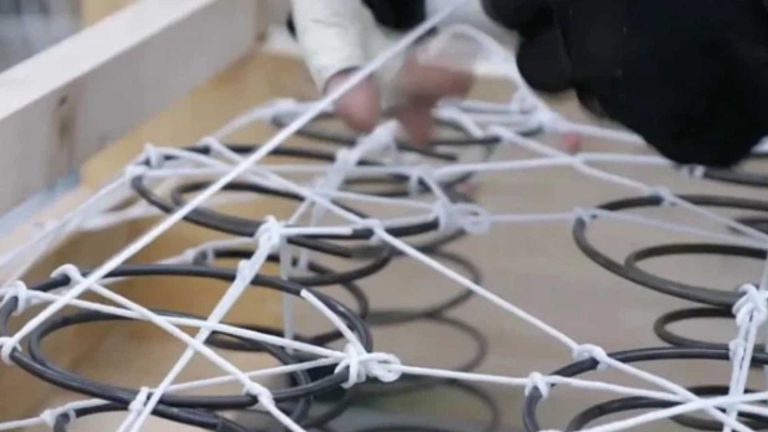
Most sofas use one of these suspension systems:
- Eight-way hand-tied springs: A traditional, hand-built system known for a deep, even bounce.
- Sinuous springs: S-shaped metal springs offering strong support that work well in modern couch silhouettes.
- High-quality elastic webbing: A supportive, elastic base for seating where bulkier spring systems would disrupt the shape.
- No-sag coil systems: Pre-assembled systems that maintain firmness and consistency across modular layouts
Each system feels different, and not all perform the same. For example, lower-grade elastic webbing, which is often used in cheaper retail sofas, can stretch too easily and lead to visible sagging within a few months. Lower tension sinuous springs may start to flex or squeak. Even no-sag coil units can feel uneven if the frame is not properly reinforced.
From the clients we’ve helped, we find that the best results come from pairing the suspension with the sofa’s intended silhouette.
European-inspired or modern sofas work well with premium webbing or strong sinuous springs because they preserve clean lines without adding bulk. Traditional sofas achieve their best feel with hand-tied springs, while modular layouts use no-sag coils or sinuous springs. Choosing the right system ensures the comfort feels natural to the design and stays consistent for years.
3. Cushion Construction
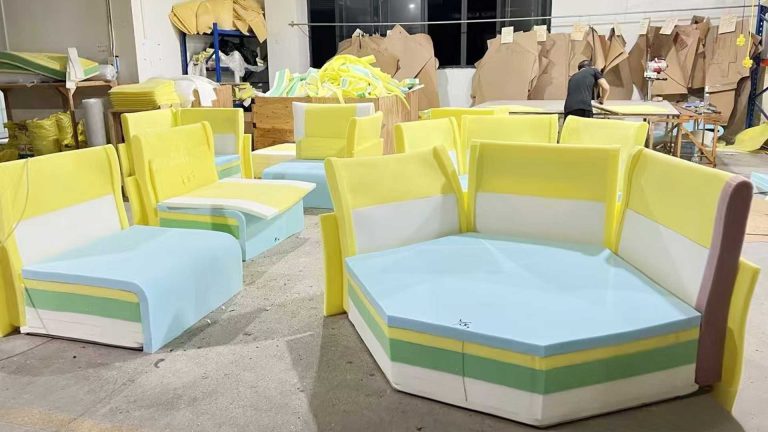
Cushions are the part of the sofa you feel the most. So it’s no surprise that its construction is a non-negotiable factor to consider.
Every cushion has two main components: the core and the surface comfort layer. The core provides structure. The comfort layer shapes the softness you feel before the support underneath takes over.
Although most cushion cores are made from foam, the key detail is in their density.
From the two common options, higher-density foam lasts longer and keeps its shape, whereas lower-density foam may feel soft at first but tends to break down quickly.
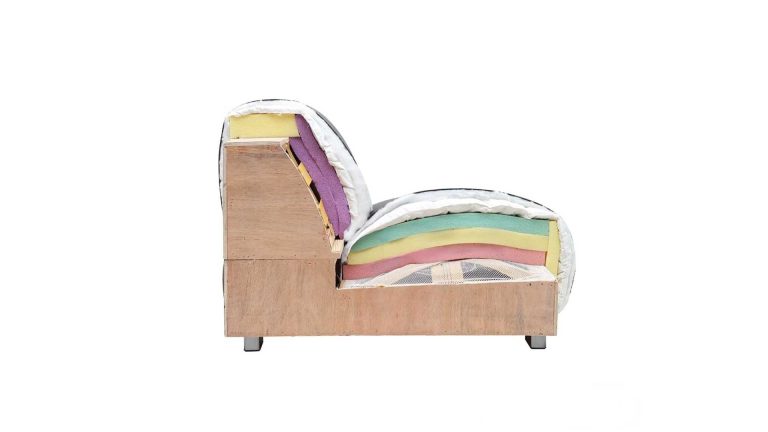
For reference, the industry’s gold standard for long-lasting cushions usually starts at 2.5 lb/ft³ and can reach 3.2 lb/ft³ for luxury sofas. However, many mass-produced sofas in the market use lighter foams around 1.5 to 1.8 lb/ft³, which are prone to compressing easily and creating that “collapsed” feeling in the center after a few years.
Comfort also depends on what surrounds the foam. By itself, foam feels more structured. However, down blend wraps can be added around the foam to create a soft, plush surface.
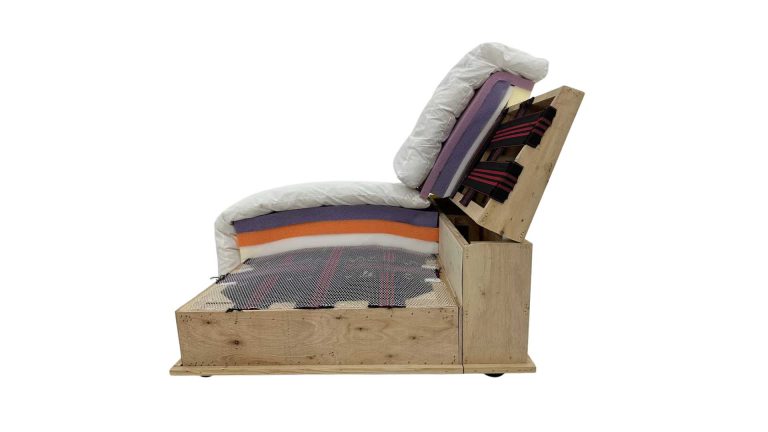
If you’re wondering which density or combination is truly best, that’s where personal experience comes in. Over time, we’ve seen that a single foam density rarely creates both comfort and longevity.
Instead, our custom sofas use a multi-layer build that combines different densities and materials for structure, comfort, and softness:
- A firm 2.8 lb/ft³ HR base foam for long-term support
- A medium 2.5 lb/ft³ top foam for everyday comfort
- An optional down-blend, Latex, or Trillium jacket for a soft, premium surface feel
- A Dacron fiber wrap and cotton layer to create a smooth, tailored finish
Several past customers shared with us that sofas built strictly to the standard range started to break down after about five years. For this reason, Adorn Croft goes above the usual gold standard with an upgraded 2.81 lb/ft³ high-resilience foam designed for a lifespan of roughly 15 years.
4. Upholstery Fabric
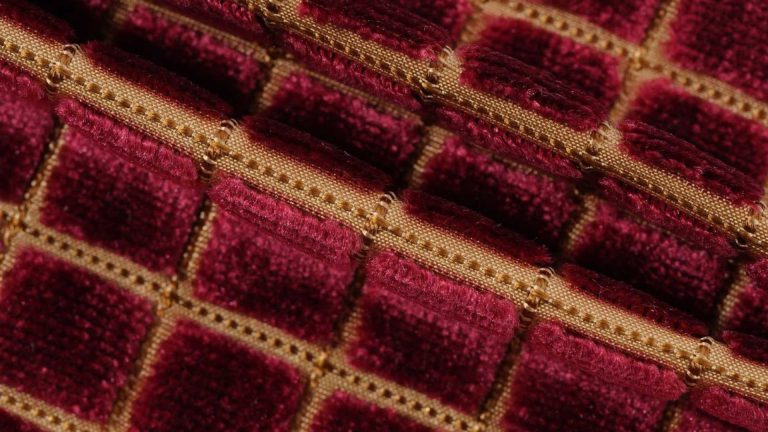
- Cotton-rich velvets: higher cost, richer texture, more luxurious handfeel
- Synthetic blends: more affordable, greater durability, easy maintenance
- Linen: breathable, relaxed texture, mid-to-high price depending on weave density
- Wool blends: warm, naturally pill-resistant, higher cost due to fiber quality
- Full-grain leather: the most premium option, strong tensile strength, develops a refined patina over time
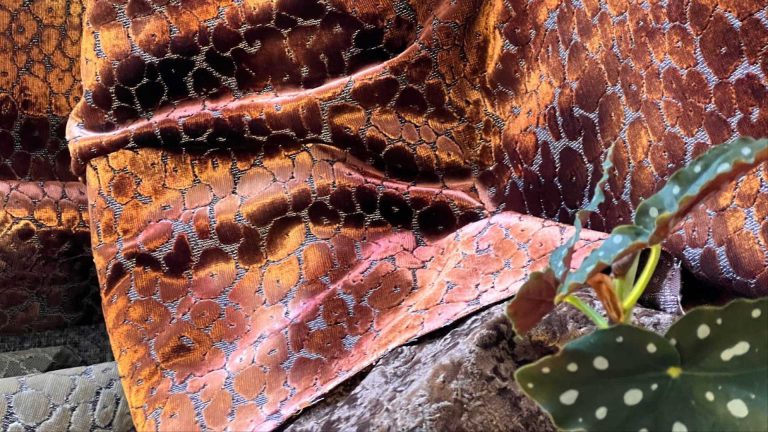
One detail people often overlook is how weave quality also influences cost. Tight, dense weaves resist snagging and stretching, while loose or thin weaves may look beautiful but age faster.
Performance fabrics vary widely too. Only some are engineered for 50,000 to 100,000 abrasion cycles, which is a measure of how many rubs a fabric can withstand before showing wear. Higher abrasion-cycle ratings generally mean better long-term durability and higher cost.
These details explain why two fabrics that look similar can be priced very differently. Most issues with pilling or fading that you may have experienced come down to the right mix of composition, weave, and abrasion resistance.
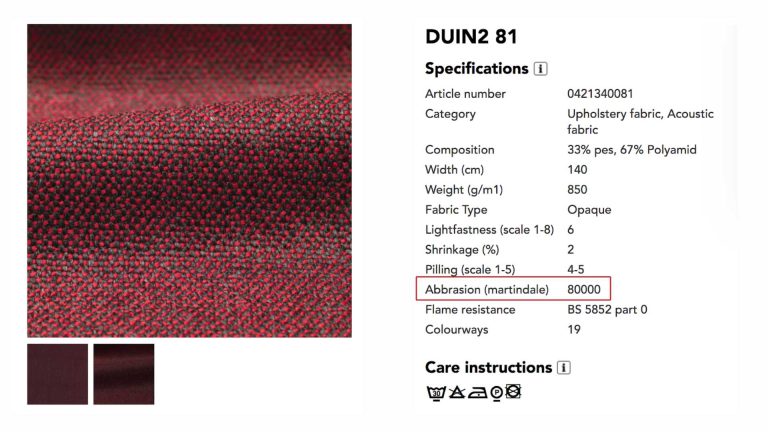
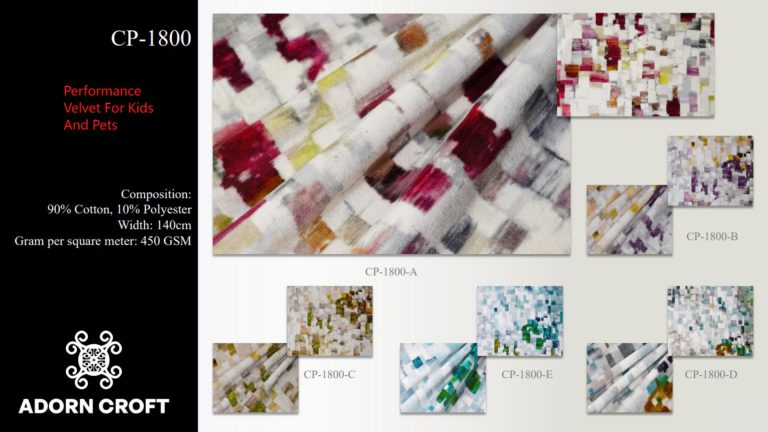
To avoid those problems, we often recommend premium performance velvets with higher cotton content. They cost nearly twice as much as standard velvets, but they stay smoother over time and maintain their polished appearance even with everyday use.
Other materials we use include:
- Eco-friendly linen: sustainably sourced, breathable, and visually refined
- Wool blends: naturally insulating and pill-resistant
- Performance weaves: great for family homes with 50k-100k Martindale abrasion cycles, offering durability at a mid-range cost
- Full-grain leather: most premium, develops a beautiful patina over time, has better tensile strength
We also keep a wide library of fabrics available because comfort looks different for every home. Between our in-house collection of over 3,000 materials and options for COM or designer fabrics requests, it becomes easier to find a textile that feels right and stands up to real life.
5. Design Complexity
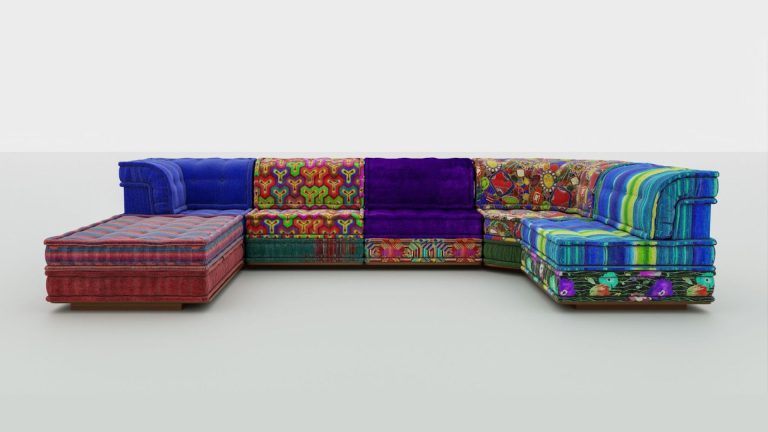
Design complexity is one of the hidden factors that most people often miss when creating a bespoke couch. It often has nothing to do with how the seating looks on the outside, but with the amount of work it takes to build the shape you want.
The biggest driver here is shape. Logically, curved, sculptural, or asymmetrical shapes require more time, patterning, and experienced craftsmanship.
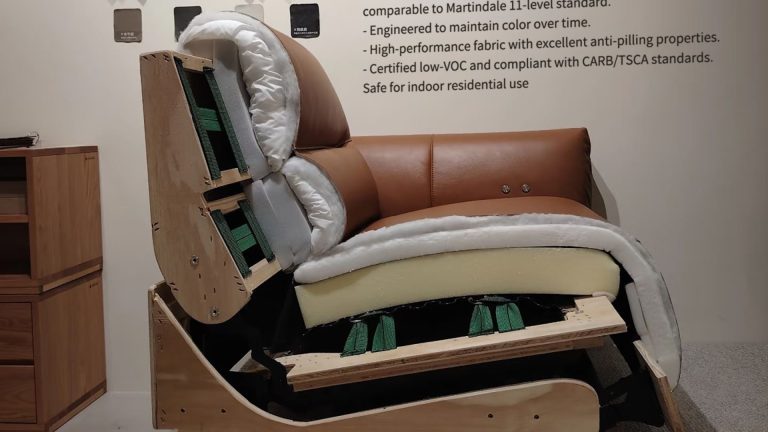
Another factor is internal structure because complex designs often need re-engineered frames or custom-shaped foam to achieve the exact silhouette. This adds material cost and hours of refinement that never show on the surface but dramatically affect the final feel and durability.
Mass-market brands usually avoid these complexities. They rely on standardized shapes and pre-set dimensions that can be produced at scale.
Of course, the trade-off here is limited freedom: you get fewer shapes, fewer silhouettes, and almost no room for unique detailing or proportions.
True custom work is the opposite.
When a sofa is designed from scratch, every curve, angle, and proportion is intentional. You have complete freedom to tailor a piece to awkward layouts or match exact dimensions. This is also where advanced production methods come in.
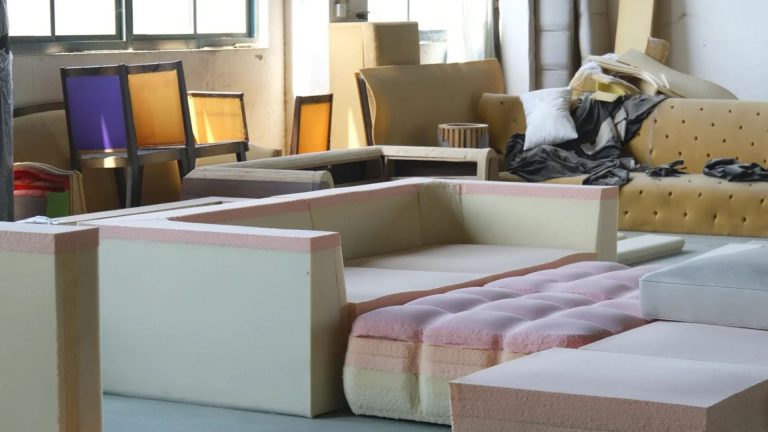
We often use tools like 3D digital modelling, resculpted foam, and complex patterning to achieve precise shapes that many brands cannot offer. These methods may increase costs, but they’re essential when you want a sofa that truly fits your space.
So if you are comparing options, it helps to ask one simple question: Is this a standard template or a true custom build?
6. Size and Configuration
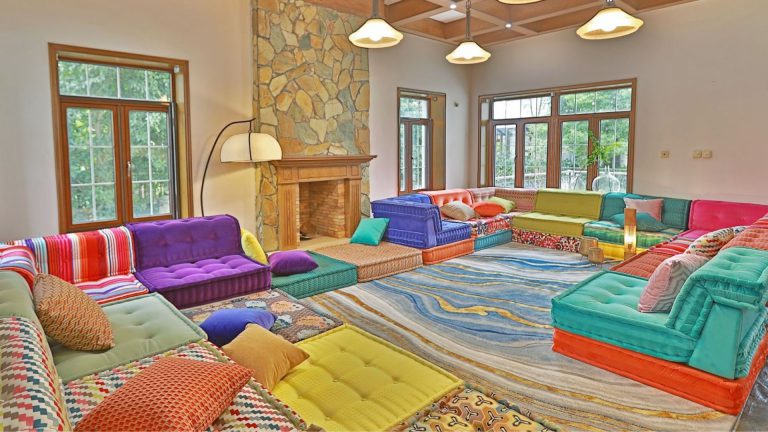
Size and configuration are some of the simplest factors that influence sofa pricing. Larger builds require more materials and more labor, so as a sofa becomes bigger or more complex, the cost increases in a predictable way.
A deep seat needs additional foam and fabric to maintain proper support. A longer sofa requires a reinforced frame so it stays stable over time. Even one extra cushion adds cutting, stitching, filling, and assembly work.
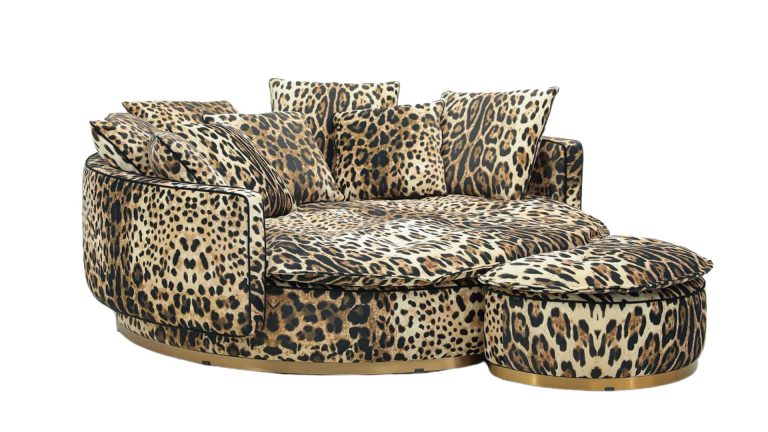
Sectionals and modular layouts add another layer of complexity. Each module is built as its own piece, with its own frame, suspension, and upholstery process. The final arrangement looks seamless in a living room, but the craftsmanship behind it is multiplied.
We also allow full customization of height, width, and depth. Although they naturally increase the amount of material and tailoring required during production, it’s these small changes that make a sofa feel more personal and more comfortable.
Since a custom sofa is a meaningful investment, we want you to feel confident in your choice. If possible, we always encourage clients to comfort test the sofa first so they know the proportions and depth feel just right for their home.
Cost of Different Types of Custom Sofas
As we’ve mentioned earlier, custom sofa pricing depends on the style you’re after, the materials involved, and how complex the build is. A simple silhouette with standard dimensions costs less than a curved design that requires precision shaping and hand-finished details.
To give you a realistic sense of what to budget, here are four common styles and what they typically cost at Adorn Croft. These ranges reflect the variation in size, fabric, and construction options available for each type.
Minimalist 3-Seater ($3,500 to $6,500)
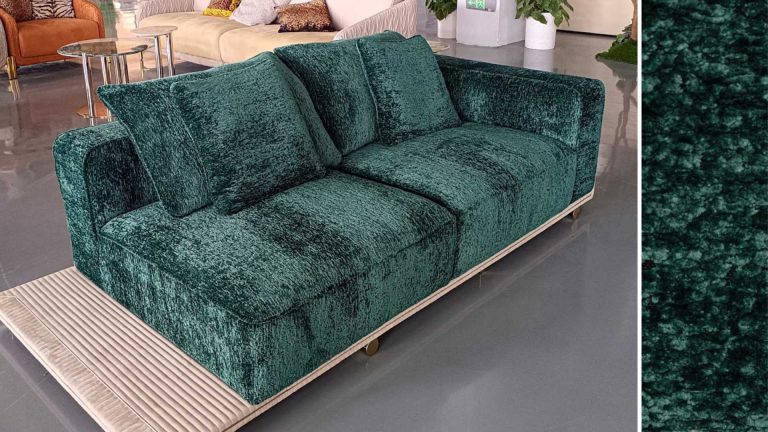
A minimalist 3-seater typically includes a hardwood frame, sinuous spring suspension, and performance fabric. This is the most accessible entry point for a custom sofa that holds up well over time.
The lower end of the range covers standard sizing with mid-grade performance fabric, while the higher end includes upgraded textiles, deeper seats, or slightly larger dimensions.
This style works well in apartments, smaller living rooms, or spaces where you want a clean look without a heavy visual footprint.
Deep-Seat Family Sofa ($6,500 to $10,000)
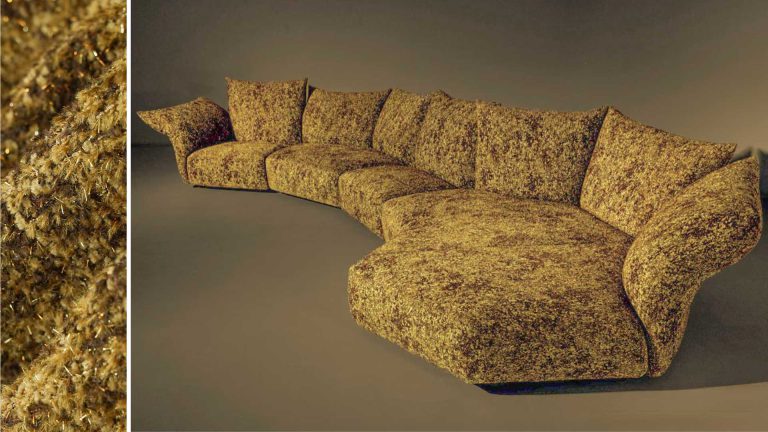
A deep-seat family sofa is built for comfort and daily use in busy households. These larger modular pieces typically feature 2.81 lb/ft³ high-resilience foam and premium performance textiles that resist stains, fading, and wear.
The price scales with the number of modules, the overall footprint, and the complexity of the configuration. If you need a sectional that fits a large living room and handles kids, pets, or regular guests, this is the range to expect.
These sofas prioritize durability and sink-in comfort over minimal aesthetics.
Sculpted or Curved Sofa ($8,000 to $18,000)
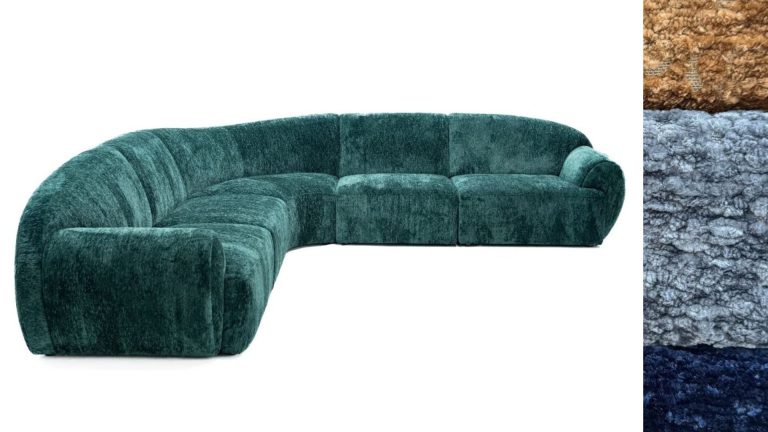
A sculpted or curved sofa costs more because of the labor and skill involved in building it. These pieces require precision-carved foam shaping, high-end velvet or linen, and hand-finished seams that take significantly more time to complete.
Curved frames also use more material and demand careful construction to maintain structural integrity over the years of use. These are typically centerpiece sofas for formal living rooms, open-concept spaces, or rooms where design is a priority.
The price range depends on the radius of the curve, the size of the piece, and the fabric selection.
Colorful Sofa ($3,000 to $12,000)
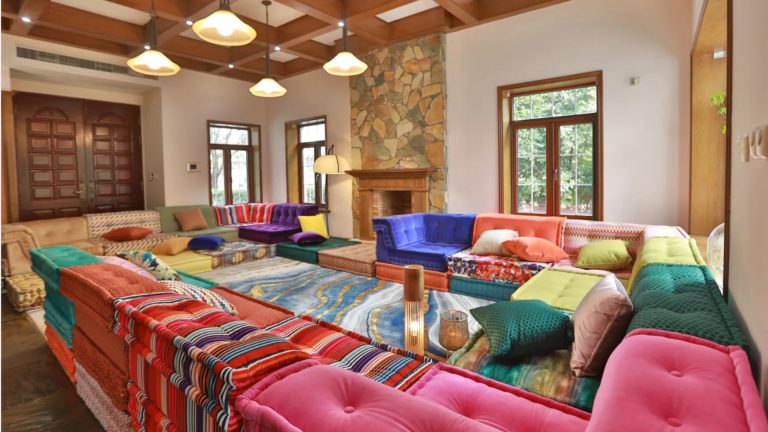
A colorful sofa has a wide price range because these pieces are highly customizable. A simple daybed with 7.5″ high-density foam and a straightforward solid wood frame starts at the lower end.
Hand-tufted versions with imported hardwood frames, bolster pillows, and premium upholstery sit at the higher end of the range. The final price depends on the level of detail, the fabric choice, and whether you add extras like button tufting or custom leg finishes.
These work well in bedrooms, reading nooks, or as sculptural accents in larger living spaces.
How to Choose the Right Custom Sofa for Your Budget
When budgeting for a custom sofa, start with the elements that matter most long term. The frame, suspension, and foam density have the most significant impact on durability, so prioritizing these gives you the best return on investment.
From there, consider how you’ll live with the piece. Fabric choice often makes the biggest visual difference, especially in homes with pets or kids, where performance textiles add real value. However, if you want to save, keeping the silhouette simple with straight lines and clean profiles can help you focus your budget on comfort instead of complexity.
Finally, consider how you use your sofa on a day-to-day basis. People who sit for long hours or prefer a softer feel often benefit from higher quality suspension, while those who want an easy maintenance piece may prefer protective covers or tougher weaves.
Balancing these priorities helps you choose a build that fits comfortably within your budget without giving up the essentials that make a custom sofa worth the investment.
What You Can Expect When Working With Adorn Croft
We aim to make custom luxury furniture feel straightforward. From the first conversation, you get clear guidance on fabrics, sizing, and comfort so you always know what you’re choosing and why it matters.
Here’s a quick look at what we provide:
- 2–6 week production timeline
- Worldwide delivery with full insurance
- Free swatch samples and optional sample module testing
- Custom CAD or inspiration-based designs
- High-density foam and hardwood construction built for longevity
- Five-year guarantee on frames and cushions
We remove the usual guesswork of uncertain timelines, limited options, and unclear construction so that creating a bespoke sofa feels easy, transparent, and tailored to you.
Key Takeaway
Understanding how much a custom sofa costs becomes much simpler once you know what actually shapes the price: the materials, the construction, and the design choices that bring the piece to life.
Ultimately, a custom sofa is an investment in comfort, longevity, and the way you want your home to feel. Understanding how materials, construction, design, and configuration influence pricing helps you make a choice that suits both your space and lifestyle.
At Adorn Croft, we build each sofa with long-lasting materials designed to stay comfortable and durable for at least 10-15 years. Whatever stage you’re at, the right sofa is the one that feels personal, intentional, and made for the way you live.